Focused arrival windows
Useful updates and clear arrival timing.
Appliance Leak Water Extraction Rocky Mount NC is what we do when a washer hose, dishwasher line, or fridge supply lets go. We pull standing water, dry the subfloor, and stop mold before it starts. Our crews run 24/7 across Rocky Mount, North Carolina, with truck-mounted extractors and IICRC-certified techs. Call and we roll.
Useful updates and clear arrival timing.
Review the approach and price before deciding.
Equipped vehicles and respectful cleanup.
Neighbors serving neighbors with follow-through.
Every appliance leak job is different, but the core scope is the same. Here is what is covered in a standard extraction and drying visit, and what we handle as an add-on if the damage runs deeper.
We shut off the water supply to the leaking appliance before anything else. If the supply valve is seized or broken, we can replace it on site under our NC Plumbing License oversight. Stopping the source is step one, always.
We walk the affected area with a thermal imaging camera and moisture meter to find hidden saturation behind cabinets, under flooring, and inside wall cavities. This takes 15 to 25 minutes and tells us exactly how far the water traveled.
Truck-mounted extractors handle large volumes, portable units get into tight spaces. We use weighted extraction tools on carpet and a floor drying mat system on hardwood. Submersible pumps handle any water that reached a basement or crawl space.
We apply antimicrobial solution to affected framing, subfloor, and wall cavities during extraction. This buys you time against mold while the drying equipment runs. It is standard on every appliance leak job we do.
Air movers and dehumidifiers are placed and sized to the cubic footage of the affected rooms. We set them, show you how they run, and check moisture readings daily until the structure hits dry standard per ANSI/IICRC S500.
We photograph moisture readings, log extraction volumes, and build a line-item scope in Xactimate. You get a copy, your adjuster gets a copy. That documentation is what keeps a claim moving instead of stalling.
Share what is happening and receive a clear next step from the local team.
Appliance Leak Water Extraction Rocky Mount NC is the process of removing water that escaped from a washer, dishwasher, refrigerator ice maker, water heater, or HVAC condensate line, then drying the structure so it does not rot or grow mold. We shut off the supply, extract standing water with a truck-mounted unit, and meter every wall and floor cavity. Most appliance leaks dump 10 to 50 gallons before anyone notices.
Rocky Mount homes see this constantly. Older Mill Village and Five Points houses still run original copper and rubber supply hoses that crack under pressure. Newer builds in Cobblestone and Stoneybrook hide ice maker lines behind cabinets where a slow drip soaks the toe kick for weeks. When you need appliance leak water removal Rocky Mount, we handle the extraction and the drying in one trip.
You call, we ask three questions: what appliance leaked, how long it ran, and what floor is wet. That tells us what equipment to load. We give you a price range on the phone and a tech is dispatched. Most Rocky Mount calls get a truck on site in 60 to 90 minutes.
First thing on site, we kill the water supply to the appliance and confirm the leak source. Then we walk the affected area with a thermal imaging camera and moisture meter to find hidden saturation behind cabinets, under flooring, and inside wall cavities. This takes 15 to 25 minutes.
We run a truck-mounted water extractor for large volumes and a portable unit for tight spaces like under a dishwasher or behind a fridge. Weighted extraction tools pull water from carpet padding. Submersible pumps handle any standing water in a basement or crawl space.
Air movers and dehumidifiers go in place, sized to the cubic footage of the affected rooms. We set a floor drying mat system on hardwood. Typical dry time is two to four days, and we check moisture readings daily until the structure hits dry standard per ANSI/IICRC S500.
When readings match dry standard, we pull equipment and walk the job with you. You get photos, moisture logs, and a written summary for your insurance claim. If any material needs replacement, we tell you what and why before we leave.
Pulls large volumes of standing water fast. This is the first tool on site for any appliance leak that has spread beyond a single room.
Gets into tight spaces a truck mount cannot reach, like under a dishwasher, behind a fridge, or inside a cabinet base.
Finds hidden moisture behind walls, under flooring, and inside cabinets without tearing anything open. We use it on every job.
Reads moisture content in framing, subfloor, and drywall. We log readings daily and use them to decide when drying is actually complete.
Dries the structure after extraction. We size them to the room and run them until moisture readings hit dry standard per ANSI/IICRC S500.
Pulls water from carpet and padding without damaging the fibers. Essential for laundry rooms and hallways with carpet.
Dries hardwood floors from the surface down without causing warping or cupping. We use it instead of aggressive heat when hardwood is affected.
The industry standard for water damage restoration. It defines how we classify the water, how we dry the structure, and when we can call the job complete. Every appliance leak job we run follows it.
We scan the affected area with an infrared camera before and after extraction. It shows us where water traveled that the eye cannot see, and it confirms when the structure is actually dry.
We take moisture meter and hygrometer readings every day and share them with you. Drying is done when the numbers say so, not when the calendar says day three.
We apply antimicrobial solution to affected framing, subfloor, and cavities during extraction. It is not a substitute for drying, but it buys time against mold while the equipment runs.
We build the scope in Xactimate, the format most major carriers use. That means fewer questions from your adjuster and a faster claim payout.

Call us before you touch anything. We shut off the supply, extract the standing water with a truck-mounted unit, and check the adjacent hallway and rooms for wicking. We also check the ceiling below if the laundry is on an upper floor. Water is out the same day, drying equipment is running, and you have a documented scope for insurance. Most laundry room jobs dry in two to three days.
We pull the fridge, find the ice maker line leak with thermal imaging, and extract the water from under the cabinet and subfloor. If the line is cracked, we can coordinate the repair with a licensed plumber. The soft spot is dried and stabilized, and you know whether the subfloor needs replacement or just drying. No guesswork.
We handle both floors in one visit. The kitchen gets extracted and dried, and the basement gets pumped out with submersible pumps, then dried with dehumidifiers. We check the basement framing for moisture before we leave. Both levels are dry, treated for mold, and documented. You avoid the separate call-out fee and the extra day of waiting.
We shut off the supply and extract the water. If the tank itself is failed, we coordinate replacement with a licensed plumber. If it is a fitting, we can often have it repaired the same day. Water is extracted, the source is fixed, and the area is dried. You are not left with a wet floor waiting on a plumber to show up.
Rocky Mount sits in Nash County, and the housing stock here splits into two camps that leak differently. Older homes in Mill Village and Five Points often still have original rubber supply hoses on washers and fridges. Those hoses crack under pressure and dump water fast. Newer builds in Cobblestone and Stoneybrook use braided lines, but they hide ice maker and dishwasher connections behind cabinets where a slow drip soaks the toe kick for weeks. We see both. Our trucks run out of the 27804 ZIP and reach most of 27801 and 27803 in 60 to 90 minutes. When you need emergency water removal from appliance leak Rocky Mount, we are already in the neighborhood. We know which streets flood first, which crawl spaces hold moisture, and what local adjusters want to see in a scope. That local knowledge is why we can dry a job in three days that another company might stretch to five.
Older bungalows with original plumbing. Washer hose failures are common, and crawl spaces underneath hold moisture longer than slab-on-grade homes.
Historic homes with hardwood floors throughout. Appliance leaks here need the floor drying mat system, not aggressive heat, to avoid warping.
Newer construction with ice maker lines run behind cabinets. Slow leaks soak the toe kick and subfloor before homeowners notice.
A mix of rentals and owner-occupied homes. We handle a lot of property manager calls here and provide Xactimate scopes for out-of-town owners.
Rocky Mount humidity slows structural drying. We run dehumidifiers longer and check moisture readings daily instead of every other day to make sure the job actually finishes.
Homes built before the 1990s often still have original hoses on washers and fridges. These fail without warning. We replace suspect hoses while we are on site if you want.
Many Rocky Mount homes sit over crawl spaces. Water from a main-floor appliance leak can drain down and soak the joists. We check the crawl space on every main-floor job.
Hardwood needs a gentler drying approach than carpet or tile. We use floor drying mats and meter daily to catch cupping early enough to save the floor.
A rubber washer hose burst at 2 a.m. and ran for four hours before the homeowner woke up. The laundry room, hallway, and two bedrooms had standing water. Carpet padding was saturated and the subfloor read 28 percent moisture content.
We extracted 38 gallons, pulled the soaked carpet padding, and ran air movers and dehumidifiers for three days. Final moisture readings were 11 percent. The carpet was re-stretched and saved. Total job cost: $720.
Maintenance: Replace rubber washer hoses with braided stainless steel every five years. Check the hose connections twice a year for cracks or bulges.
A slow ice maker line leak soaked the cabinet base and subfloor for weeks. The homeowner noticed a musty smell and a soft spot near the fridge. Thermal imaging showed moisture spread 4 feet along the cabinet run.
We extracted the water, dried the cabinet base and subfloor in place, and treated with antimicrobial solution. Three days of drying brought moisture readings from 24 percent down to 10 percent. No cabinet replacement needed.
Maintenance: Check the ice maker line and connection behind the fridge every six months. Look for water stains on the floor or a musty smell near the cabinet.
A dishwasher supply line failed overnight and water ran through the kitchen floor into the basement below. The basement had 2 inches of standing water and the kitchen subfloor was saturated. The homeowner called us at 6 a.m.
We pumped the basement with submersible pumps, extracted the kitchen, and dried both levels in four days. Final readings hit dry standard on both floors. The insurance claim was approved with our Xactimate scope in under a week.
Maintenance: Inspect the dishwasher supply line and shut-off valve annually. If the valve is stiff or corroded, replace it before it fails.
Appliance leaks cause more hidden damage than almost any other water source. Here are the specific problems we see most often in Rocky Mount and how we fix them.
Water runs for hours, soaking through flooring, subfloor, and into the ceiling below. By the time you get home, mold has a head start and the damage is three times worse than it needed to be. We extract the standing water, dry the subfloor and any affected ceiling structure, and treat for microbial growth. Same-day response is the difference between drying the floor and replacing it.
A slow leak can soak the toe kick and subfloor for weeks before you notice a warped board or a musty smell. By then, mold is already growing in the cabinet base. We use thermal imaging to find the hidden saturation, extract what we can reach, and dry the cabinet base and subfloor in place. If the toe kick is too far gone, we tell you before we start.
Water wicks under tile and into the subfloor, and can also run into a basement or crawl space below. Tile looks fine on top while the structure underneath stays wet for weeks. We extract surface water, meter the subfloor, and dry it with directed air movers and dehumidifiers. If water reached a crawl space, we pump it out and dry the joists before treating for mold.
A tank failure dumps 40 to 60 gallons fast. If it happens on a Friday night, most companies will not answer until Monday. That is two extra days of water sitting in your floors and walls. We answer 24/7 and dispatch from Rocky Mount. A truck reaches most addresses in 60 to 90 minutes. We extract, dry, and document the damage so your claim is ready when the holiday is over.
$250 - $850 depending on scope
Most residential appliance leak water extraction in Rocky Mount runs $250 to $850, with typical 2026 pricing around $450 for a single-room job. The range depends on water volume, how many rooms are affected, and whether flooring or drywall needs to come out. Crawl space or basement involvement pushes it higher. We give you a firm number before we start, and we document everything for your insurance claim. If your carrier covers it, you may only pay your deductible.
Saving a hardwood floor or a carpet run costs far less than replacing it. Our pricing covers extraction, drying equipment, daily monitoring, and insurance documentation. One visit, one crew, no surprise line items.
A single-room leak costs less than one that ran into a hallway, two bedrooms, and a basement. More water means more extraction time and more drying equipment.
Each additional room adds equipment, drying time, and daily monitoring. A three-room job takes roughly twice as long to dry as a single-room job.
Carpet and pad are the most forgiving. Hardwood needs a floor drying mat system and daily metering. Tile and grout can hide subfloor saturation that takes longer to dry.
Water that reaches a lower level adds pumping, drying, and often antimicrobial treatment. This is the single biggest cost driver on most appliance leak jobs.
If the leak ran for days before you caught it, mold may already be growing. Antimicrobial treatment and possibly minor demolition add to the scope and the cost.
Most homeowner policies cover sudden appliance leak damage. We document the job in Xactimate so your adjuster can process the claim quickly. Your out-of-pocket cost may just be the deductible.

Our technicians hold IICRC WRT and ASD certifications and follow the ANSI/IICRC S500 standard on every appliance leak job. We carry OSHA 10 cards and work under North Carolina General Contractor and NC Plumbing License oversight, so structural repairs and supply-line fixes are done code-correct. We have dried everything from a single dishwasher leak in Englewood to a 12-unit apartment building in South Rocky Mount. We know how Rocky Mount homes are built, where water hides, and what local adjusters want to see.

Our washing machine hose burst on a Saturday night and flooded the laundry room and hallway. Water Recovery Network had a truck here in about an hour. They pulled the water, set up dryers, and checked the moisture every day for three days. The floors came out fine. I did not think that was possible.
A tenant's fridge ice maker line leaked and soaked the kitchen subfloor. The crew extracted everything, dried it out, and gave me an Xactimate report the same week. My insurance adjuster accepted it without a single question. That has never happened before with any other company I have used.
Dishwasher leak ran under the cabinets for who knows how long. They found it with a thermal camera, pulled the water, and treated everything for mold. Three days of drying and the moisture readings were back to normal. Honest pricing, no upsell, and they explained every step.
Most residential jobs run $250 to $850, with typical 2026 pricing in this area landing around $450 for a single-room appliance leak. Cost depends on water volume, how many rooms are affected, and whether flooring or drywall needs to come out. Crawl space or basement involvement pushes it higher. We give you a firm number before we start.
Washing machine supply hoses are number one, followed by refrigerator ice maker lines and dishwasher connections. Water heaters round out the top three. In older Rocky Mount homes with original rubber hoses, a burst line can dump 50 gallons in under ten minutes. We replace suspect hoses while we are on site if you want.
Extraction itself takes two to four hours for a typical single-appliance leak. Drying takes longer: two to four days with air movers and dehumidifiers running. We check moisture readings daily and pull equipment as soon as the structure hits dry standard. You do not have to be home for the daily checks.
We do. Water Recovery Network runs 24/7 appliance leak water removal Rocky Mount crews out of our local shop, covering all 27801, 27803, and 27804 ZIP codes. Call and a live dispatcher picks up, day or night. Average on-site time is 60 to 90 minutes for emergency calls.
Not seeing your question? Our local team can help you understand urgency, scheduling and what to expect.
Ask the local team
When an appliance line bursts and water is still spreading, emergency extraction is the first call. We pull standing water fast, then transition straight into drying. Same crew, same visit, no waiting on a second company.
View service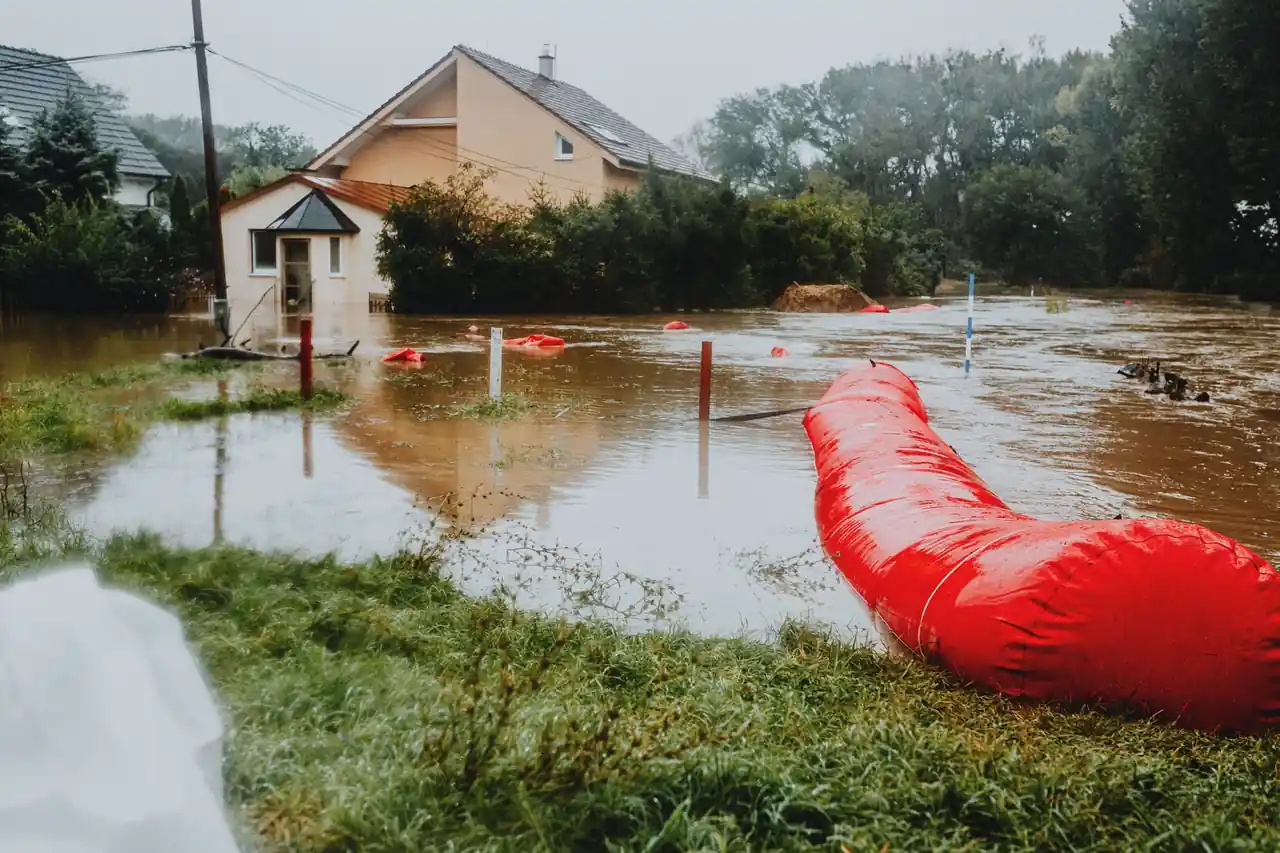
Appliance leaks often turn into full restoration jobs once drywall or flooring is saturated. Our 24/7 crew handles extraction, drying, and the rebuild under one scope so you are not coordinating three contractors.
View service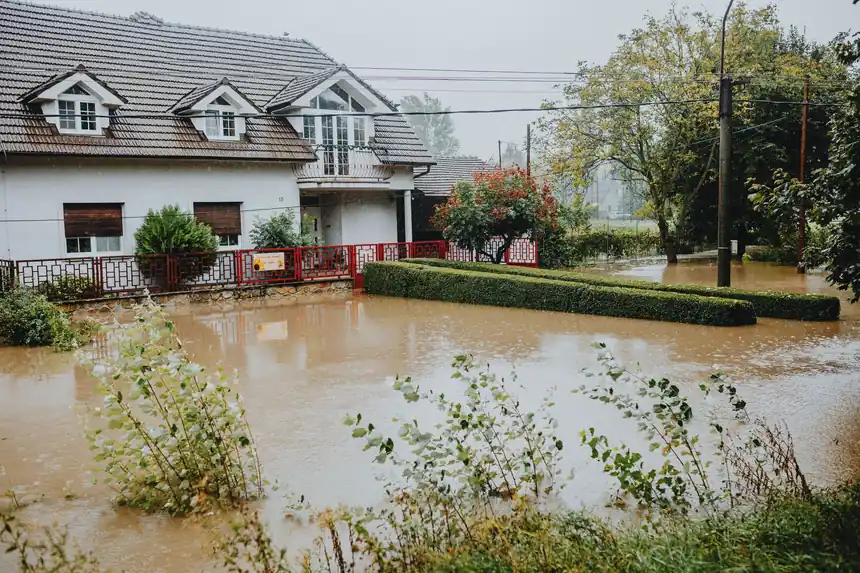
A washer or water heater on the main floor can send water straight into a Rocky Mount basement. We pump it out, dry the slab and framing, and check for sump pump issues while we are there.
View service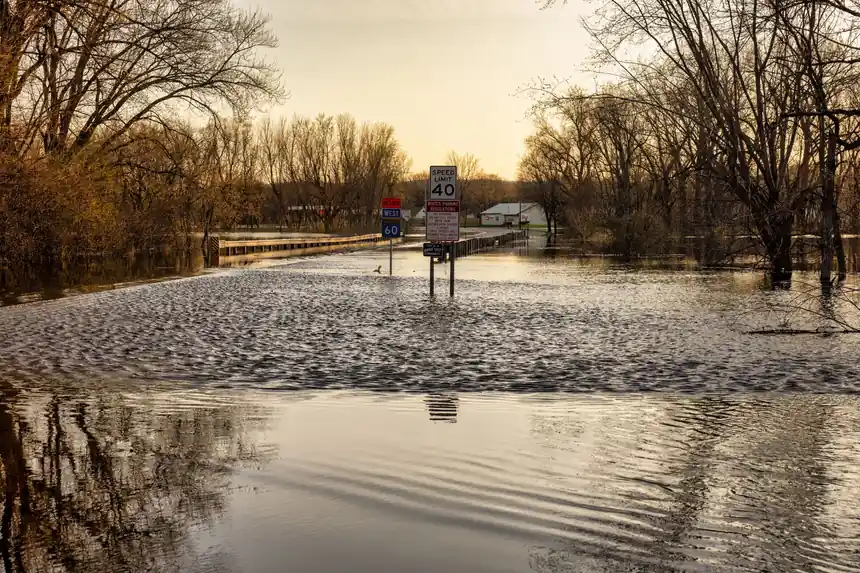
Any appliance leak that is still actively running needs emergency water removal first. We shut off the source, extract, and stabilize the space before anything else. That stops the damage from getting worse while you deal with insurance.
View service
Our line is answered 24/7, and we dispatch crews day and night across Rocky Mount and Nash County. Call and we will ask a few questions about the source and the rooms affected, then give you a real arrival window. If you are not sure whether you need extraction, call anyway - we will tell you straight.