Focused arrival windows
Useful updates and clear arrival timing.
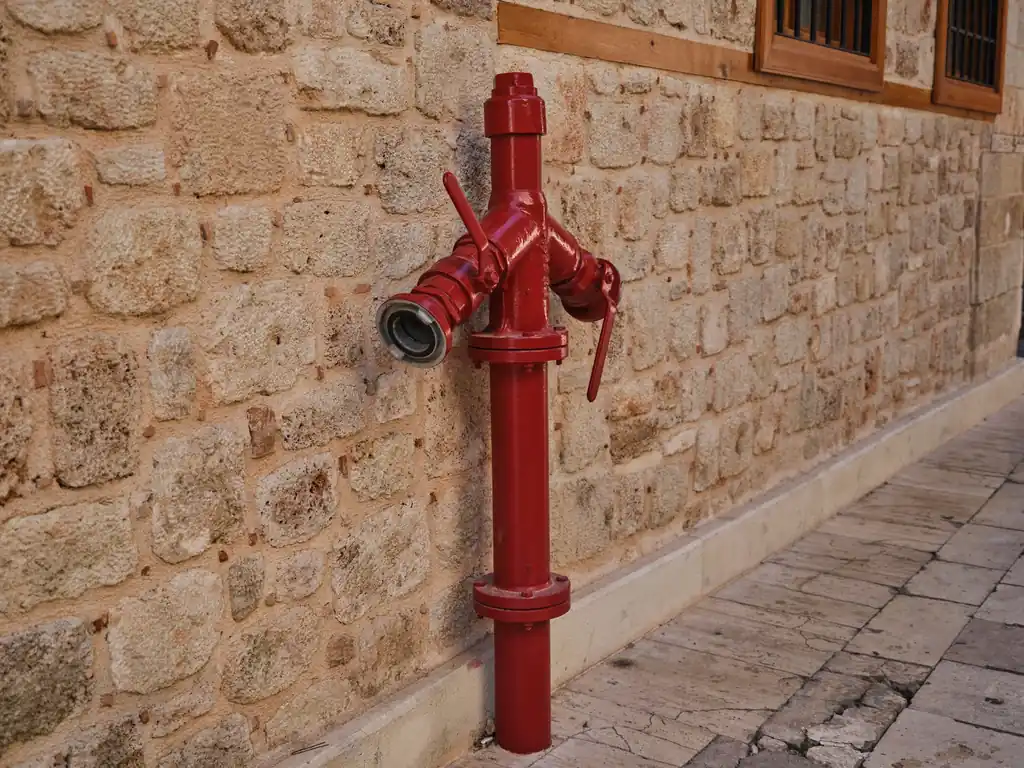
Severe Water Damage Restoration Rocky Mount NC starts with a phone call and ends with a dry, certified structure. We handle burst pipes, flooded basements, sewage backups, and storm-driven flooding across Nash County. Our IICRC-trained crews extract standing water, dry structural cavities, and document every step for your insurance claim. When major water damage repair in Rocky Mount can't wait until morning, we're already on the road.
Useful updates and clear arrival timing.
Review the approach and price before deciding.
Equipped vehicles and respectful cleanup.
Neighbors serving neighbors with follow-through.
Every severe water damage restoration job is different, but the core scope is consistent. Here's what's covered when you hire us for a loss in Rocky Mount, NC. If your job needs reconstruction or specialty work beyond drying, we scope it clearly before we start.
We remove standing water with truck-mounted extractors, submersible pumps, and portable units. For carpet and hardwood, we use weighted extraction tools and floor drying mats. Extraction typically takes two to six hours depending on volume and access.
We use thermal imaging cameras, moisture meters, and hygrometers to map every wet area, including hidden wall water damage. You get photos, readings, and a scope built in Xactimate for your insurance claim.
We place air movers and dehumidifiers to dry wall cavities, subfloor, and framing to ANSI/IICRC S500 standards. Drying runs three to five days for most homes, with daily moisture readings logged and shared with you.
After extraction, we apply antimicrobial solution to affected surfaces to inhibit mold growth. This is especially important for sewage backup and storm damage flooding where contamination is present. We treat framing, subfloor, and wall cavities.
Saturated carpet, padding, insulation, and drywall that can't be saved are removed and disposed of properly. We haul it out, bag it, and leave the space clean. You don't have to handle contaminated materials yourself.
We don't pull equipment until moisture readings confirm the structure is dry. You get a final report with photos, readings, and a summary of work performed. If reconstruction is needed, we scope it before we leave.
Share what is happening and receive a clear next step from the local team.
Severe Water Damage Restoration Rocky Mount NC is the emergency category of work that begins when water has moved beyond a spill and into the structure. That means saturated drywall, wicking insulation, wet subfloor, and moisture trapped inside wall cavities. We use truck-mounted water extractors, submersible pumps, and thermal imaging cameras to find every wet pocket, then set air movers and dehumidifiers to dry the assembly to ANSI/IICRC S500 standards. Left alone, that moisture feeds mold within 24 to 48 hours.
Rocky Mount sits in Nash County where summer thunderstorms and hurricane remnants dump inches of rain fast. Older housing stock near Downtown and Mill Village often has cast-iron drains and undersized sump pumps that fail under that load. We see pipe bursts after the first hard freeze, roof leaks after wind-driven rain, and sewage backups when the city main surcharges. If you're searching for severe water damage restoration in Rocky Mount NC near me at 2 a.m., that's exactly the call we built this service around.
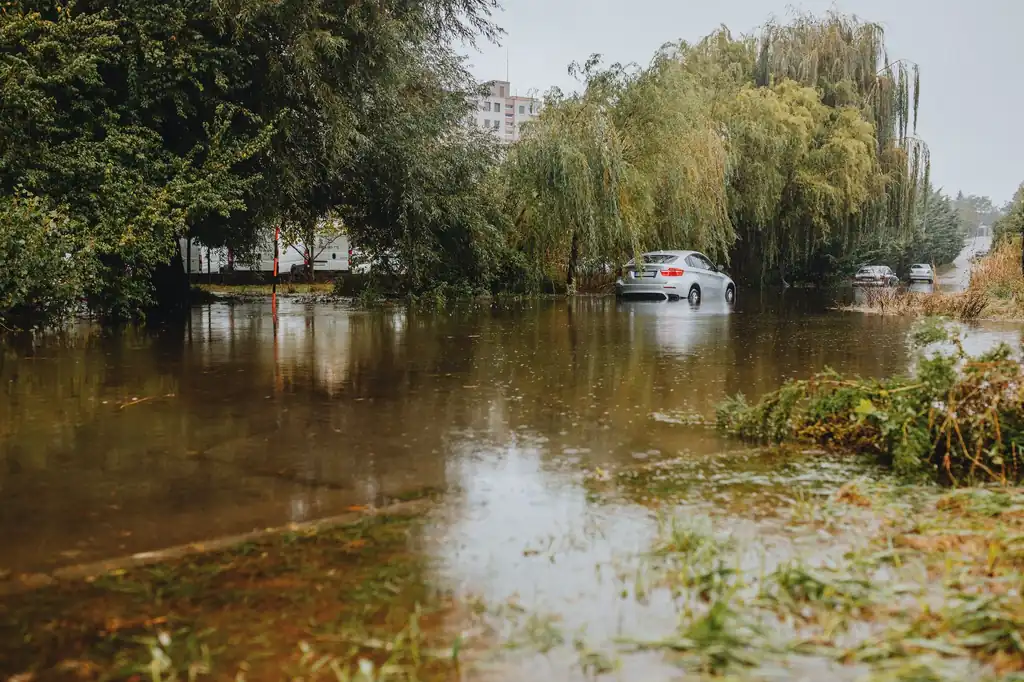
You call and describe what's happening. We ask where the water is coming from, how deep it is, and whether power is safe. Within minutes we dispatch a crew with extraction hoses, submersible pumps, and moisture barriers. You get an arrival window, not a vague promise.
On arrival we locate the source and stop it, whether that's a pipe burst, appliance leak, or sump pump failure. We use thermal imaging cameras and moisture meters to map the full extent of saturation, including hidden wall water damage behind baseboards and under cabinets. This typically takes 30 to 60 minutes.
We pull standing water with truck-mounted extractors and portable units, then switch to weighted extraction tools and floor drying mats for carpet and hardwood. A flooded basement with 2 inches of water usually extracts in two to four hours. We haul out saturated debris and absorbent pads as we go.
We set air movers and dehumidifiers to dry wall cavities, subfloor, and framing. Drying typically runs three to five days depending on material and humidity. We check moisture meter readings daily and adjust equipment placement. You'll see the numbers drop on our log.
We don't pull equipment until materials read dry against a dry standard for the area. We take final photos, provide your documentation packet, and walk you through what was dried, what was removed, and what to watch. If reconstruction is needed, we scope it before we leave.
High-capacity extraction for standing water in carpet, hardwood, and concrete. Pulls hundreds of gallons per hour and reaches areas portable units can't.
Used for flooded basements and deep standing water. Pumps out large volumes quickly before we switch to extraction for the remaining moisture.
Locates hidden wall water damage and wet pockets behind drywall, under floors, and in ceilings without tearing out materials unnecessarily.
Measures moisture content in materials and relative humidity in the air. We log readings daily to track drying progress and verify dry standard.
Dri-Eaz and Phoenix Restoration Equipment air movers and dehumidifiers dry structural cavities. We size the equipment to the job and monitor performance daily.
Used for carpet and hardwood to pull water from deep in the material and dry the subfloor beneath. Prevents cupping and delamination.
Applied to affected surfaces after extraction to inhibit mold growth. Essential for sewage backup and storm damage flooding losses.
The industry standard for water damage restoration. We follow it for extraction, drying, and verification, which means our work holds up to insurance review and third-party inspection.
We map the full extent of saturation with thermal imaging and moisture meters, then monitor daily with hygrometers. You see the readings drop, and we don't pull equipment until materials meet dry standard.
We build the loss scope in Xactimate, the software most adjusters use. That means line items match what your insurance expects, reducing delays and disputed charges.
For contaminated water losses, we follow a treatment protocol that includes PPE, removal of affected materials, and application of antimicrobial solution to framing and subfloor before drying.
We dispatch immediately, shut off the water, and extract from both floors. We open the ceiling where needed, dry the joists and subfloor, and document the loss for insurance. The structure is dry in four to five days, and the ceiling is ready for repair. No mold, no sagging drywall.
We pump out the standing water, extract from the slab and any carpet, and set drying equipment. We also check the crawl space and recommend a backup sump system. The basement is dry in three to four days, and you have a plan to prevent the next flood.
We extract from both floors, remove saturated materials, and treat with antimicrobial solution. We use thermal imaging to find water that traveled behind cabinets and inside walls. The kitchen and bathroom are dry and clean, and the loss is documented for your claim.
We dispatch a commercial crew with high-capacity extractors and drying equipment. We work after hours to minimize disruption and document the loss in Xactimate for the property owner. The space is dry and ready to reopen within a week, with a full documentation packet for the insurance claim.
Rocky Mount sits in Nash County where the climate swings from humid summers to occasional hard freezes. That combination drives two peak seasons for water damage: summer thunderstorms and hurricane remnants that overwhelm sump pumps and roof drainage, and winter freezes that burst pipes in attics and crawl spaces. The housing stock matters too. Older homes near Downtown and Mill Village often have cast-iron drains, galvanized supply lines, and pier-and-beam foundations. Those crawl spaces flood easily and dry slowly. Newer construction in Stoneybrook and Cobblestone tends to have slab foundations and PVC plumbing, which changes how water travels and how we dry. We adjust our equipment and timeline to the building in front of us. If you need emergency severe water damage repair near me Rocky Mount NC during a storm, we're already staged nearby. We know which streets flood, which neighborhoods lose power, and how to get equipment to your door when it matters.
Older commercial and residential buildings with cast-iron drains and flat roofs. Storm water backs up easily and roof leaks are common after wind-driven rain.
Established residential neighborhood with mature trees. Root intrusion into sewer lines causes backups, and crawl spaces flood after heavy rain.
Mix of older homes and rentals. We see toilet overflow and appliance leak losses here, often in second-floor bathrooms that damage ceilings below.
Low-lying areas near the river are prone to storm damage flooding and crawl space water intrusion. Sump pump failure is a frequent call.
Newer construction with slab foundations. Water travels across the slab and into walls quickly. Pipe bursts in winter are the main concern.
Heavy rain overwhelms sump pumps and roof drainage, causing flooded basements and roof leak losses. We staff extra crews during storm season.
Pipes in attics and crawl spaces freeze and burst, often while homeowners are asleep. We respond 24/7 to shut off water and extract before mold starts.
Cast-iron drains corrode and back up, causing sewage backup losses. We handle Category 3 water with full PPE and antimicrobial treatment.
Humidity slows structural drying. We run additional dehumidifiers and monitor hygrometer readings closely to hit dry standard on time.
A supply line burst in an upstairs bathroom at 2 a.m. Water poured through the ceiling into the kitchen below. The homeowner woke to standing water and sagging drywall. Carpet in two rooms was saturated, and moisture had wicked into the wall cavities.
We extracted 40 gallons of water, removed saturated carpet and padding, and dried the structure in five days. Moisture readings returned to dry standard. The ceiling was opened for drying and later repaired. No mold growth.
Maintenance: We recommended a pressure-reducing valve on the main line and annual inspection of supply lines. The homeowner now checks under sinks monthly and knows where the shutoff valve is.
A storm dumped four inches of rain, and the sump pump failed overnight. The basement had two inches of standing water covering the slab and saturating stored belongings. The homeowner discovered it the next morning.
We pumped out the water, extracted from the slab, and dried the basement in four days. We removed damaged cardboard and fabric, treated the space with antimicrobial solution, and verified dryness with moisture meters.
Maintenance: We installed a battery backup sump pump and recommended a water alarm. The homeowner now tests the pump monthly and keeps the basement floor clear of storage.
A tenant reported sewage backing up into the first-floor bathroom and hallway. The water was Category 3, contaminated with bacteria. Carpet and baseboards were saturated, and the smell was strong.
We handled the loss with full PPE, removed contaminated carpet and baseboards, and treated the subfloor and framing with antimicrobial solution. Drying took five days. The unit passed a post-remediation check.
Maintenance: We recommended a camera inspection of the sewer line and root removal. The property manager now schedules annual drain cleaning for all units.
Severe water damage shows up in different ways, but the consequences are the same if you wait: mold, rot, and a bigger repair bill. Here's what we fix.
A burst supply line can dump hundreds of gallons in minutes, soaking drywall, flooring, and framing. Mold can start within 24 to 48 hours. We shut off the water, extract standing water with truck-mounted extractors, and dry the structure to ANSI/IICRC S500 standards. We document the loss for your insurance claim and verify dryness with moisture meters before we leave.
Standing water in a basement wicks into drywall and framing, feeds mold, and can damage HVAC equipment and stored belongings. We pump out the water with submersible pumps, extract saturated carpet and padding, and dry the slab and framing. We also check for crawl space water intrusion and sump pump failure so the problem doesn't repeat.
Category 3 water carries bacteria and pathogens. Without proper PPE and antimicrobial treatment, it becomes a health hazard. We handle sewage backup water extraction with full PPE, remove contaminated materials, and treat affected surfaces with antimicrobial solution. We document the loss for insurance and dispose of waste properly.
Water from a roof leak travels along joists and drips into ceilings and walls, causing stains, sagging drywall, and hidden mold. We use thermal imaging to trace the water path, extract from ceilings and walls, and dry the affected cavities. We document the loss so your insurance covers both the leak repair and the water damage.
$3,000 - $12,000 depending on scope
Typical 2026 pricing for severe water damage restoration in Rocky Mount ranges from $3,000 to $12,000 depending on square footage, water category, and how long the water sat. A single-room extraction and dry might land near $2,500. A flooded basement with sewage backup and reconstruction can exceed $15,000. We provide a written scope before work begins so you and your adjuster see the numbers. Most homeowner policies cover sudden water damage, and we document the loss to support your claim.
The cost of professional restoration is almost always less than the cost of mold remediation and structural repair down the road. We dry to standard and document everything, so you're not paying twice for the same loss.
Clean water (Category 1) costs less to remediate than gray water (Category 2) or sewage-contaminated black water (Category 3). Category 3 requires PPE, antimicrobial treatment, and disposal of affected materials, which adds cost.
The more area that's wet, the more extraction, drying equipment, and monitoring time required. A single room might take two days to dry. A whole floor can take five or more.
Water that sat for 48 hours or more has likely wicked into walls and subfloor, requiring more extensive drying and possibly removal of materials. Fast response reduces cost.
Carpet and pad are often removed and replaced. Hardwood can sometimes be saved with drying mats. Plaster walls dry slower than drywall and may need more equipment time.
If drywall, flooring, or cabinetry must be removed and replaced, that adds cost beyond drying. We scope reconstruction separately so you see the full picture.
Most homeowner policies cover sudden water damage. We document the loss in Xactimate and work with your adjuster to support the claim. Your out-of-pocket cost depends on your deductible and coverage.
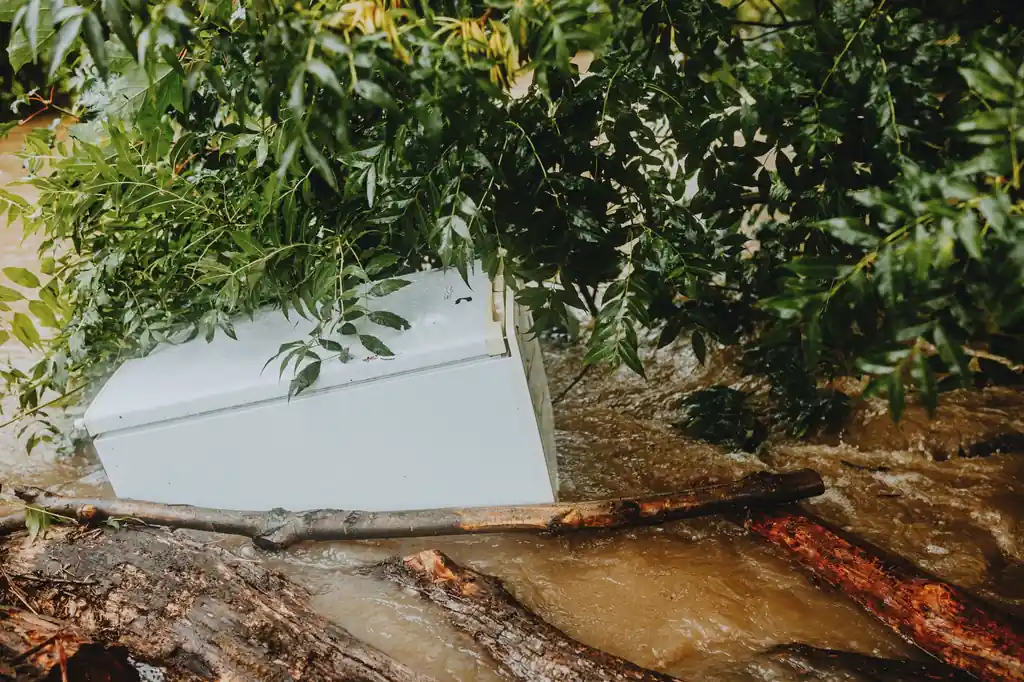
Our technicians train to IICRC standards in water restoration, applied structural drying, and microbial remediation. We carry OSHA 10 and EPA Lead-Safe Certification because Rocky Mount's older housing stock often contains lead paint and asbestos in materials we handle. We know how to read a moisture meter, how to interpret thermal imaging, and how to build a drying plan that holds up to an adjuster's review. That local experience matters when a pipe burst at 2 a.m. and you need someone who has seen it before.
A pipe burst in our upstairs bathroom at 3 a.m. and water was pouring through the ceiling by the time we woke up. Water Recovery Network had a crew here in under an hour. They extracted the water, set drying equipment, and documented everything for our insurance. Five days later the moisture readings were back to normal. They saved our hardwood floors.
Our basement flooded after a storm and we had two inches of standing water. I called three companies and Water Recovery Network was the only one that answered on a Sunday. They pumped out the water, removed the ruined carpet, and treated the whole space. The crew explained every step and showed me the moisture readings each day. No mold, no smell.
We manage several rental properties in Rocky Mount and had a sewage backup at one of them. Water Recovery Network handled the Category 3 cleanup properly, with PPE and antimicrobial treatment. They documented the loss in Xactimate and worked directly with our adjuster. Professional from start to finish. We use them for all our water losses now.
Most severe water damage restoration jobs in Rocky Mount NC run $3,000 to $12,000 depending on square footage, water category, and how long the water sat. A single-room extraction and dry might land near $2,500, while a flooded basement with sewage backup and reconstruction can exceed $15,000. We provide a written scope before work begins so you and your adjuster see the numbers.
Yes. Most homes with major water damage in Rocky Mount can be restored rather than rebuilt. We extract standing water, dry structural cavities to ANSI/IICRC S500 standards, and treat affected areas with antimicrobial solution. Materials like hardwood, drywall, and framing are often salvageable if drying starts within 24 to 48 hours. We tell you honestly what can be saved and what cannot.
Extraction usually takes two to six hours. Structural drying runs three to five days for most Rocky Mount homes, sometimes longer for crawl spaces or plaster walls. Reconstruction, if needed, adds one to three weeks. You get a daily moisture log so you can see progress, and we don't pull equipment until readings confirm the structure is dry.
Water Recovery Network handles large loss water damage restoration in Rocky Mount, North Carolina. We staff multiple crews, carry commercial-grade extraction and drying equipment, and can scale to apartment buildings, retail spaces, and multi-family properties. Call +1 (252) 385-6067 and we'll dispatch the right crew size for your loss.
Not seeing your question? Our local team can help you understand urgency, scheduling and what to expect.
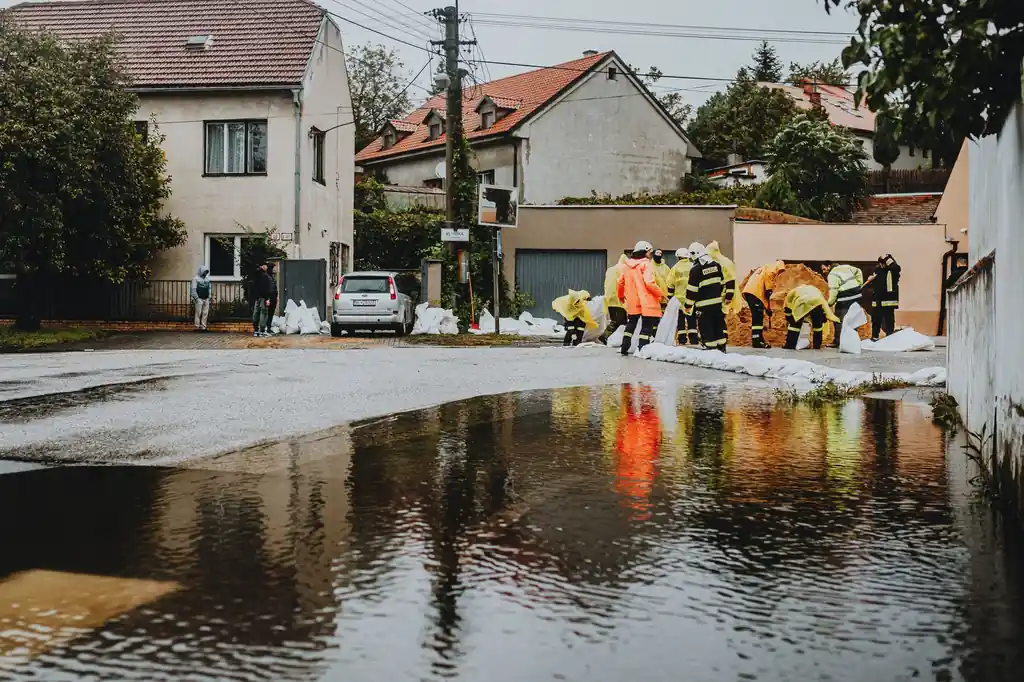
Ask the local team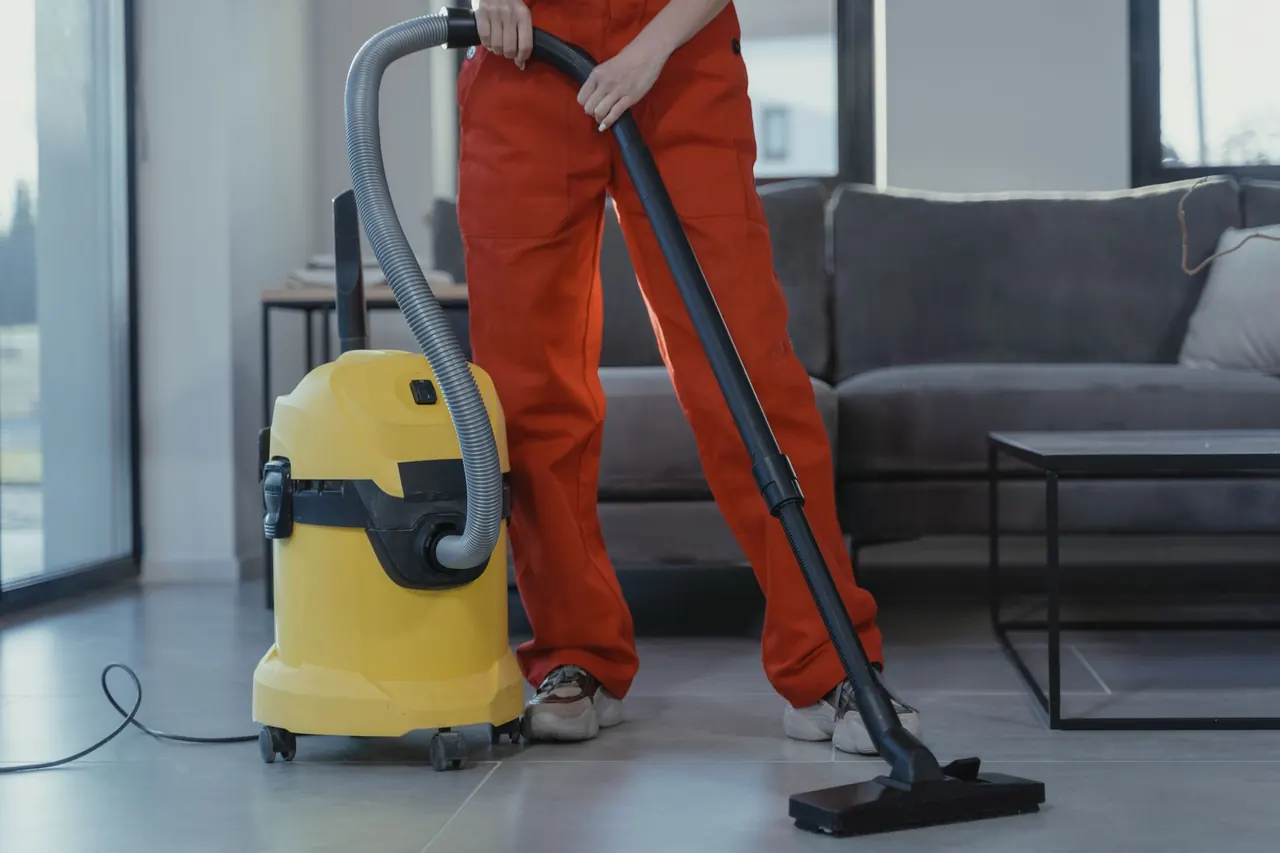
When water is still standing, emergency water extraction is the first step of severe water damage restoration. We pull water with truck-mounted extractors and portable units before drying begins, stopping further migration into walls and subfloor.
View service
Severe water damage doesn't keep business hours. Our 24/7 water damage restoration line dispatches crews across Rocky Mount, NC overnight and on holidays, so a burst pipe at 2 a.m. gets the same response as a weekday call.
View service
A flooded basement is one of the most common severe water damage calls in Rocky Mount. We pump out standing water, extract saturated carpet and padding, and dry the slab and framing to prevent mold growth in below-grade spaces.
View service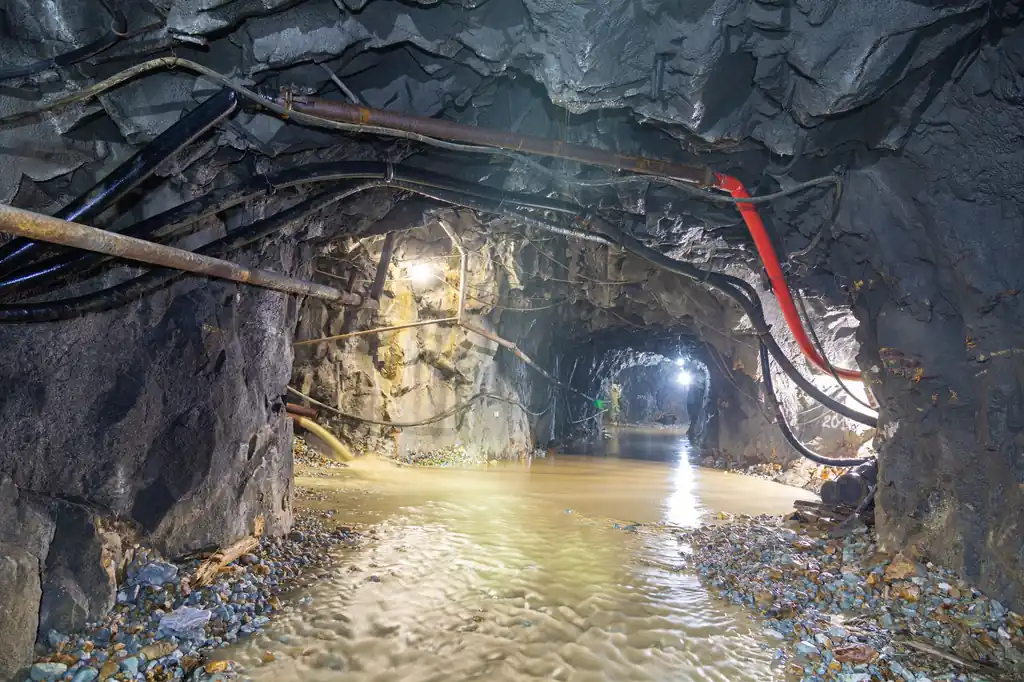
Emergency water removal is the rapid-response phase of severe water damage restoration. We arrive with submersible pumps and wet/dry vacuums to remove water fast, then transition into structural drying once the bulk water is gone.
View service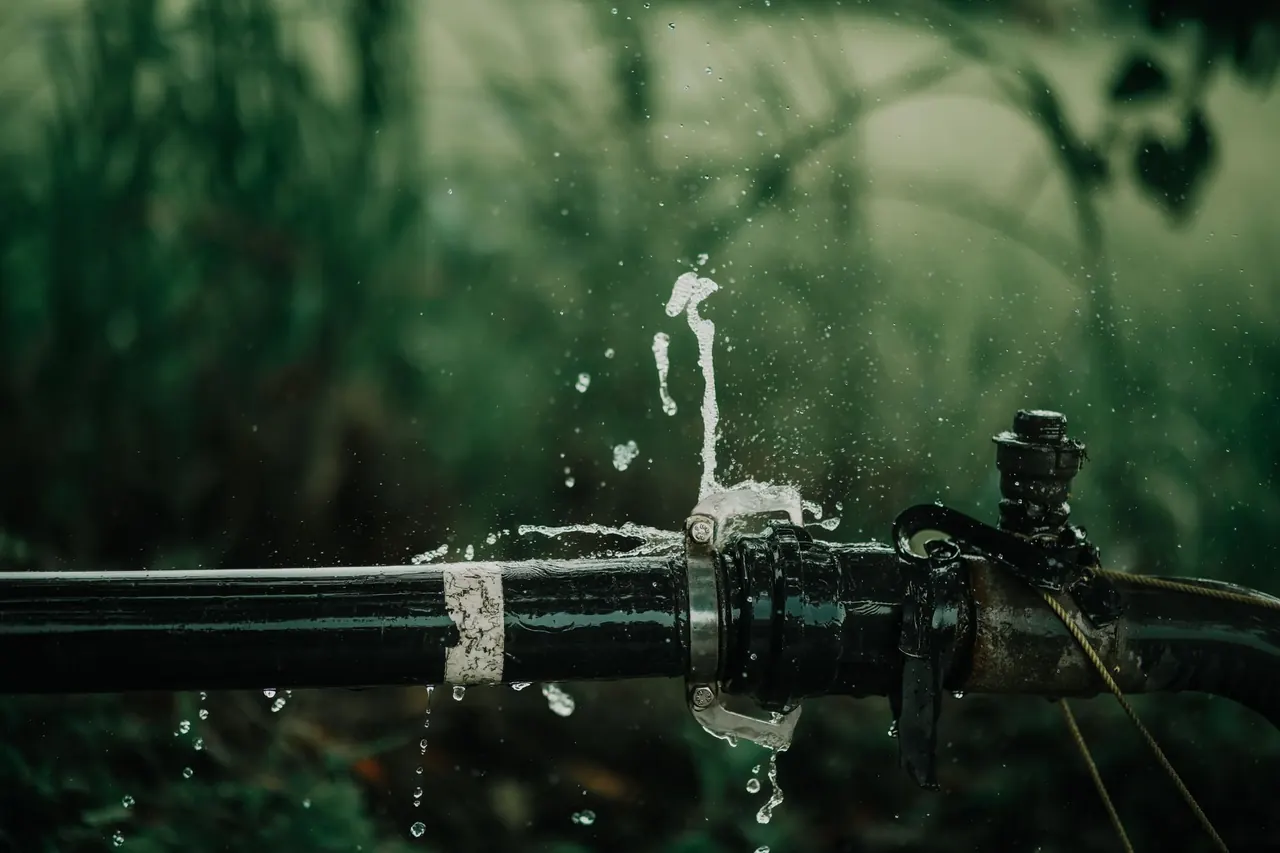
Our line is answered 24/7, and we dispatch crews day and night across Rocky Mount and Nash County. Call and we will ask a few questions about the source and the rooms affected, then give you a real arrival window. If you are not sure whether you need extraction, call anyway - we will tell you straight.