Focused arrival windows
Useful updates and clear arrival timing.
Standing Water Removal Rocky Mount NC is our specialty. When a pipe bursts, a sump pump fails, or a storm dumps water into your crawl space, every hour counts. We roll truck-mounted extractors to homes and businesses across Nash County, pull the water out, and start drying the same day. Call +1 (252) 385-6067 and we will be on the way.
Useful updates and clear arrival timing.
Review the approach and price before deciding.
Equipped vehicles and respectful cleanup.
Neighbors serving neighbors with follow-through.
Every standing water removal job is different, but our core service covers the essentials. Here is what you get when you hire us for standing water extraction in Rocky Mount.
We pump and extract standing water from floors, basements, crawl spaces, and wall cavities using truck-mounted extractors and submersible pumps. We work until the bulk water is gone.
We use thermal imaging cameras and moisture meters to find hidden water behind walls and under floors. This ensures we dry the whole affected area, not just the visible surface.
After extraction, we apply antimicrobial solution to affected surfaces to stop mold and bacteria growth. This is especially important for sewage backups and category 3 water.
We place air movers and dehumidifiers to dry the structure. We use floor drying mats for hardwood and desiccant dehumidifiers for crawl spaces. Drying typically takes three to five days.
We provide photos, moisture readings, and Xactimate-compatible estimates to support your claim. We can communicate directly with your adjuster to speed up the process.
We do not pack up until moisture readings match dry standard. You get a final report showing the before-and-after readings, so you know the job is done right.
Share what is happening and receive a clear next step from the local team.
Standing Water Removal Rocky Mount NC is the process of pumping, extracting, and disposing of pooled water from floors, basements, crawl spaces, and wall cavities before it soaks into framing, drywall, and subfloor. We use truck-mounted water extractors, submersible pumps, and weighted extraction tools to pull water out of carpet, hardwood, tile, and concrete. Once the bulk water is gone, air movers and dehumidifiers finish the job. It is not a mop-and-bucket task. Water wicks into materials within minutes and mold can start in 24 to 48 hours.
Rocky Mount sits in Nash County, where summer thunderstorms, hurricane remnants, and winter freeze-thaw cycles all push water into homes. A pipe burst in a West Haven ranch house, a flooded basement near the Tar River, or a roof leak in Englewood after a storm - we see it all. If you are searching for standing water removal in Rocky Mount NC near me, our team is local and ready. We also handle standing water removal services North Carolina homeowners and landlords rely on when the water will not stop coming.
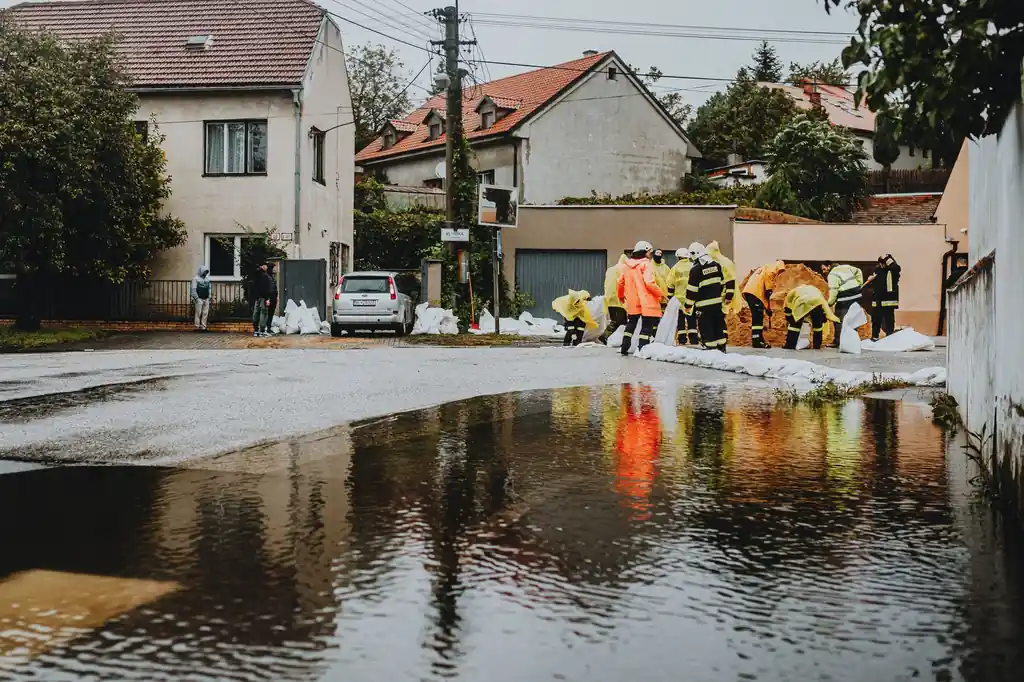
You call +1 (252) 385-6067 and speak to a real person, not a call center. We ask where the water is, how deep, and whether it is clean or contaminated. Within minutes, we dispatch a crew with the right equipment - submersible pump for a flooded basement, portable extractor for a kitchen appliance leak.
On arrival, we shut off the water source if it is still running and check for electrical hazards. We use a thermal imaging camera and moisture meter to map how far the water has spread - under cabinets, into walls, across the subfloor. You get a clear picture of the damage before we start.
We set up the truck-mounted water extractor and run hoses to the deepest water. For carpet and pad, we use a weighted extraction tool to pull water from the backing. For hardwood and concrete, we use squeegees and wet/dry vacuums. A typical residential job takes two to four hours of extraction.
Once the standing water is gone, we place air movers and dehumidifiers to dry the structure. We use a floor drying mat system for hardwood and desiccant dehumidifiers for crawl spaces. Drying usually takes three to five days. We monitor with hygrometers and infrared thermometers daily.
When moisture readings match dry standard, we remove the equipment and walk you through the results. You get a full report with photos and meter readings for your insurance claim. We also leave you with simple maintenance tips to keep water from coming back.
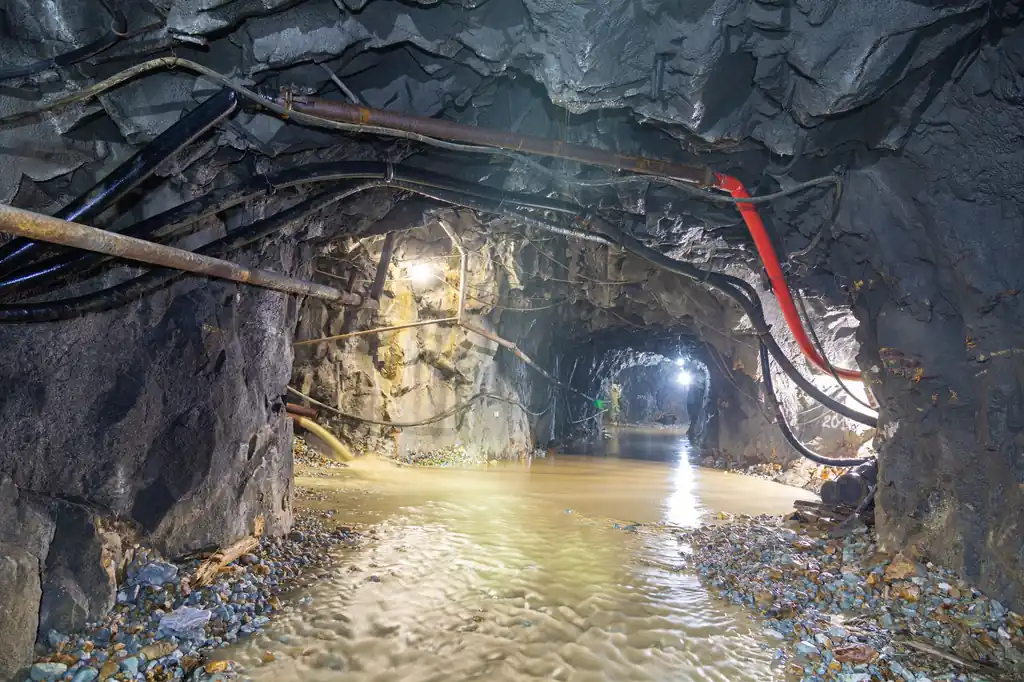
Pulls hundreds of gallons per hour from carpets, floors, and deep standing water. It is the workhorse of our extraction process.
Used for flooded basements and crawl spaces where water is too deep for standard extractors. It pumps water out fast.
Finds hidden water behind walls and under floors by detecting temperature differences. It helps us map the full extent of the damage.
Measures moisture content in materials and humidity in the air. We use these to track drying progress and know when the job is done.
Dries the structure after extraction. Air movers circulate air, and dehumidifiers pull moisture from the air. We use Dri-Eaz and Phoenix Restoration Equipment models.
Pulls water from carpet and pad by applying pressure while extracting. It removes more water than a standard wand, saving the carpet when possible.
Dries hardwood floors without causing cupping or buckling. It circulates air under the boards to pull moisture out evenly.
The industry standard for water damage restoration. We follow it for every job, from extraction to drying to documentation. It ensures we do the work correctly and safely.
We use thermal imaging and moisture meters to create a map of the affected area. This tells us exactly where the water is and how far it has spread, so we do not miss hidden pockets.
After extraction, we apply antimicrobial solution to affected surfaces. This stops mold and bacteria from growing while the structure dries. It is especially important for sewage backups.
We check moisture readings every day during the drying process. If readings are not dropping, we adjust equipment or add more. We do not guess; we measure.
We shut off the water, extract it from the hardwood floors, and set up floor drying mats to save the original wood. We also repair the burst pipe and check for other freeze risks. The homeowner avoided a full floor replacement and had the pipe fixed the same day. The floors dried without cupping.
We pump out the water, extract from carpet and drywall, and remove the wet baseboards. We set up dehumidifiers and air movers to dry the space and treat for mold. The basement was dry in four days. The homeowner's insurance covered most of the cost, and we installed a backup sump pump to prevent future flooding.
We extract the water, remove the contaminated carpet and pad, and sanitize the concrete floor. We set up air movers to dry the area and check for water in the adjacent rooms. The office was back in business the next day. The carpet was replaced, and the concrete was dry and sanitized.
We extract the standing water from the ceiling, dry the framing, and tarp the roof to stop further leaks. We also document the damage for the insurance claim. The ceiling was saved from collapse, and the homeowner got a fair settlement for the roof repair. We dried the attic and insulation to prevent mold.
Rocky Mount's climate and building stock shape how we handle standing water removal. Summer thunderstorms and hurricane remnants dump heavy rain fast, and the Tar River can flood low-lying areas. Winter freeze-thaw cycles burst pipes in older homes, especially in Mill Village and Downtown. Many houses have crawl spaces, which trap moisture and need desiccant dehumidifiers. We know the local codes and work with Nash County inspectors. When you need standing water extraction Rocky Mount, we bring the right equipment for the job. We also serve ZIP codes 27803, 27804, and 27801. If you are searching for how to remove standing water from a flooded home in Rocky Mount, call us first. We have the local experience to dry your property fast.
Many ranch-style homes with finished basements. Sump pump failures are common during heavy rain, and we respond fast to pump them out.
Older commercial buildings and historic homes. We handle everything from pipe bursts in storefronts to roof leaks in century-old houses.
Established neighborhood with mature trees. Roof leaks from storm damage are frequent, and we extract water from attics and ceilings.
Historic mill homes with original hardwood floors. We use floor drying mats to save the wood after a pipe burst or appliance leak.
Newer construction with crawl spaces. We install moisture barriers and use desiccant dehumidifiers to keep them dry after water intrusion.
These events can flood basements and crawl spaces quickly. We keep extra pumps and dehumidifiers on hand during storm season to respond fast.
Pipes in older homes can burst when temperatures drop below freezing. We see a spike in calls from December through February and prioritize emergency extraction.
Homes in low-lying areas are prone to foundation seepage and crawl space flooding. We use submersible pumps and moisture barriers to handle the extra water.
Older pipes are more likely to leak or burst. We repair the source when possible and extract the water to prevent mold and rot.
A sump pump failed during a storm, leaving four inches of water across a finished basement. The carpet was soaked, and water had wicked up the drywall. The homeowner was worried about mold and losing the space.
We pumped out the water, extracted the carpet, and removed the wet baseboards. After four days of drying with dehumidifiers and air movers, moisture readings were normal. The homeowner only had to replace the baseboards and carpet pad.
Maintenance: We recommended a backup sump pump and a water alarm. The homeowner now tests the pump monthly and has not had a flood since.
A pipe burst in the wall during a January freeze, sending water across the original hardwood floors. The homeowner saw cupping within hours and called us immediately.
We shut off the water, extracted it from the floors, and set up floor drying mats. The hardwood dried without cupping or buckling. We repaired the pipe and checked the rest of the plumbing for freeze risks.
Maintenance: We advised the homeowner to insulate exposed pipes and let faucets drip during freezes. They also scheduled a plumbing inspection for the following fall.
A sewage backup flooded a commercial office bathroom and seeped into the hallway carpet. The water was category 3, and the business had to close for the day.
Our IICRC AMRT techs extracted the water, removed the contaminated carpet and pad, and sanitized the concrete floor. We dried the area with air movers and verified with moisture meters. The office reopened the next morning.
Maintenance: We recommended a backflow preventer and annual plumbing inspections. The business also now keeps a emergency plan for future backups.
Standing water is never just water. It brings mold, rot, and expensive repairs. Here are the problems we fix for Rocky Mount homeowners and businesses.
Water can soak drywall, ruin stored items, and create a mold problem within 48 hours. The longer it sits, the more you pay to fix it. We pump out the basement, extract water from concrete and stored items, and set dehumidifiers to dry the space. We also check for foundation leaks and recommend fixes to prevent it from happening again.
Water can run behind drywall, soak insulation, and pool on the ceiling. If ignored, the drywall can collapse and mold can spread through the wall cavity. We shut off the water, find the leak with thermal imaging, and extract standing water from the wall cavity. We dry the framing and repair the pipe. Our NC Plumbing License means we can fix the source, not just the water.
Sewage is category 3 water, which means it contains harmful bacteria and pathogens. It requires specialized cleanup and disposal to make the space safe again. Our IICRC AMRT-certified techs extract the water, remove contaminated materials, and sanitize the area with antimicrobial solution. We follow ANSI/IICRC S500 standards to ensure the space is safe for your family.
Standing water in a crawl space raises humidity inside the whole house, leading to mold, wood rot, and higher energy bills. It can also attract pests. We pump out the water, dry the space with desiccant dehumidifiers, and install a moisture barrier to keep it dry. We also identify drainage issues that let water in and recommend fixes.
$500 - $2,500 depending on scope
Standing water extraction cost in Rocky Mount, North Carolina depends on the size of the affected area, the category of water, and how long it has been sitting. Most residential jobs run $500 to $2,500. A small appliance leak might be on the low end; a flooded basement with sewage backup will be higher. We give you a written estimate before we start, and we work with your insurance to cover the cost. Our 2026 pricing is competitive and transparent.
Fast extraction prevents mold and structural damage that can cost thousands more to fix. Our pricing reflects the equipment, labor, and expertise required to dry your property correctly the first time.
The more area the water covers, the more extraction and drying equipment we need. A single room costs less than a whole floor.
Clean water (category 1) is the simplest. Gray water (category 2) and black water (category 3, like sewage) require additional safety measures and disposal costs.
The longer water sits, the more it soaks into materials. Fast response can save carpet and drywall; delayed response often means replacement.
Carpet, hardwood, and drywall each require different extraction and drying methods. Some materials can be saved; others must be removed.
Furniture, appliances, and tight spaces can slow extraction. We move what we can and work around what we cannot.
Most homeowner policies cover sudden water damage. We document everything and bill your insurance directly, so you typically pay only your deductible.
Our sump pump failed during a storm and the basement had six inches of water. Water Recovery Network arrived in under an hour, pumped it all out, and set up dehumidifiers. They saved our finished basement and handled the insurance paperwork. I cannot recommend them enough.
A pipe burst in one of our rental units on a Sunday morning. I called and they were there by 9 a.m. They extracted the water, dried the walls, and even repaired the pipe. Our tenant was back in the unit within four days. Professional and fast.
After a roof leak, water was dripping into our living room ceiling. The team found the source with a thermal camera, extracted the standing water, and dried everything out. They also gave us tips to prevent it from happening again. Honest pricing, no surprises.
Most residential jobs run $500 to $2,500, depending on square footage, water category, and how long the water has been sitting. A small appliance leak might be on the low end; a flooded basement with sewage backup will be higher. We give you a written estimate before we start. Insurance often covers most of the cost.
Call a licensed water damage restoration company. We hold North Carolina General Contractor and NC Plumbing licenses, plus IICRC WRT and ASD certifications. We have the pumps, extractors, and drying equipment to do it right. A handyman with a shop vac will not dry the structure, and mold will follow.
Mold can start growing in 24 to 48 hours. Drywall and carpet padding wick water within minutes. Hardwood floors can cup and buckle in 24 hours. After 72 hours, the risk of structural damage and microbial growth jumps sharply. That is why we treat every standing water call as an emergency.
Yes. We run 24/7 emergency standing water extraction Rocky Mount NC crews. Call +1 (252) 385-6067 any time, day or night. We dispatch immediately and aim to be on-site within 60 minutes for most Rocky Mount addresses. The sooner we extract, the less damage you pay for.
Not seeing your question? Our local team can help you understand urgency, scheduling and what to expect.
Ask the local team
When water is rising fast, our emergency water extraction crews pull it out before it spreads. We use truck-mounted extractors and submersible pumps to remove hundreds of gallons per hour from Rocky Mount homes.
View service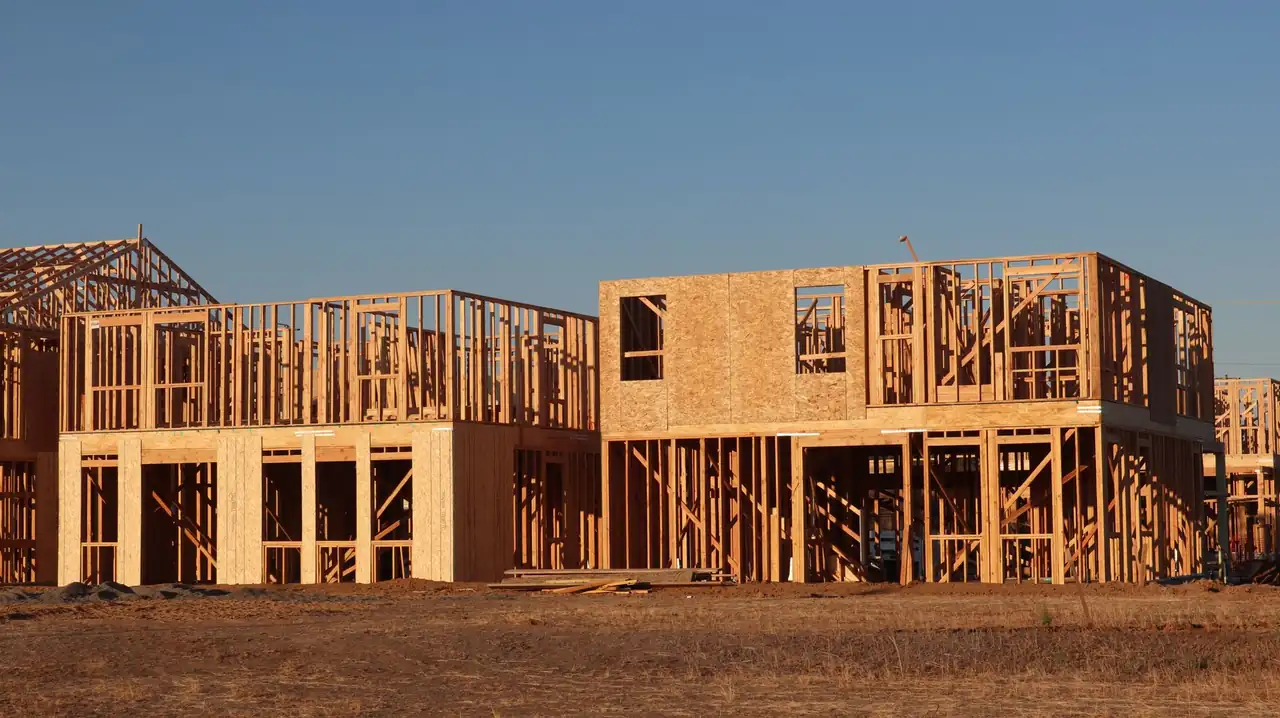
Standing water is just the start. Our 24/7 water damage restoration service handles extraction, drying, repairs, and mold prevention. One call covers the whole job, from wet floor to finished repair.
View service
A flooded basement in Rocky Mount can hold thousands of gallons. We pump it dry, extract from concrete and stored items, and set dehumidifiers to stop musty odors and mold growth in the lower level.
View service
Burst pipe at 2 a.m.? Toilet overflow before guests arrive? Our emergency water removal team responds around the clock to stop the water and start drying before damage gets worse.
View service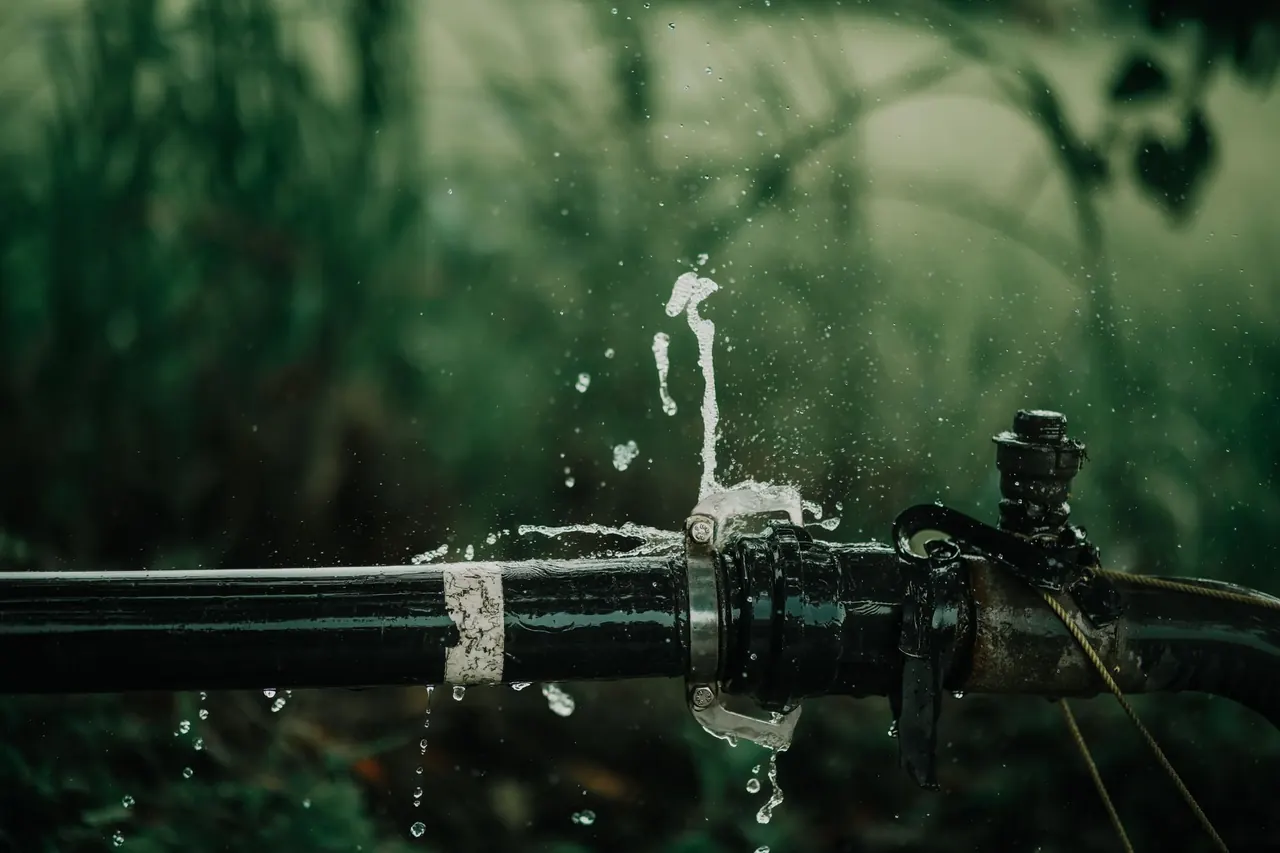
Our line is answered 24/7, and we dispatch crews day and night across Rocky Mount and Nash County. Call and we will ask a few questions about the source and the rooms affected, then give you a real arrival window. If you are not sure whether you need extraction, call anyway - we will tell you straight.