Focused arrival windows
Useful updates and clear arrival timing.

Attic Water Extraction Rocky Mount NC is the fast pump-out and structural dry-down that stops a roof leak or burst pipe from rotting your rafters and staining the ceiling below. We handle homes and small commercial buildings across Nash County, and we answer the phone 24/7. If you have soggy insulation and a spreading ceiling stain right now, call us and we will be rolling.
Useful updates and clear arrival timing.
Review the approach and price before deciding.
Equipped vehicles and respectful cleanup.
Neighbors serving neighbors with follow-through.
Every attic job starts with a full inspection and ends with documented dry readings. Here is what is covered in a standard attic water extraction visit, and what we quote separately if your job needs it.
We climb the attic with a moisture meter, hygrometer and thermal imaging camera to map every wet zone. You get a clear picture of how far the water traveled before we pull a single gallon.
Truck-mounted water extractor for the bulk of the water, plus a submersible pump and portable water extraction unit for tight truss bays. We pull 20 to 40 gallons on a typical Rocky Mount attic job.
Blown insulation and wet batts come out, get bagged, and go with us. We tell you exactly how many square feet need replacing so you can price the new material before we leave.
Affected framing and sheathing get treated with an antimicrobial solution to stop mold before it starts. This is the step that separates a cleanup from a full attic rebuild.
Air movers and a Dri-Eaz or Phoenix Restoration Equipment dehumidifier run for two to four days. We check moisture readings daily and pull the equipment only when the wood is dry.
Photos, moisture logs and a scope written in Xactimate. Hand it to your adjuster and the claim moves faster, with fewer questions about what was wet and what we did.
Share what is happening and receive a clear next step from the local team.
Attic Water Extraction Rocky Mount NC is the process of removing standing water and saturated debris from an attic, then drying the wood, insulation and ceiling assembly before mold sets in. Water in an attic does not drain anywhere. It sits on the joists, soaks into blown insulation and drywall, and starts feeding mold within 24 to 48 hours. We pull the water with a truck-mounted water extractor and a submersible pump, then set air movers and a dehumidifier to dry the framing.
Most of our Rocky Mount attic calls start with a roof leak after a heavy storm, a pipe burst in a freezing snap, or an HVAC leak from a clogged condensate pan. Attic water removal Rocky Mount homeowners call us for usually means wet insulation, a brown ring on the ceiling, and a musty smell in an upstairs bedroom. Left alone, that moisture travels down wall cavities and ruins paint, trim and flooring. We stop it at the source.
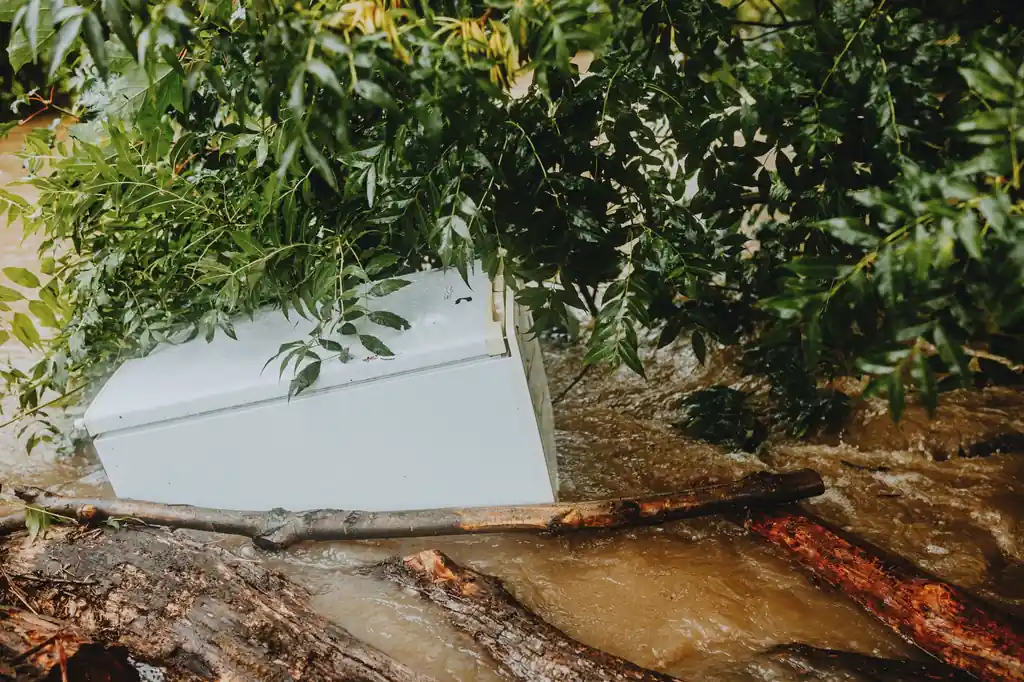
You call, we ask three questions: where is the water coming from, how big is the stain, and is the power still on up there. We give you a price range on the phone and a crew is dispatched, usually within 60 to 90 minutes inside Rocky Mount. If the ceiling is bulging, we tell you to stay out of the room below.
We climb the attic with a moisture meter, hygrometer and thermal imaging camera. The camera shows us the wet framing behind finished drywall, and the meter tells us how far the moisture has spread. We find the source, whether it is a roof leak, pipe burst, or HVAC leak, and shut it down before extraction starts.
A truck-mounted water extractor handles the bulk of the standing water. In tight truss bays and low-clearance corners we switch to a portable water extraction unit or a submersible pump. Weighted extraction tools and absorbent pads finish the shallow puddles that a wand cannot pick up.
We set air movers and a desiccant or refrigerant dehumidifier to pull moisture out of the rafters and sheathing. A floor drying mat system goes down where water reached the ceiling assembly. Drying typically takes two to four days, and we check readings daily with a moisture meter until the wood is back to normal.
We take final moisture readings, photograph the dry attic, and log the numbers. You get a written summary you can hand to your insurance adjuster. If the source was a roof leak or pipe burst, we tell you what your roofer or plumber needs to fix so the water does not come back next storm.
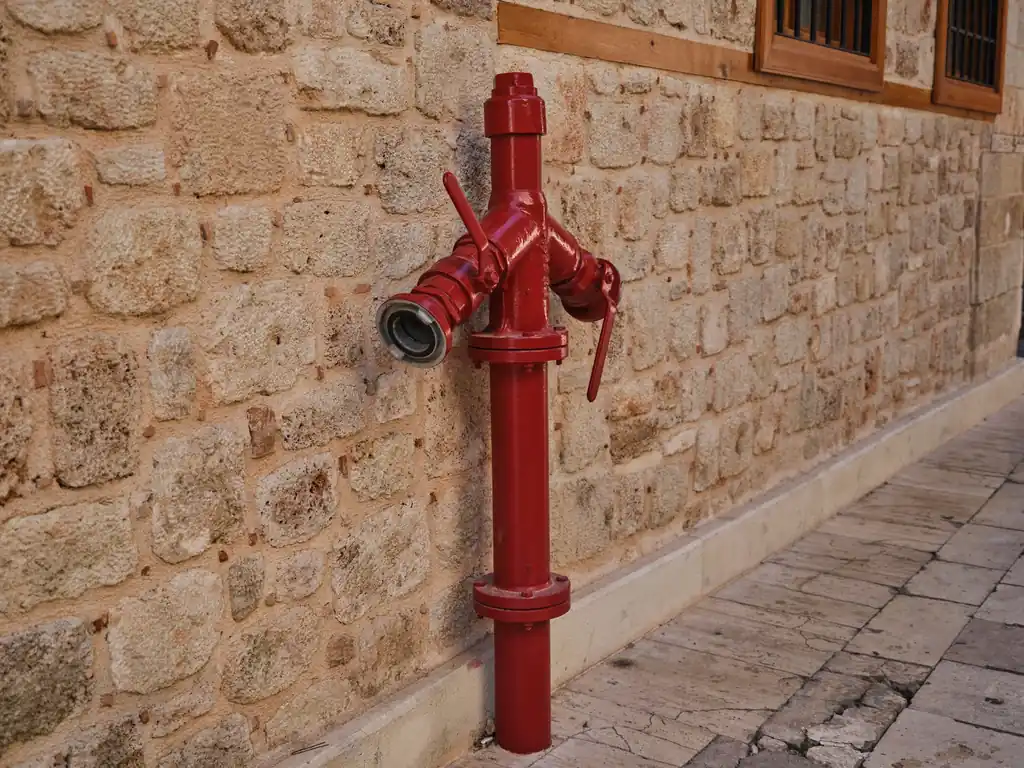
Pulls the bulk of standing attic water fast, 20 to 40 gallons on a typical job, without hauling heavy equipment up a ladder.
Fits into tight truss bays and low-clearance corners where the truck unit cannot reach. We carry two on every attic call.
Pumps deep standing water out of a flooded attic before we switch to extraction wands and absorbent pads.
Shows us wet framing behind finished drywall and traces the water path from the roof leak to the ceiling stain below.
Gives us hard numbers on wood moisture content and attic humidity. We check readings daily and pull equipment only when the wood is dry.
Pull moisture out of the air so the framing dries instead of staying damp. Sized for attic volume, not a basement.
Cleans up the last shallow puddles and wet debris after the extractor and pump have done their job.
The industry standard for water damage and drying. It tells us how to classify the water, how much drying equipment to set, and when the structure is officially dry. We document every job against it.
We scan the attic and the ceiling below with an infrared camera to find wet zones you cannot see. It catches water that traveled along joists into a room far from the leak.
We take moisture meter and hygrometer readings every day of the dry-down. When the numbers stop moving, the equipment comes out. No guessing, no leaving fans running for a week.
Affected framing and sheathing get treated with an antimicrobial solution after extraction. It stops mold from colonizing wet wood while the dry-down is still in progress.

We shut the water off, pump the attic with a truck-mounted extractor, remove wet insulation, and set dehumidifiers and air movers for a three-day dry-down. The ceiling stays intact, the framing dries to normal, and you have documentation for your insurance claim.
We extract the standing water, bag the wet insulation, treat the framing with antimicrobial solution, and dry the attic with air movers and a dehumidifier. No mold, no rot, and a clear report on where the roof failed so your roofer can fix it before the next storm.
We extract the water, dry the platform and framing, clear the drain line, and check the ceiling cavity with a moisture meter to see how far the water traveled. The attic dries in two to three days and the ceiling stain stops spreading, so paint will hold.
We climb the attic with a thermal imaging camera and moisture meter, trace the source, extract the water, and dry the affected area. You know exactly what failed, the attic is dry, and you have a scope to hand your adjuster.
Rocky Mount sits in Nash County, where the weather swings hard. October brings the tail end of hurricane season, and wind-driven rain pushes under shingles and through ridge vents. By January, a hard freeze can split a copper supply line running through an unconditioned attic, and you wake up to water dripping through the ceiling. Summer is the other extreme: attic temperatures climb past 130 degrees, which changes how we size dehumidifiers and how fast we can safely work up there. Older homes in Mill Village and Downtown Rocky Mount often have original roof decks and minimal attic ventilation, so moisture lingers longer. Newer builds in Cobblestone and Stoneybrook tend to have tighter envelopes, which means a small leak spreads further before you notice. We work to the ANSI/IICRC S500 Standard on every job and document moisture readings for your insurance claim. If you need attic water extraction in Rocky Mount NC near me, call and we will tell you when a crew can be there.
Older homes with original roof decks and tight attic access. We bring portable extraction units that fit through small scuttle holes.
A mix of mid-century homes where attic HVAC units are common. Condensate pan overflows are a frequent call here.
Newer construction with tight building envelopes. Small roof leaks travel further before a ceiling stain shows up.
Tree cover and older roofs mean storm-driven leaks after heavy rain. We see a spike in calls after every hurricane season.
More rural lots with well pumps and outbuildings. Freeze events split attic supply lines here more often than in town.
Rain pushes sideways under shingles and through ridge vents, soaking insulation before you see a ceiling stain. We extract and dry fast to beat mold.
A frozen copper line can dump 20 to 40 gallons into the attic before you notice. We shut the water off, pump it out, and dry the framing.
Extreme heat changes drying math and limits how long crews can safely work. We stage the job to get extraction done early and set equipment for the long dry-down.
Damp air slows drying and feeds mold. We run dehumidifiers longer here than in drier climates and check moisture readings daily.
A January freeze split a copper supply line over the attic. Water soaked two truss bays and the insulation around them, and a brown stain spread across the bedroom ceiling below.
We pumped 32 gallons, removed 180 square feet of wet insulation, treated the framing, and dried the attic in three days. Final moisture readings were back to normal and the ceiling stain stopped spreading.
Maintenance: Keep the attic supply lines insulated and let a faucet drip during hard freezes. Check the ceiling below after any cold snap for new stains.
Wind-driven rain pushed under shingles near the ridge and soaked the OSB sheathing and blown insulation across one side of the attic. The homeowner smelled mustiness in an upstairs closet.
We extracted the standing water, bagged 220 square feet of wet insulation, treated the sheathing with antimicrobial solution, and ran dehumidifiers for four days. The musty smell was gone and the roof deck read dry.
Maintenance: Have the roof inspected after every hurricane season. Replace any missing shingles before the next storm and keep ridge vents clear.
A clogged condensate pan overflowed for weeks in a newer home. The attic platform and surrounding framing were soaked, and a faint ring appeared on the ceiling below the unit.
We extracted the water, dried the platform and framing in two days, and cleared the drain line. The ceiling ring stopped spreading and the drywall did not need replacing.
Maintenance: Pour a cup of vinegar down the condensate drain every spring and fall. Check the pan monthly during cooling season.
Attic water is sneaky. It hides above the ceiling, soaks into insulation, and shows up as a stain in a room you never connected to the roof. Here are the problems we see most in Rocky Mount attics.
Water travels along joists and shows up two rooms away from the actual leak. Paint over it and it comes back within weeks, usually worse. We trace the water path with a thermal imaging camera, extract at the source, and dry the whole cavity. Once the framing reads dry on a moisture meter, the stain stops spreading and paint will hold.
Wet fiberglass and cellulose insulate poorly and hold moisture against the wood. Left in place, they feed mold and rot the rafters from the inside out. We remove saturated insulation, bag it, and treat the framing with antimicrobial solution. Dry sections stay put, which keeps your replacement cost down and your attic insulated.
That smell is mold colonizing wet OSB or drywall. It spreads into bedrooms and closets, and it gets worse every humid Rocky Mount summer. We find the moisture source, extract the water, and run dehumidifiers until the framing is dry. If mold has already started, we treat it under the ANSI/IICRC S500 Standard and document it for your claim.
A ceiling holding attic water weighs hundreds of pounds more than it should. It can crack, bow, or come down without warning, especially over a bed or living room. We pump the water out fast to take the load off, relieve the sag, and dry the drywall and joists. If the board is too far gone, we tell you straight and quote the replacement.
$450 - $1,800 depending on scope
Typical 2026 pricing for attic water removal Rocky Mount jobs runs $450 to $1,800. A small roof leak with one wet truss bay sits at the low end. A burst pipe that soaked insulation across half the attic, plus ceiling drywall below, lands at the top. Emergency after-hours calls add a dispatch fee. We give you a range on the phone before we roll, and the written scope matches what we quoted.
Catching attic water early is the cheapest option you have. A $600 extraction now beats a $6,000 attic rebuild and mold remediation later. We document everything for your insurance claim so more of the cost goes back to you.
A few gallons in one truss bay is a quick pump-out. Thirty-plus gallons across the attic takes longer, uses more equipment, and costs more to dry.
The more insulation and framing that got wet, the more material we remove and the longer the dry-down runs. We measure it in square feet, not guesswork.
Blown cellulose and fiberglass batts that are fully saturated have to come out. Dry sections stay, which keeps your replacement cost down.
A clean roof leak is straightforward. Sewage backup or contaminated water needs dedicated equipment and antimicrobial treatment, which adds cost.
A 2 a.m. pipe burst call carries an emergency dispatch fee. We tell you the number on the phone before we send a truck.
If the ceiling below has sagged or cracked, drywall repair and paint are a separate line item. We quote it up front so there are no surprises.

Our technicians hold IICRC WRT (Water Restoration Technician) and IICRC ASD (Applied Structural Drying) certifications, and we work to the ANSI/IICRC S500 Standard on every job. That matters in an attic, where the drying math is different from a basement. Low airflow, extreme heat in summer, and tight framing change how fast wood dries. We have pulled water out of Rocky Mount attics after hurricanes, ice storms and 2 a.m. pipe bursts, and we know how Nash County roof decks behave when they get soaked.

A pipe burst in our attic during that January freeze and water was dripping through the ceiling by morning. Water Recovery Network had a crew here in about an hour. They pumped the attic, pulled the wet insulation, and set dehumidifiers for three days. The ceiling stain never spread past the original spot. Worth every penny.
We had a roof leak after a storm that soaked two truss bays. They used a thermal camera to show me exactly where the water had traveled, which I never would have found on my own. Extraction took about three hours and the dry-down was four days. They wrote everything up for my insurance adjuster.
An HVAC condensate pan overflowed in the attic of one of my rentals and the tenant called me panicking. The crew was professional, explained the process, and had the attic dry in three days. They also told me the drain line needed clearing, which my HVAC guy fixed. No mold, no drama.
Most attic water extraction jobs in Rocky Mount run $450 to $1,800 in 2026, depending on how much water is up there and how far it spread. A small roof leak with one wet truss bay sits at the low end. A burst pipe that soaked insulation across half the attic, plus ceiling drywall below, lands at the top. Emergency after-hours calls add a dispatch fee. We give you a range on the phone before we roll.
Four causes cover almost every attic we open: a roof leak after a storm, a pipe burst in a freeze, an HVAC leak from a clogged condensate pan, and wind-driven rain through a ridge vent or soffit. Rocky Mount gets all four. Summer thunderstorms drive rain sideways under shingles, and winter freezes split copper supply lines that run through unconditioned attic space. A moisture meter tells us which one you have.
Extraction itself takes two to four hours on a typical Rocky Mount attic. The dry-down is the longer part: two to four days with air movers and a dehumidifier running. We check moisture readings daily and pull the equipment once the framing is back to normal. If insulation has to be removed and replaced, add half a day for the swap.
We do. Water Recovery Network answers the phone 24/7 and dispatches attic water removal crews across Rocky Mount, from Downtown and West Haven to Northgreen and Cobblestone. Call +1 (252) 385-6067 and we will give you a price range, then get a truck headed your way, usually within 60 to 90 minutes.
Not seeing your question? Our local team can help you understand urgency, scheduling and what to expect.
Ask the local team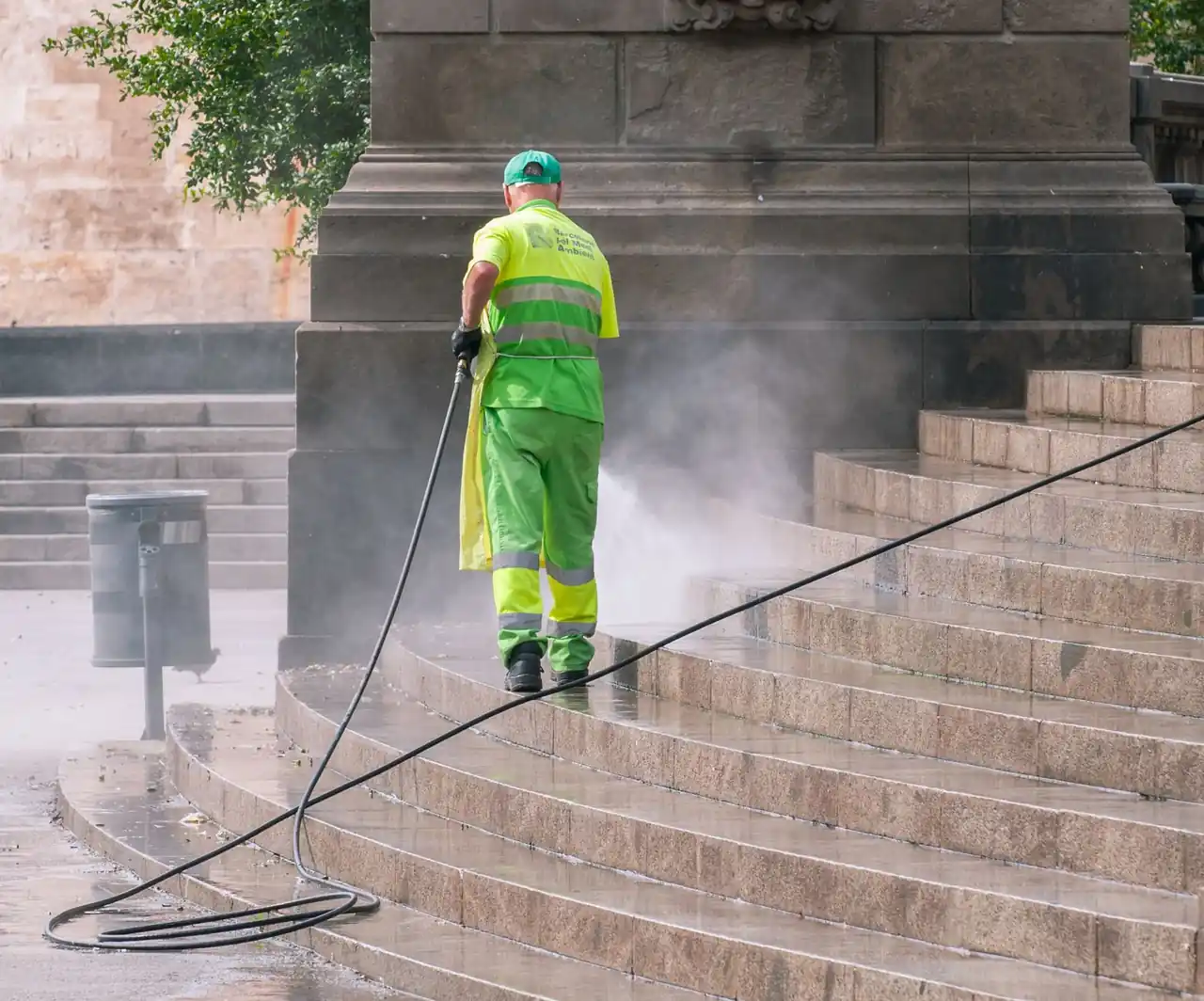
When attic water is still pouring through a ceiling, our emergency water extraction crew stops the source and pumps the standing water before it reaches the floor below. We run 24/7 across Rocky Mount and Nash County.
View service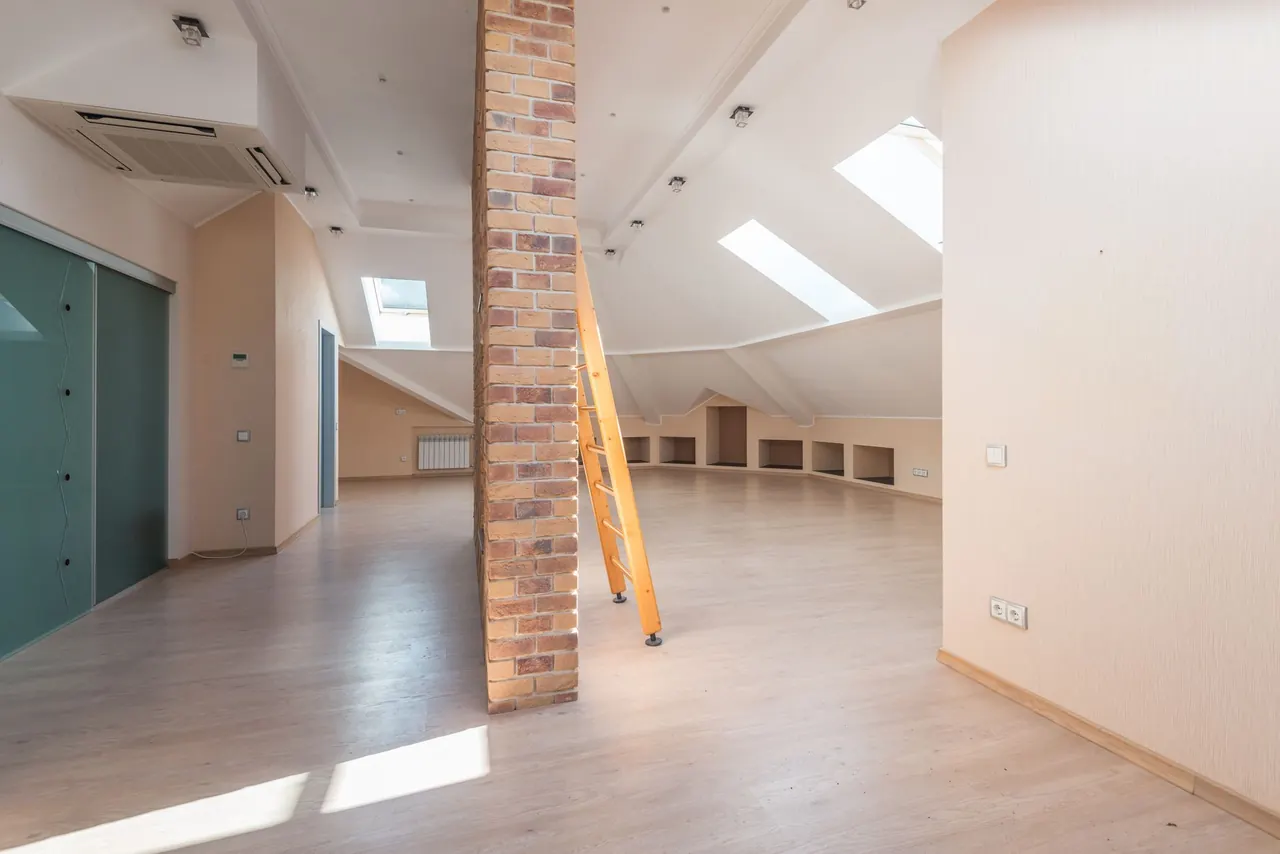
Attic water rarely stays in the attic. Our 24/7 water damage restoration team handles the full chain, from the wet rafters down through ceiling drywall, wall cavities and flooring, so nothing gets missed after a roof leak or pipe burst.
View service
A burst pipe or storm can hit the attic and the basement in the same event. We pump flooded basements with truck-mounted extractors and submersible pumps, then dry the space with dehumidifiers and air movers.
View service
Call at 2 a.m. and our emergency water removal crew is dispatched. We carry portable extraction units and wet/dry vacuums that fit attic truss bays, and we document everything for your insurance claim.
View service
Our line is answered 24/7, and we dispatch crews day and night across Rocky Mount and Nash County. Call and we will ask a few questions about the source and the rooms affected, then give you a real arrival window. If you are not sure whether you need extraction, call anyway - we will tell you straight.