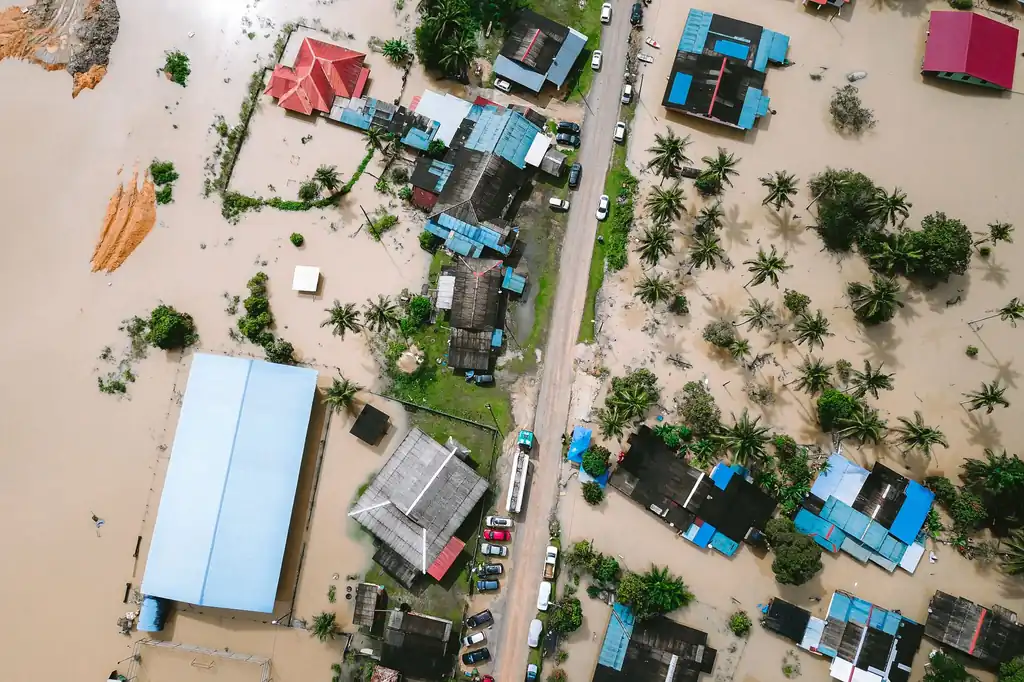
How to remove standing water from a flooded basement safely
Standing water in your Rocky Mount basement is a safety hazard. Here's how to remove it safely, what equipment you need, and when to call a pro.
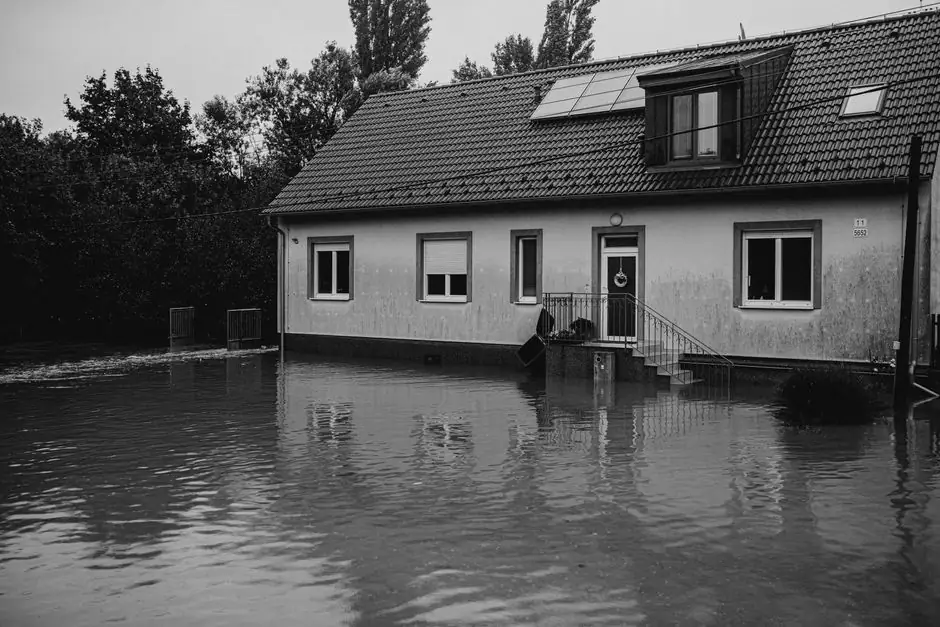
To remove standing water from a flooded basement safely, first cut the power at the breaker, then pump the water out in stages using a submersible pump or wet/dry vacuum, and dry the space within 24-48 hours to prevent mold. Never wade into standing water without confirming the electricity is off and wearing rubber boots and gloves. This guide walks you through the exact steps we use on emergency calls in Rocky Mount, plus the equipment, the dangers, and when it's time to call a pro.
Why standing water in a Rocky Mount basement is dangerous
Standing water in a Rocky Mount basement is dangerous because it can carry live electrical current, hide sharp debris, and begin growing mold within 24 to 48 hours. The risk isn't just the water itself - it's what the water is touching.
In Rocky Mount, we see two main culprits: the Tar River and Stony Creek backing up during heavy rain, and aging clay drain tiles that collapse after decades of root intrusion. When the ground is already saturated, water finds the path of least resistance - your basement floor drain, your sump pit, or a hairline crack in the foundation wall.
Here's what makes it dangerous:
- Electrocution: Water and electricity don't mix. If your sump pump, furnace, or water heater is sitting in standing water, that water can be energized.
- Structural collapse: Saturated soil pushes against foundation walls. A basement full of water adds hydrostatic pressure from the inside, too.
- Biological hazards: Floodwater often contains sewage, chemicals, and bacteria. If the water came from a sewage backup, it's Category 3 - grossly contaminated.
- Mold growth: Mold can start colonizing wet drywall, carpet, and wood within 24 hours. By 48 hours, you're looking at a much bigger remediation job.
If you're dealing with a flooded basement right now, the clock is ticking. Our team handles emergency water removal Rocky Mount calls 24/7, and we've seen firsthand how fast a small leak turns into a five-figure repair.
How do I safely remove standing water from my basement in Rocky Mount?
You safely remove standing water from a basement in Rocky Mount by shutting off power at the main breaker, wearing protective gear, and pumping the water out slowly rather than all at once. The slow approach matters because draining too fast can cause the basement walls to crack from sudden pressure changes.
Before you touch anything, do this:
- Turn off the electricity. Go to your main breaker panel - if it's in the basement, don't step in the water. Call an electrician or the power company if you can't safely reach it.
- Shut off the gas if you smell gas or if the water level is near any gas appliances.
- Put on protective gear. Rubber boots, waterproof gloves, and eye protection. If the water is contaminated, add an N95 mask.
- Ventilate. Open windows and set up fans - but only after the power is confirmed off.
- Remove floating debris with a pool skimmer or rake before it clogs your pump.
Once the area is safe, you can start pumping. We use a submersible pump for anything over 2 inches of water and a wet/dry vacuum for the last inch. Pump the water to a safe discharge point - a floor drain, a utility sink, or outside away from the foundation. Never pump into a septic system; you'll overload it.
If the water is more than a few inches deep or covers more than 100 square feet, that's usually a sign you need professional standing water extraction Rocky Mount. We bring truck-mounted pumps that move 50-100 gallons per minute, which is 10-20 times faster than a typical shop vac.
What equipment is needed to remove standing water in Rocky Mount?
The equipment needed to remove standing water in Rocky Mount depends on the water depth, the source, and how much of your basement is affected. For a small puddle, a wet/dry vacuum and a few towels will do. For a flooded basement, you need pumps, hoses, and drying equipment.
Here's the basic kit:
- Submersible pump: A 1/3 to 1/2 HP pump moves about 30-50 gallons per minute. Expect to pay $80-$200 for a decent one in 2026.
- Discharge hose: 25-50 feet, sized to match your pump's outlet. A 1.5-inch hose is standard for most residential pumps.
- Wet/dry vacuum: A 6-12 gallon shop vac handles the last inch of water and any debris.
- Extension cords: Heavy-gauge, outdoor-rated. Never use a standard indoor cord near water.
- Rubber boots and gloves: Non-negotiable. We've seen too many homeowners try to do this in sneakers.
- Fans and dehumidifiers: After the water is gone, you need airflow. A standard box fan won't cut it - you need a commercial dehumidifier that can pull 30-50 pints per day.
For anything beyond a small puddle, the drying phase is where most DIY efforts fall short. You can pump the water out in an afternoon, but if the drywall, carpet, and subfloor stay wet, you'll have mold within a week. That's why we pair every pump-out with structural drying and dehumidification Rocky Mount - it's the difference between a dry basement and a mold problem.
Step-by-step: how to drain a flooded basement in Rocky Mount
Draining a flooded basement in Rocky Mount follows a specific sequence: safety first, then water removal, then drying, then damage assessment. Skipping a step usually means doing the whole job twice.
Step 1: Confirm the power is off
If your breaker panel is in the basement and the floor is wet, don't go down there. Call an electrician or the utility. If the panel is upstairs, flip the main breaker and verify with a non-contact voltage tester before you step into the water.
Step 2: Identify the water source
Is it a burst pipe, a sump pump failure, a sewage backup, or groundwater? The source determines the safety level. Sewage backup water is Category 3 - you need full PPE and professional disinfection. Clean water from a supply line is Category 1 and much easier to handle.
Step 3: Pump the water out in stages
Start with the deepest area. Pump down about 2-3 feet, then stop and let the walls equalize for a few hours. Repeat until the water is below the pump intake. This staged approach prevents foundation cracks.
Step 4: Remove saturated materials
Carpet, padding, and drywall that's been wet for more than 48 hours usually needs to go. We use moisture meters to check - anything above 16% moisture content in wood framing is a problem.
Step 5: Dry the space
Set up commercial dehumidifiers and air movers. In Rocky Mount's humid climate, a wet basement can stay damp for weeks without mechanical drying. Aim for 30-50% relative humidity.
Step 6: Disinfect and assess
If the water was contaminated, disinfect all surfaces with an EPA-registered antimicrobial. Then check for structural damage - bowed walls, cracked floor slabs, or sagging joists.
If you're in an older home - and a lot of Rocky Mount's housing stock dates back to the 1920s through the 1960s - the foundation and drainage systems weren't built for the rainfall we've seen in recent years. We handle basement flood cleanup Rocky Mount for everything from minor seepage to full-scale flooding, and we can usually tell within 15 minutes whether your basement needs a pump-out or a full remediation.
Common mistakes that make basement flooding worse
The most common mistake homeowners make is pumping water out too fast. It seems counterintuitive - you want the water gone - but rapid drainage can cause the basement walls to crack or the floor to heave.
Other mistakes we see on nearly every call:
- Entering the water before killing the power. This is the one that gets people hurt. If you're not sure the power is off, stay out.
- Using a shop vac on deep water. A wet/dry vacuum is for the last inch, not for a foot of water. You'll burn out the motor.
- Pumping into the yard right next to the foundation. The water just comes right back in. Discharge at least 10-15 feet away, downhill if possible.
- Skipping the drying phase. Pumping out the water is half the job. If you don't dry the structure, mold will follow.
- Not documenting the damage. Take photos and video before you move anything. Your insurance adjuster will want them.
- Assuming it won't happen again. If your basement flooded once, it will flood again unless you fix the underlying drainage issue.
We've seen homeowners in Rocky Mount spend a weekend pumping out a basement, only to have it flood again the next time a storm rolled through. The fix isn't more pumps - it's addressing the grading, the gutters, and the foundation drainage.
When to call a professional for flooded basement water removal in Rocky Mount
Call a professional when the water is deeper than 2 inches, when it's contaminated, when you can't safely shut off the power, or when the flooding covers more than a small area. Those are the situations where DIY efforts typically cause more harm than good.Here's the rule we give homeowners: if you can't see the bottom of the water, or if you don't know where it came from, call us. We handle home water extraction Rocky Mount with truck-mounted equipment that removes hundreds of gallons in minutes, not hours.
We also handle the part most homeowners don't think about: the insurance claim. We document moisture readings, take photos, and provide the drying logs your adjuster needs. That paperwork is often the difference between a covered claim and a denied one.
If you're in the Rocky Mount area and your basement is flooded, don't wait. The longer the water sits, the more damage it does. Our team is available around the clock - we've pumped out basements in emergency water damage restoration Rocky Mount calls at 2 a.m. during Tropical Storm events, and we'll be there for yours.
Frequently Asked Questions
How do I safely remove standing water from my basement in Rocky Mount?
Shut off the main breaker first, then wear rubber boots and gloves. Use a submersible pump for water deeper than 2 inches and a wet/dry vacuum for the last inch. Pump slowly in stages to avoid cracking the foundation. Dry the space within 24-48 hours with commercial dehumidifiers to prevent mold.
Is it dangerous to remove standing water yourself in Rocky Mount NC?
Yes, if the power isn't off or the water is contaminated. Electrocution and sewage exposure are the top risks. If the water covers electrical outlets or comes from a sewage backup, call a professional. For clean water under 2 inches with the power off, DIY is reasonable.
What equipment is needed to remove standing water in Rocky Mount?
You need a submersible pump (1/3-1/2 HP), a discharge hose, a wet/dry vacuum, heavy-gauge extension cords, rubber boots, gloves, and commercial dehumidifiers. For contaminated water, add an N95 mask and antimicrobial disinfectant. Most homeowners rent the pumps and dehumidifiers.
Who should I call for flooded basement water removal in Rocky Mount?
Call a licensed water damage restoration company with 24/7 availability and truck-mounted extraction equipment. Water Recovery Network serves Rocky Mount and surrounding areas. We handle pump-out, drying, disinfection, and insurance documentation in one visit.
Get help with Emergency Water Extraction in Rocky Mount
If your basement is flooded and you need it dry fast, call Water Recovery Network at +1 (252) 385-6067. We're available 24/7 for emergency water extraction in Rocky Mount and the surrounding areas.
We'll pump out the water, dry the structure, and document everything for your insurance claim. One call, and we handle the rest.