Why is my basement flooding after heavy rain in Rocky Mount
Rocky Mount's clay soil and 40-plus inches of annual rain push water against your foundation. Here's why your basement floods after storms and how to stop it.
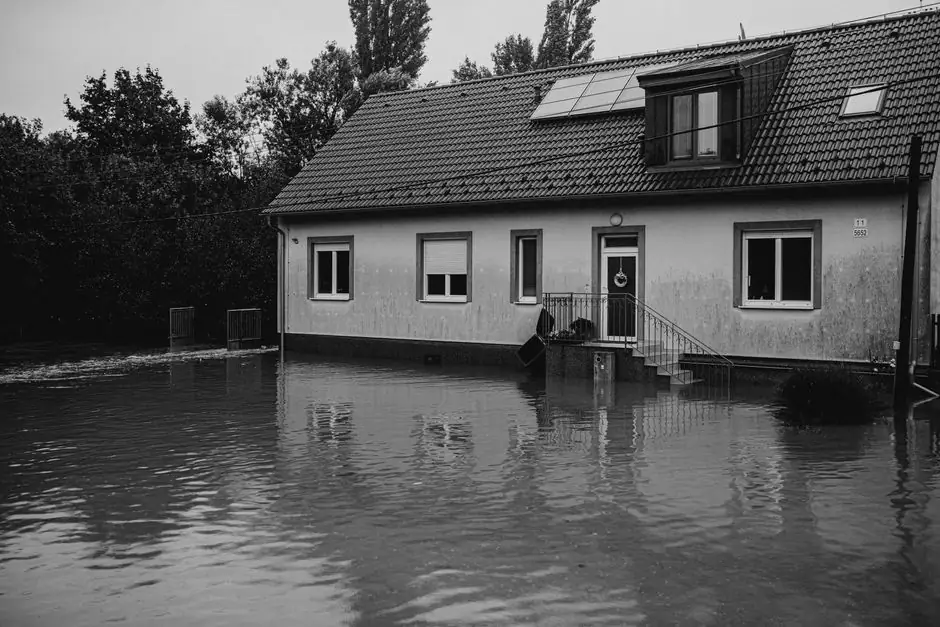
Your basement is flooding after heavy rain in Rocky Mount because water is finding a path through or around your foundation faster than your drainage system can move it away. The three most common culprits are hydrostatic pressure from saturated clay soil, a failed or undersized sump pump, and cracks or deteriorated mortar in the foundation itself. Rocky Mount gets roughly 44 inches of rain a year, and when a storm drops 2 to 3 inches in a few hours, the ground simply cannot absorb it fast enough.
This guide walks through the specific reasons basements flood in this part of Nash and Edgecombe County, what you can check yourself in the first hour, and when it is time to bring in a professional water extraction crew.
The Short Answer: Why Basements Flood After Heavy Rain in Rocky Mount
Basement flooding after heavy rain in Rocky Mount is a drainage problem first and a waterproofing problem second. Water pools against your foundation, builds pressure under the slab, and pushes through the path of least resistance - a floor crack, a cove joint, a window well, or a sump pit that cannot keep up.
Why is my basement flooding after heavy rain in Rocky Mount is a question that usually has one of four answers: the soil around your foundation is holding water, your sump pump has failed or is too small, your gutters and grading are sending water toward the house instead of away, or your foundation has an opening that was always there but never saw this much water before. In many homes we inspect, it is two or three of those stacked together.
If you are dealing with standing water right now, the priority is getting it out before it wicks into drywall and framing. Our team handles emergency water removal Rocky Mount around the clock, and we can usually be on-site within 60 to 90 minutes of your call.
How Rocky Mount's Soil and Storm Patterns Drive Water Into Basements
Rocky Mount sits on a mix of clay-heavy soil and sandy loam, and that clay layer is the root of most basement water problems here. Clay absorbs water slowly and holds it, so after a sustained rain the ground around your foundation becomes a saturated sponge that keeps pushing water inward for hours or even days after the storm passes.
Our storm pattern makes it worse. Late summer and fall bring tropical moisture up from the coast, and a single system can drop 3 to 5 inches in an afternoon. The Tar River and its tributaries rise, the water table lifts, and basements that stayed dry all spring suddenly take on water.
Homes in older Rocky Mount neighborhoods - the ones built before modern drainage codes - are especially vulnerable. Many were constructed with minimal footing drains, and the original clay tile lines have long since collapsed or filled with roots.
We see this pattern repeat across the region, from the older mill-era homes near downtown to the newer subdivisions off Sunset Avenue. Homeowners dealing with basement flood cleanup Rocky Mount often tell us the same thing: it was fine for years, then one storm changed everything.
Common Causes of Basement Flooding in Rocky Mount
Common causes of basement flooding in Rocky Mount fall into four categories: water coming through the foundation, water coming up through the floor, water coming in from failed plumbing or appliances, and water that should have been pumped out but was not.
Hydrostatic Pressure and Foundation Cracks
When the soil around your foundation is saturated, water exerts pressure against the walls and floor. That pressure - hydrostatic pressure - is relentless. It finds hairline cracks in poured concrete, deteriorated mortar joints in block foundations, and the cove joint where the wall meets the floor.
A crack the width of a credit card can let in several gallons per hour under pressure. If you see a thin line of water seeping across your floor after a storm, that is almost always hydrostatic pressure at work.
Sump Pump Failure or Undersized Capacity
A sump pump that ran fine last year can fail during the storm that matters most. Power outages are common during Rocky Mount thunderstorms, and a pump without battery backup stops the moment the lights go out. Pumps also fail from stuck floats, clogged intakes, and burned-out motors after years of service.
Even a working pump can be undersized. A 1/3 horsepower pump moving 30 gallons per minute may not keep up with a 2-inch-per-hour rain on a saturated lot. We replace or supplement pumps regularly for homeowners who have dealt with sump pump failure water removal Rocky Mount more than once.
Poor Grading, Gutters, and Downspouts
Water that should be leaving your property is instead pooling against your foundation. This happens when gutters clog, downspouts discharge within 2 or 3 feet of the house, or the grade slopes back toward the foundation instead of away from it.
The fix is simple and cheap: extend downspouts 6 to 10 feet from the foundation, keep gutters clear, and add soil to create a slope of about 6 inches over the first 10 feet. That alone solves a surprising number of basement water problems.
Window Wells, Stairwells, and Other Openings
Basement windows, exterior stairwells, and dryer vents sit below grade. If they are not properly sealed or drained, water pours in during a heavy rain. A clogged window well drain turns the well into a small swimming pool that overflows into your basement.
Plumbing and Appliance Failures During Storms
Sometimes the flood is not from rain at all. A storm can trigger a power surge that damages a sump pump, or the rain itself can overwhelm a sewer line and cause a backup. Water heaters, washing machine hoses, and HVAC condensate lines also fail during the stress of a storm.
If the water in your basement is dark or smells like sewage, stop and call a professional. That is a contaminated water situation, and it needs different handling than a clean rain-water flood. We handle sewage backup water removal Rocky Mount with full containment and disinfection.
What to Do When Your Basement Floods After a Storm in Rocky Mount
What to do when your basement floods after a storm in Rocky Mount comes down to safety first, then speed. Every hour that water sits increases the damage to your floors, walls, and belongings.
- Check for electrical hazards. If water is near outlets, the panel, or appliances, do not wade in. Cut power at the breaker only if you can reach it safely from a dry location.
- Photograph everything. Take wide shots and close-ups of the water line, damaged items, and any visible cracks. Your insurance adjuster will want these.
- Shut off the water source if it is plumbing-related. If the flood is from a burst pipe or failed appliance, close the main valve.
- Remove what you can. Get cardboard, fabric, and electronics off the floor. Anything porous that soaked up contaminated water should be discarded, not dried.
- Call for professional extraction. A wet/dry shop vac moves maybe 5 to 10 gallons before you have to empty it. Truck-mounted extraction units pull hundreds of gallons and reach the water under your slab and inside wall cavities.
Do not run a household dehumidifier and call it done. A standard residential dehumidifier pulls 30 to 50 pints per day. A flooded basement needs 100-plus pints per day of drying capacity plus air movers to dry wall cavities and framing. That is why we bring commercial-grade structural drying and dehumidification Rocky Mount equipment to every flooded basement job.
How to Stop Basement Flooding After Heavy Rain in Rocky Mount
How to stop basement flooding after heavy rain in Rocky Mount starts with moving water away from the house, then sealing and pumping what still gets through.
Exterior Water Management
- Clean gutters twice a year - spring and late fall.
- Extend downspouts 6 to 10 feet from the foundation.
- Regrade the soil so it slopes away from the house at roughly 6 inches over 10 feet.
- Clear window well drains and install covers if yours are open.
- Consider a French drain or curtain drain if your yard holds water after every storm.
Interior Water Management
- Install or upgrade to a 1/2 horsepower sump pump with a battery backup.
- Add a second pump in a separate pit if your basement is large or your water table is high.
- Seal floor cracks and the cove joint with hydraulic cement or epoxy injection.
- Keep a water alarm near the sump pit and low spots.
Foundation Repair
If you have structural cracks, bowing walls, or a failing footing drain, waterproofing alone will not solve it. Crack injection, carbon fiber straps, or a full drainage membrane may be needed. We can identify the water source and recommend the right fix, but for structural repair we will point you to a licensed foundation contractor.
For homes that have taken on serious water - 6 inches or more, or repeated floods - the restoration scope is larger. We handle major water damage repair Rocky Mount including drywall removal, subfloor drying, and mold prevention.
Common Mistakes Rocky Mount Homeowners Make With Basement Water
The most expensive mistake is waiting. Water wicks into drywall within 24 hours and mold can start growing in 48 to 72 hours. By the time you smell that musty odor, you are looking at a much bigger repair.
Other mistakes we see regularly:
- Assuming it will not happen again. If your basement flooded once after a heavy rain, it will flood again. The conditions that caused it have not changed.
- Only drying the visible water. Water travels under baseboards, into wall cavities, and beneath flooring. If you do not dry the hidden spaces, you get mold.
- Using a shop vac as the only tool. It removes surface water but does nothing for the moisture trapped in materials.
- Ignoring the sump pump until it fails. Test your pump every few months by pouring a bucket of water into the pit. If it does not kick on and drain quickly, replace it before the next storm.
- Not documenting for insurance. Take photos and keep receipts. Most homeowners policies cover sudden water damage from storms but not gradual seepage.
When to Call a Professional for Basement Flooding in Rocky Mount
Call a professional when the water is more than an inch deep, when it covers more than a small area, when it smells like sewage, or when it has been sitting for more than a few hours. Those conditions mean hidden moisture, potential contamination, and a real risk of mold.
Water Recovery Network handles basement flooding across Rocky Mount and the surrounding areas. We extract the water, dry the structure, and treat for mold risk so you are not dealing with a second problem three weeks later. If your basement has flooded before, we can also help you figure out why so it does not keep happening.
We work directly with most homeowner insurance carriers and provide documentation for your claim. You get upfront pricing before we start, and we do not leave until the moisture readings are back to normal.
Frequently Asked Questions
Why is my basement flooding after heavy rain in Rocky Mount?
Hydrostatic pressure from saturated clay soil pushes water through foundation cracks, cove joints, and floor seams. Failed or undersized sump pumps, clogged gutters, and poor grading make it worse. Rocky Mount's 44 inches of annual rain and tropical storm systems overload drainage that was fine in drier years.
How do I stop my basement from flooding in Rocky Mount NC?
Move water away from the foundation first: clean gutters, extend downspouts 6 to 10 feet, and regrade soil to slope away. Then seal cracks, install a 1/2 HP sump pump with battery backup, and test it every few months. For recurring floods, a French drain or interior drainage system is usually needed.
Does heavy rain cause basement flooding in Rocky Mount?
Yes. When 2 to 3 inches of rain falls in a few hours, the clay soil cannot absorb it fast enough. Water pools against foundations and lifts the water table, forcing water into basements through any available opening. The Tar River basin is especially prone to this after tropical systems.
Who should I call for basement flooding in Rocky Mount NC?
Call a professional water extraction company that handles emergency response, structural drying, and mold prevention. Water Recovery Network serves Rocky Mount 24/7 at +1 (252) 385-6067. We extract standing water, dry the structure, and document everything for your insurance claim.
Will my homeowner's insurance cover basement flooding from rain?
Most policies cover sudden water damage from storms, including basement flooding, but exclude gradual seepage or long-term leaks. Document the damage with photos, keep receipts, and call your adjuster promptly. We provide moisture readings and a written scope to support your claim.
Get Help With Emergency Water Extraction in Rocky Mount
Standing water in your basement gets worse by the hour. We extract it, dry the structure, and help you prevent the next flood.
Call Water Recovery Network at +1 (252) 385-6067 for 24/7 emergency response in Rocky Mount and surrounding areas.