Focused arrival windows
Useful updates and clear arrival timing.

Carpet Water Extraction Rocky Mount NC is what we do when a pipe bursts, a toilet overflows, or a storm pushes water through your door. Our trucks carry truck-mounted extractors, submersible pumps, and drying equipment, so we start pulling water the same hour we arrive. If your carpet is soaked in Nash County, call and we will get it dry.
Useful updates and clear arrival timing.
Review the approach and price before deciding.
Equipped vehicles and respectful cleanup.
Neighbors serving neighbors with follow-through.
Every carpet water extraction job starts with an inspection and ends with a moisture check. What we include depends on how wet the carpet, pad, and subfloor are, and whether the water was clean or contaminated. Here is what is standard on a Rocky Mount call.
We walk the affected area with a moisture meter and thermal imaging camera to find where the water traveled. We check baseboards, tack strips, and subfloor seams, then mark the wet zone so nothing gets missed. This step decides how we dry.
Our truck-mounted water extractor pulls water out of carpet and pad faster than a shop vac ever could. We use a weighted extraction tool to press the carpet down while the vacuum pulls, which gets water out of the pad instead of just the surface.
After extraction, we apply an antimicrobial solution to the affected carpet and pad. This slows mold growth while the floor dries. If the water was Category 3 sewage, we remove the pad and treat the subfloor instead.
We position air movers to push air across the carpet and a dehumidifier to pull moisture out of the room. For hardwood or tight spaces, we may use a floor drying mat system or a desiccant dehumidifier. Equipment stays until the floor hits a dry standard.
We come back every 24 hours with a moisture meter and hygrometer to log readings. If the pad or subfloor is drying slower than expected, we adjust equipment. You get the readings in writing at the end of the job.
We photograph the damage, log moisture readings, and write the scope in Xactimate. Your adjuster gets a clean file that shows exactly what happened and what it takes to fix it. That is how claims move faster.
Share what is happening and receive a clear next step from the local team.
Carpet Water Extraction Rocky Mount NC is the process of pulling standing water and trapped moisture out of carpet fibers, the pad underneath, and the subfloor before mold, delamination, or a failed adhesive takes the floor out for good. We start with a moisture meter and a thermal imaging camera to map how far the water has traveled, then run a truck-mounted water extractor or a portable water extraction unit where the truck cannot reach. Weighted extraction tools press the carpet down while the vacuum pulls, which is how we get water out of the pad instead of just off the surface.
Most calls we run in Rocky Mount start the same way: a pipe burst behind a bathroom wall, a toilet overflow that soaked the hallway, or a sump pump failure during a fall storm. Water wicks up drywall, creeps under baseboards, and sits in the pad where you cannot see it. That hidden moisture is what turns a two-day dry-out into a full carpet replacement. If you are searching for emergency water removal from carpet Rocky Mount, we answer 24/7 and roll with the equipment already loaded.

You call, we ask three questions: where is the water coming from, how long has it been there, and is the source stopped. We dispatch a crew with a truck-mounted water extractor, submersible pump, and drying gear already loaded. Most Rocky Mount addresses see us within 60 to 90 minutes.
We walk the affected area with a moisture meter and a thermal imaging camera to find where the water traveled. Carpet hides water well. We check baseboards, tack strips, and the subfloor seam, then mark the wet zone so nothing gets missed.
We run a truck-mounted extractor for open areas and a portable water extraction unit for closets, stairs, and tight rooms. A weighted extraction tool presses the carpet down while the vacuum pulls, which gets water out of the pad. Standing water gets pulled with a submersible pump first.
We set air movers and a dehumidifier, sometimes a floor drying mat system for hardwood or a desiccant dehumidifier for closed rooms. Every 24 hours we come back with a moisture meter and hygrometer to log readings. Drying usually takes two to four days depending on how wet the pad and subfloor are.
We do not pull equipment until the carpet, pad, and subfloor read dry against a dry standard. You get a written summary with moisture readings and photos, plus the Xactimate scope for your adjuster. If any section of pad did not survive, we tell you straight and quote the replacement.
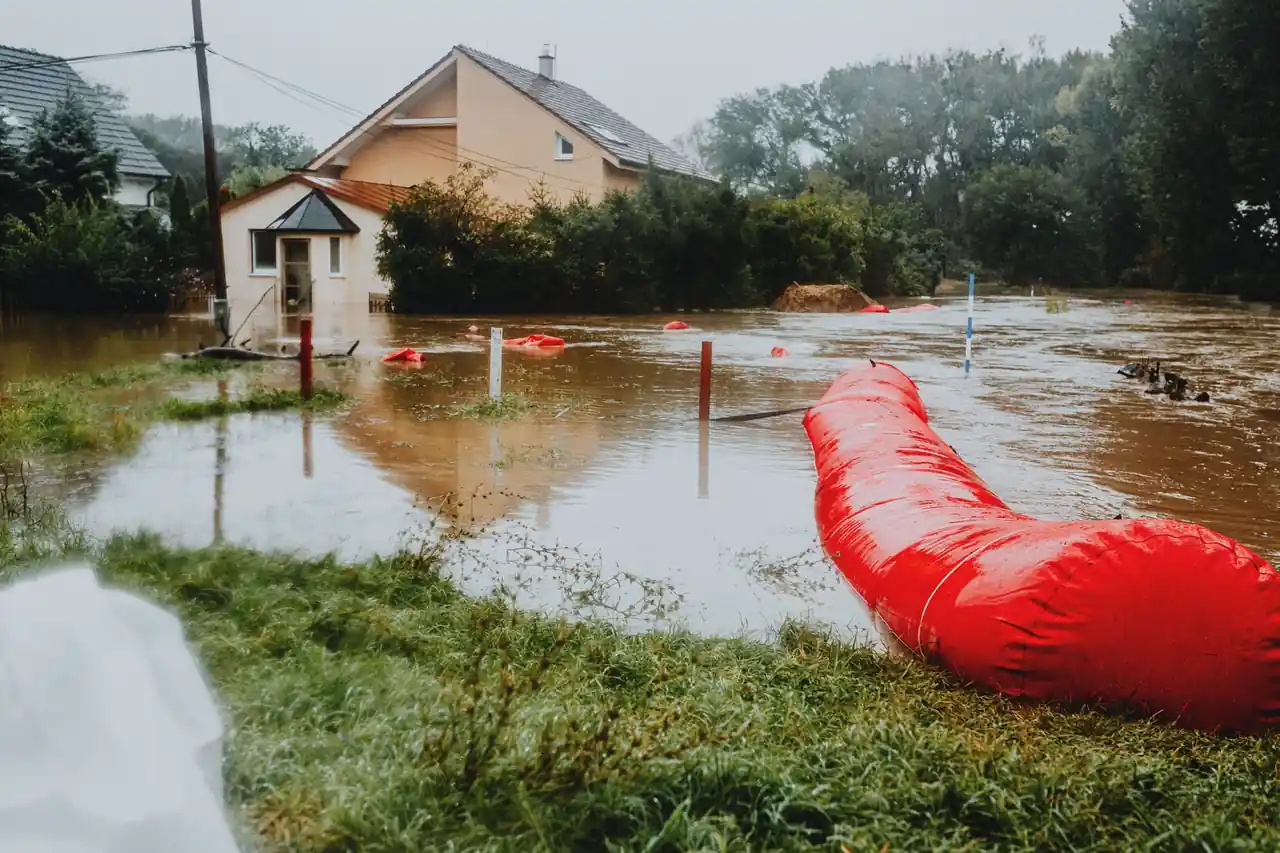
Pulls water out of carpet and pad at high volume. This is the workhorse for open rooms and hallways.
Reaches closets, stairs, and tight rooms where the truck hose cannot go.
Presses the carpet down while the vacuum pulls, which gets water out of the pad instead of just the surface.
Pulls standing water from a flooded basement or crawl space before carpet extraction starts.
Finds hidden wall water damage and traces where water traveled behind baseboards.
Measures moisture in carpet, pad, subfloor, and the air. We log readings every 24 hours.
Dries the carpet, pad, and subfloor after extraction. We use Dri-Eaz and Phoenix Restoration Equipment units.
Pulls moisture out of hardwood and subfloor without cupping the boards.
The industry standard for water damage drying. We follow it on every job: map the moisture, extract, dry, and verify with readings before we pull equipment.
We press a weighted tool down on the carpet while the extractor pulls. This gets water out of the pad, which is where most of it hides. It is the difference between dry carpet and a dry floor.
We come back every 24 hours with a moisture meter and hygrometer to log readings. If the pad or subfloor is drying slow, we add equipment. We do not guess.
We write the scope in Xactimate, the same software most insurance adjusters use. That means your claim file is clean and the adjuster can approve it without back-and-forth.

We dispatch a crew with a truck-mounted extractor and submersible pump. We shut off the water if needed, pull the standing water, extract the carpet and pad, and set drying equipment the same visit. Most hallway carpet dries in two to three days. The pad is saved if we get there within 48 hours.
We extract the water, remove the contaminated pad, apply an antimicrobial solution, and dry the subfloor. We check the closet and hallway with a moisture meter to see how far it spread. The subfloor dries in two to four days. You get a written scope for your insurance claim.
We pump the standing water first, then extract the carpet and pad. We set a dehumidifier and air movers, and we check the slab with a moisture meter before we call it dry. Basement carpet is usually dry in three to four days. We flag any foundation issues so the next storm does not do the same thing.
We pull the water with a portable extraction unit, dry the pad in place, and check the wall cavity with a thermal imaging camera. We also inspect the hose and shutoff valve so it does not happen again. Laundry room carpet dries in about two days. The pad is usually saved if the water was clean.
Rocky Mount sits in Nash County, and the weather here swings hard. Fall and winter bring the calls: pipe bursts from a hard freeze, roof leaks from a nor'easter, and sump pump failures after a heavy rain. Summer brings humidity that slows drying, which is why we run dehumidifiers longer here than crews do in drier parts of North Carolina. The housing stock matters too. Older homes near Downtown Rocky Mount and Mill Village often have original hardwood under the carpet, so we switch to a floor drying mat system instead of blasting heat. Newer builds in Stoneybrook and Sunset Acres usually have OSB subfloor that swells fast, so we check it with a moisture meter early. If you are searching for same-day carpet water extraction Rocky Mount NC, we dispatch from a local shop, not a call center two states away. We know ZIP codes 27801, 27803, and 27804, and we know which streets flood first.
Older homes with original hardwood under carpet. We use a floor drying mat system instead of high heat to avoid cupping the boards.
Tight lots and older plumbing. Pipe bursts are common in winter, and we often find hidden wall water damage behind baseboards.
Mix of older and newer builds. We check the subfloor early because OSB swells fast when a washing machine hose lets go.
Close to the water, so sump pump failures and crawl space water intrusion show up after heavy rain. We pump first, then extract.
Newer construction with OSB subfloor. Fast extraction matters here because the subfloor can swell within 24 hours.
Rocky Mount gets enough hard freezes to burst older pipes. When it happens, water dumps fast and soaks carpet before you notice. We keep crews on call for these nights.
Storms push water through roofs and doors. Roof leak water extraction is common after these events, and we coordinate tarp-over if the roof is still leaking.
High humidity means we run dehumidifiers longer to hit a dry standard. A job that dries in two days in a dry climate can take three or four here.
Many Rocky Mount homes have hardwood under carpet. We switch to a floor drying mat system and lower heat to protect the boards.
A pipe burst behind the bathroom wall at 11 p.m. and soaked the hallway carpet and pad. Water had been sitting for about six hours by the time the homeowner called. The pad was saturated and water had reached the subfloor seam.
We extracted the carpet and pad with a truck-mounted extractor, set air movers and a dehumidifier, and logged moisture readings for three days. The pad dried in place and the subfloor hit a dry standard on day three. No carpet replacement needed.
Maintenance: Keep the hallway below 60% relative humidity and check under the bathroom sink monthly for drips. If you see a ceiling water stain, call before it spreads.
A toilet overflowed overnight and soaked the bathroom carpet, closet, and part of the hallway. The water was Category 2, so the pad had to go. The subfloor was wet and starting to smell.
We extracted the standing water, removed the contaminated pad, applied an antimicrobial solution, and dried the subfloor with air movers and a dehumidifier. The subfloor hit a dry standard in three days. We documented everything for the insurance claim.
Maintenance: Replace the toilet flapper every two to three years and check the supply line for cracks. If the toilet runs on its own, fix it before it overflows again.
A fall storm knocked out power and the sump pump failed. The basement carpet was under two inches of standing water, and the pad was floating. Water had been sitting for about 10 hours.
We pumped the standing water with a submersible pump, extracted the carpet and pad, and dried the slab with a dehumidifier. The slab hit a dry standard in four days. We flagged the sump pump issue and documented the damage for the claim.
Maintenance: Test your sump pump every spring by pouring a bucket of water into the pit. Install a battery backup so a power outage does not flood the basement again.
Most carpet water calls come down to a handful of problems. Here are the ones we see most in Rocky Mount, and what happens if they are ignored.
Water wicks into the pad and subfloor while you sleep. By morning, mold can already be colonizing the carpet backing, and the pad may be too far gone to save. We shut off the source if you have not, extract the carpet and pad with a truck-mounted extractor, and dry the subfloor with air movers. We check the wall cavity with a thermal imaging camera to catch hidden water.
Category 2 or 3 water soaks the pad fast. If it sits, the pad has to be removed and the subfloor treated. Odor follows within a day. We extract the standing water, remove contaminated pad, apply an antimicrobial solution, and dry the subfloor. We document the damage for your insurance claim and check the ceiling below for leaks.
A flooded basement or crawl space pushes humidity up into the floor above, which slows carpet drying and can warp hardwood. Standing water also damages stored items. We pump the standing water with a submersible pump, extract the carpet and pad, and dry the slab with a dehumidifier. We also flag the sump pump issue so it does not repeat next storm.
Water travels along framing and drips in a spot that may not be under the leak. By the time you see the ceiling stain, the carpet and pad below are already wet. We extract the carpet, dry the ceiling cavity, and use a thermal imaging camera to trace the leak path. We coordinate tarp-over if the roof is still leaking and document everything for your claim.
$250 - $3,000 depending on scope
Typical 2026 pricing in Rocky Mount runs $250 to $800 for a single room and $1,200 to $3,000 for a whole-floor dry-out. The range depends on square footage, how long the water sat, and whether the pad can be saved. We give you a written scope before we start, and we bill insurance directly when the claim covers it. If the pad has to be replaced, that is a separate line item, and we tell you upfront.
Fast extraction is cheaper than replacement. A $600 dry-out that saves your pad and carpet beats a $2,500 tear-out and re-stretch every time. We give you the honest number before we start.
A single room costs less than a whole floor. We measure the wet zone with a moisture meter, not by eye, so you pay for what is actually wet.
Water that has been sitting for 48 hours or more is harder to dry and more likely to require pad replacement. Fast calls cost less.
If the pad can be dried in place, you save the cost of new pad and re-stretching. If it has delaminated or the water was contaminated, it has to go.
Clean water from a pipe burst is cheaper to handle than Category 3 sewage, which requires pad removal, antimicrobial treatment, and disposal.
Most jobs dry in two to four days. If the subfloor or wall cavity is wet, it can take longer, which adds equipment rental days.
Most Rocky Mount policies cover sudden pipe bursts and appliance leaks. We document the scope in Xactimate so your adjuster can process the claim quickly.
Our technicians hold IICRC WRT (Water Restoration Technician) and IICRC ASD (Applied Structural Drying) certifications, and we work to the ANSI/IICRC S500 Standard on every job. That means we dry to a documented standard, not by feel. We have pulled water out of carpet in Downtown Rocky Mount, West Haven, and Riverside, and we know how this area's humidity and older housing stock change the drying math. When a pipe burst or a sewage backup floods a room, we have already seen the pattern and we know what to check first.
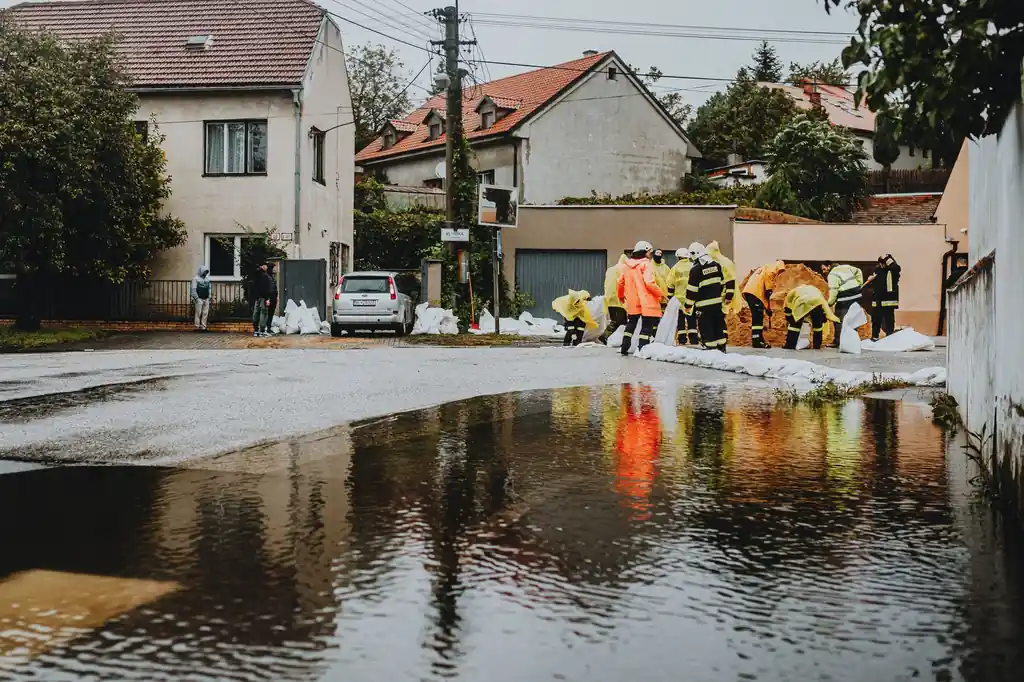
A pipe burst behind our bathroom wall at 11 p.m. and soaked the hallway carpet. Water Recovery Network had a truck here in about an hour. They pulled the water, set air movers, and came back two days later to check moisture. The pad dried in place and we did not have to replace the carpet. Straight answers the whole way.
Our washing machine hose let go and flooded the laundry room and part of the hall. I called three companies and Water Recovery Network was the only one that answered on a Sunday. They extracted the carpet, treated it with antimicrobial, and wrote up the scope for our insurance. The adjuster approved it without a fight.
We had a sump pump failure in a rental during a storm and the basement carpet was under two inches of water. Their crew pumped it out, pulled the pad, and dried the slab. They documented everything with moisture readings and photos. I have used them twice since for other units.
Most residential carpet water extraction jobs in Rocky Mount run $250 to $800 for a single room, and $1,200 to $3,000 for a whole-floor dry-out. Price depends on square footage, how long the water sat, and whether the pad can be saved. We give you a written scope before we start, and we bill insurance directly when the claim covers it.
Yes, if we get to it within 24 to 48 hours. Carpet fibers usually survive; the pad is the question. We pull water with a weighted extraction tool, dry the pad in place with air movers and a dehumidifier, and check it with a moisture meter. If the backing has delaminated or the water was Category 3 sewage, the pad and sometimes the carpet have to go.
Extraction itself takes two to four hours for a typical room. Drying takes longer: two to four days with air movers and a dehumidifier running. We come back every 24 hours to log moisture readings and adjust equipment. You can usually walk on the carpet between visits, but keep furniture off it until we clear the dry standard.
We do. Water Recovery Network answers 24/7 and dispatches a crew with a truck-mounted water extractor, submersible pump, and drying equipment. We cover Rocky Mount and Nash County, including ZIP codes 27801, 27803, and 27804. Most calls see a crew within 60 to 90 minutes, and we start pulling water the same hour we arrive.
Not seeing your question? Our local team can help you understand urgency, scheduling and what to expect.
Ask the local team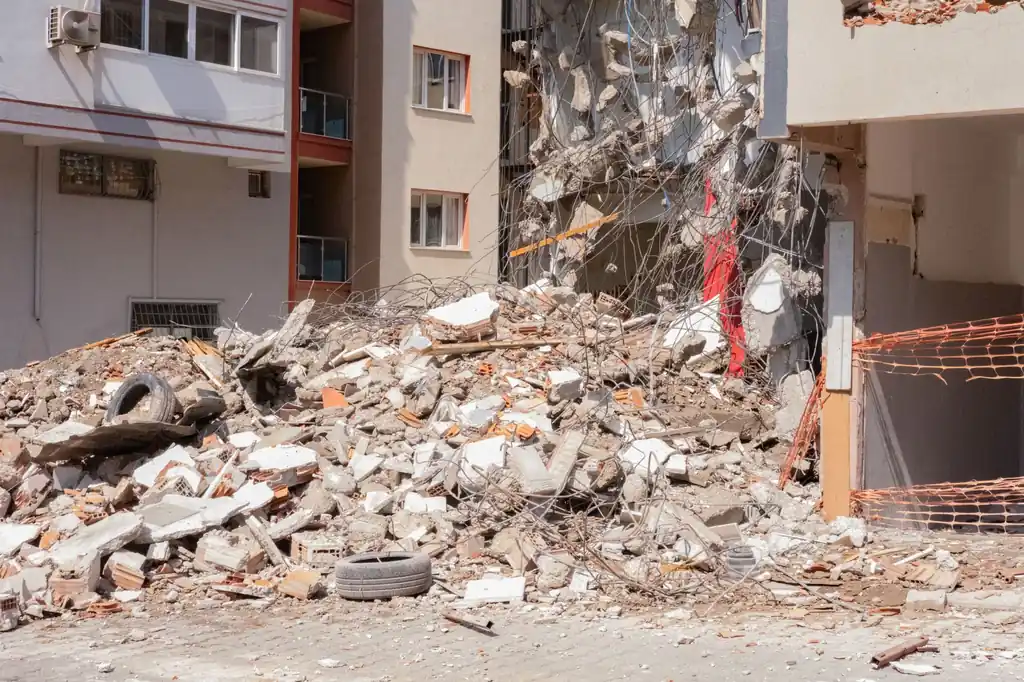
When a pipe bursts or a storm floods a room, emergency water extraction is the first step before carpet drying can start. We pull standing water with a submersible pump and truck-mounted extractor, then hand off to the drying crew. Same-day response across Rocky Mount.
View service
Carpet water extraction is often the first phase of a full restoration. If drywall, baseboards, or subfloor are wet, we handle the whole scope: extraction, drying, repairs, and documentation. One crew, one point of contact, available around the clock in Rocky Mount.
View service
A flooded basement usually means water under carpet, pad, and sometimes a finished floor. We pump the standing water first, then extract the carpet and dry the slab or subfloor. Common after sump pump failure or heavy fall storms in Rocky Mount.
View serviceEmergency water removal covers the fast pull of standing water before it spreads. If your carpet is soaked and the water is still rising, this is the call. We bring pumps, extractors, and moisture meters, and we document everything for your insurance claim.
View service
Our line is answered 24/7, and we dispatch crews day and night across Rocky Mount and Nash County. Call and we will ask a few questions about the source and the rooms affected, then give you a real arrival window. If you are not sure whether you need extraction, call anyway - we will tell you straight.