Focused arrival windows
Useful updates and clear arrival timing.
Crawl Space Water Removal Rocky Mount NC starts with a truck-mounted water extractor and a moisture meter, not guesswork. We pull standing water from under your home, dry the joists and subfloor, and treat the space so mold does not take hold. Whether a pipe burst, sump pump failure, or storm pushed water through your foundation vents, our crew works 24/7 across Nash County. Call and we will tell you exactly what it takes to get your crawl space dry.
Useful updates and clear arrival timing.
Review the approach and price before deciding.
Equipped vehicles and respectful cleanup.
Neighbors serving neighbors with follow-through.
Every crawl space water removal service North Carolina job we run includes the core work below. If your situation needs more, like ductwork cleaning or structural repair, we tell you before we start and price it separately.
We pump and extract all standing water from the crawl space using a submersible pump, truck-mounted water extractor, and wet/dry vacuum. This covers the vapor barrier, soil surface, and low spots where water pools.
A thermal imaging camera and moisture meter map exactly where water traveled. We check joists, subfloor, insulation, and ductwork so nothing wet gets left behind to grow mold.
We place air movers and dehumidifiers sized to your crawl space volume. Equipment runs until hygrometer readings confirm the framing and subfloor are back to dry standard.
After drying, we apply an antimicrobial solution to framing and any remaining organic surfaces. This stops microbial growth on wood that was wet long enough to be at risk.
Torn or displaced vapor barriers get patched or replaced so ground moisture stops feeding back into the space. We use 6-mil plastic sheeting rated for crawl space use.
You get photos, moisture logs, and an Xactimate-ready summary for your claim. That package is what adjusters need to approve crawl space water damage extraction Rocky Mount claims.
Share what is happening and receive a clear next step from the local team.
Crawl Space Water Removal Rocky Mount NC is the process of pumping, extracting, and drying standing water from the unconditioned space under your home before it rots floor joists, warps subfloor, or feeds mold. We start with a submersible pump or truck-mounted water extractor for the bulk water, then switch to a portable water extraction unit and wet/dry vacuum to pull the last half-inch out of the soil and vapor barrier. A moisture meter and thermal imaging camera tell us where the water actually went, not just where it pooled.
Homes across Rocky Mount sit on clay-heavy soil that drains slowly, and our humid summers keep crawl spaces at 80 percent relative humidity or higher. One failed sump pump or a cracked supply line behind the washing machine can leave six inches of water under your floorboards overnight. If you search for crawl space water removal in Rocky Mount NC near me after a storm, you are usually dealing with storm damage flooding or a pipe burst that soaked the insulation. We see it in Downtown Rocky Mount, West Haven, and Northgreen every spring and fall.
You call and describe what you see. We ask about the water source, how deep it is, and whether the power is still on. Within minutes we dispatch a crew with a submersible pump and extraction hoses. Most Rocky Mount calls get a same-day arrival, and true emergencies get a 24/7 response.
We suit up, enter the crawl space, and map the water with a thermal imaging camera and moisture meter. That tells us whether the water is isolated or has spread under the whole footprint. We also check for sewage backup, which changes the safety protocol entirely.
A submersible pump moves the bulk water first. Then a truck-mounted water extractor and portable unit pull the rest from the vapor barrier and soil. A wet/dry vacuum handles the corners and low spots. Depending on volume, extraction takes one to four hours.
We set air movers and a dehumidifier sized to the cubic footage of the space. A hygrometer and infrared thermometer track moisture content daily. Most crawl spaces dry in three to five days. We come back to check readings, not just to pick up equipment.
Once readings hit dry standard, we apply an antimicrobial solution to framing and install fresh moisture barriers where needed. You get a written report with moisture logs and photos for your insurance claim. We also point out the sump pump or pipe that failed so it gets fixed.
Pulls large volumes of water fast through extraction hoses. This is the workhorse for flooded crawl spaces and basements.
Moves deep standing water out of the crawl space before extraction tools can reach the soil and vapor barrier.
Finds hidden water behind walls, under flooring, and in areas the eye cannot see. Essential for tracing roof leak and pipe burst paths.
Measures moisture content in wood and relative humidity in the air. We use these daily to confirm the space is actually drying.
Dri-Eaz and Phoenix Restoration Equipment units circulate air and pull moisture from the space until readings hit dry standard.
Pulls water from carpet and pad above a flooded crawl space. Saves flooring that would otherwise be torn out.
Forces dry air directly against hardwood and subfloor to dry boards without over-drying or cupping them.
The industry standard for water damage restoration. It defines how we classify water, how we dry, and when we stop. Every crawl space job we run follows it.
We map the water on day one and log readings every day until the structure is dry. That data goes into your report and tells us when to pull equipment.
Clean water, gray water, and sewage backup each require different safety protocols. We identify the category before we start so contaminated water is handled correctly.
After drying, we apply an antimicrobial solution to framing and organic surfaces. It is a preventive step that stops mold from colonizing wood that was wet for days.
We build estimates and reports in Xactimate, the software most insurance carriers use. That format speeds up claim approval and reduces back-and-forth with adjusters.
We inspect with a thermal camera, find the entry point, extract the standing water, and set drying equipment. If the source is a foundation drain or grading issue, we document it for your repair contractor. Water is out the same day, the space is drying, and you know exactly what to fix so the next storm does not flood it again.
We check the pump, extract any standing water, and meter the joists and subfloor for hidden moisture. If the pump is failing, we tell you what to replace before it quits entirely. The musty smell clears once the space dries, and you have a plan to keep the pump from failing during the next storm.
We shut down the water, extract from the crawl space with a truck-mounted unit, and dry the subfloor from underneath. Documentation goes to your insurance carrier the same week. Framing dries before mold starts, and your claim has the moisture logs and photos it needs to get approved.
We extract any standing water, meter the framing, and give you a written report on moisture levels and what repair work is needed. That report helps you negotiate or budget for the fix. You know whether the crawl space needs a simple dry-out or a larger drainage repair before you close.
We trace the water path, extract from both levels, and dry the structure between them. If the water was contaminated, we treat it as category 2 or 3 and disinfect accordingly. Both floors dry out, odor is controlled, and the subfloor is saved before it warps.
Rocky Mount sits on clay-heavy soil that drains slowly, and our humid summers keep crawl spaces at 80 percent relative humidity or higher. That combination means water under your house does not dry on its own. We see the same patterns across Nash County: sump pump failures during spring storms, pipe bursts after the first hard freeze, and storm damage flooding that pushes water through foundation vents in low-lying neighborhoods like Riverside and South Rocky Mount. Older homes in Mill Village and Downtown Rocky Mount often have narrow crawl space access and no vapor barrier, which makes extraction slower but not impossible. Newer builds in Cobblestone and Stoneybrook usually have a barrier but still flood when the sump pump quits. We carry equipment sized for both. If you need emergency water removal from crawl space Rocky Mount, call us and we will tell you what to shut off while we head your way.
Many 1940s mill houses here have narrow access panels and no vapor barrier, so we bring compact extraction tools and install barriers after drying.
Low-lying lots near the river flood first during heavy rain. We see storm-driven crawl space flooding here more than anywhere else in the city.
A mix of older and newer homes with a high water table. Sump pump failure is the most common call we get from this neighborhood.
Newer construction with vapor barriers already installed. When these flood, it is almost always a failed sump pump or a supply line leak.
Historic homes with tight crawl spaces and aging plumbing. Pipe bursts and slow leaks are common, and access requires compact equipment.
Water pools against foundations and stays in the crawl space for weeks. Extraction and drying must be thorough, or the space stays damp and feeds mold.
Drying takes longer because the outside air is already saturated. We rely on dehumidifiers, not open vents, to bring the space to dry standard.
When temperatures drop below freezing, supply lines under the house can split. We see a spike in emergency crawl space calls after the first hard freeze each winter.
Heavy rain pushes water into crawl spaces in low-lying areas. We extract fast and document the grading or drainage issue that let it in.
A failed sump pump left four inches of standing water under a 1,800-square-foot home. The vapor barrier was floating, insulation was soaked, and the homeowner could smell mustiness inside the house.
We pumped the bulk water, extracted the rest with a truck-mounted unit, and ran dehumidifiers for four days. Moisture readings in the joists dropped from 28 percent to 12 percent, and the musty smell cleared.
Maintenance: We recommended a battery-backup sump pump and a yearly test before storm season. The homeowner also added a water alarm in the crawl space so the next failure gets caught early.
A supply line burst under a 1950s mill house and ran for hours before the homeowner noticed water dripping through the floor. The joists were saturated and the subfloor had started to cup.
We extracted the water, set air movers and a dehumidifier, and used a floor drying mat system on the subfloor. Five days later, moisture content was back under 16 percent and the cupping had relaxed.
Maintenance: The homeowner had a plumber replace the failing section of pipe and added pipe insulation. We suggested checking under the house after the first freeze each year.
Heavy rain pushed water through foundation vents and flooded the crawl space of a home near the river. The soil was saturated, the vapor barrier was torn, and the HVAC ductwork was sitting in water.
We extracted the standing water, dried the space over five days, and replaced the torn vapor barrier with new 6-mil plastic sheeting. Ductwork dried out and passed a moisture check.
Maintenance: We pointed out the grading issue that let water reach the vents and recommended a French drain. The homeowner also cleared the gutters and extended downspouts away from the foundation.
Most crawl space flooding in Rocky Mount traces back to one of a handful of causes. We find the source, remove the water, and dry the structure so the problem does not come back next season.
Water rises fast and can reach the floor joists within hours, soaking insulation and subfloor before you notice the smell inside. We extract the standing water, dry the joists and subfloor, and check the pump and discharge line. If the pump is undersized for Rocky Mount's water table, we tell you what size to install.
A cracked pipe can dump hundreds of gallons into the crawl space, warping subfloor and feeding mold colonies within 48 hours. We shut off the source, extract with a truck-mounted unit, and dry the framing. Our crew traces the failed line so your plumber can repair the right section.
Heavy rain pushes water through vents and pools against the foundation, keeping the crawl space wet for weeks after the storm passes. We remove the water, dry the space, and identify the grading or vent issue that let it in. Many homes need a French drain or regraded soil to stop the cycle.
Category 3 water carries bacteria and pathogens. It soaks into soil and framing and creates a health hazard that a simple pump-out will not fix. Our IICRC AMRT-trained techs extract, remove contaminated materials, and disinfect the space. We follow ANSI/IICRC S500 protocols for category 3 water.
Water entering from above runs down inside walls and collects in the crawl space, so the damage is invisible until paint peels or flooring buckles. We use thermal imaging to trace the path, extract at every level, and dry the wall cavities and crawl space together so the whole system dries evenly.
$450 - $2,800 depending on scope
Typical 2026 pricing for crawl space water removal in Rocky Mount runs $450 to $2,800. The low end covers a small pump-out with no structural drying. The high end covers a large space, several days of dehumidification, antimicrobial treatment, and vapor barrier repair. We give you a written price before we start, and we document everything in Xactimate so your insurance claim has what it needs. If you are searching for crawl space water removal cost in Rocky Mount, North Carolina, call us and we will give you a real number, not a range that doubles on the invoice.
Fixing a flooded crawl space costs a fraction of replacing rotted joists, subfloor, and ductwork. Catching it early with extraction and drying is the cheapest repair you will make on your home this year.
A 600-square-foot crawl space takes less equipment and less time than a 2,000-square-foot space. Larger areas need more air movers and a bigger dehumidifier, which raises the drying cost.
An inch of water is a quick pump-out. Six inches or more means longer extraction time and more equipment, especially if the water has soaked into the soil and vapor barrier.
Clean water from a supply line is the simplest. Sewage backup or storm water requires containment, material removal, and disinfection, which adds labor and disposal costs.
Most spaces dry in three to five days. If the framing was saturated for weeks before you called, drying can take longer and require more monitoring visits.
A torn or missing barrier lets ground moisture back into the space. Replacing it adds material and labor but prevents the problem from returning.
Narrow access panels in older homes like those in Mill Village slow down equipment setup. We bring compact tools, but tight access adds time to the job.
Water Recovery Network is a local water damage crew serving Rocky Mount and Nash County. Our technicians hold IICRC WRT (Water Restoration Technician) and IICRC ASD (Applied Structural Drying) certifications, and we follow the ANSI/IICRC S500 standard on every crawl space job. We have worked under hundreds of Rocky Mount homes, from 1940s mill houses in Mill Village to new builds in Cobblestone. We carry a North Carolina General Contractor License and OSHA 10 cards, and we know the difference between a clean water pipe burst and a category 3 sewage backup before we ever step in the door.
Our sump pump died during a storm and we had four inches of water under the house. Water Recovery Network showed up that evening, pumped it out, and set dehumidifiers for four days. They showed me the moisture readings each day and gave me a report for the insurance claim. No mold, no smell, and they told me exactly what to fix on the pump.
A pipe burst under our 1950s house and soaked the joists. I was worried the whole floor would have to come up. Their techs crawled under there with lights and meters, extracted everything, and dried it out in five days. They were straight with me about cost up front and did not try to sell me anything extra.
I manage several rental properties and crawl space flooding is a recurring headache. Water Recovery Network handles the extraction and drying, documents everything for the owners, and communicates the whole way through. They know these old buildings and how to work around tenants. I keep their number saved.
Most residential crawl space jobs in Rocky Mount run $450 to $2,800 in 2026, depending on water volume, square footage, and whether drying equipment is needed. A small standing-water pump-out with no structural drying sits at the low end. A full extraction plus three to five days of dehumidification and antimicrobial treatment pushes toward the top. We give you a written price before we start.
We pump and extract the standing water first, then set air movers and a dehumidifier sized to the space. A hygrometer tracks moisture in the joists and subfloor daily until readings hit the dry standard, usually in three to five days. We also check the vapor barrier and soil, because wet ground keeps feeding humidity back into the wood.
The extraction itself takes one to four hours for most homes. The drying phase is the longer part, typically three to five days with equipment running. If the water was a sewage backup or soaked the insulation, plan on a longer timeline and some material removal. We give you a realistic window after the first inspection.
Water Recovery Network answers 24/7 and dispatches crews across Rocky Mount and Nash County, including Downtown Rocky Mount, West Haven, Northgreen, and South Rocky Mount. Call +1 252-385-6067 and describe what you see. We will tell you whether to shut off the water, cut power to the area, and how fast we can be there.
Not seeing your question? Our local team can help you understand urgency, scheduling and what to expect.
Ask the local team
When water is still rising under your home, emergency extraction is the first step before any crawl space drying can begin. We mobilize pumps and extractors fast to stop the spread.
View service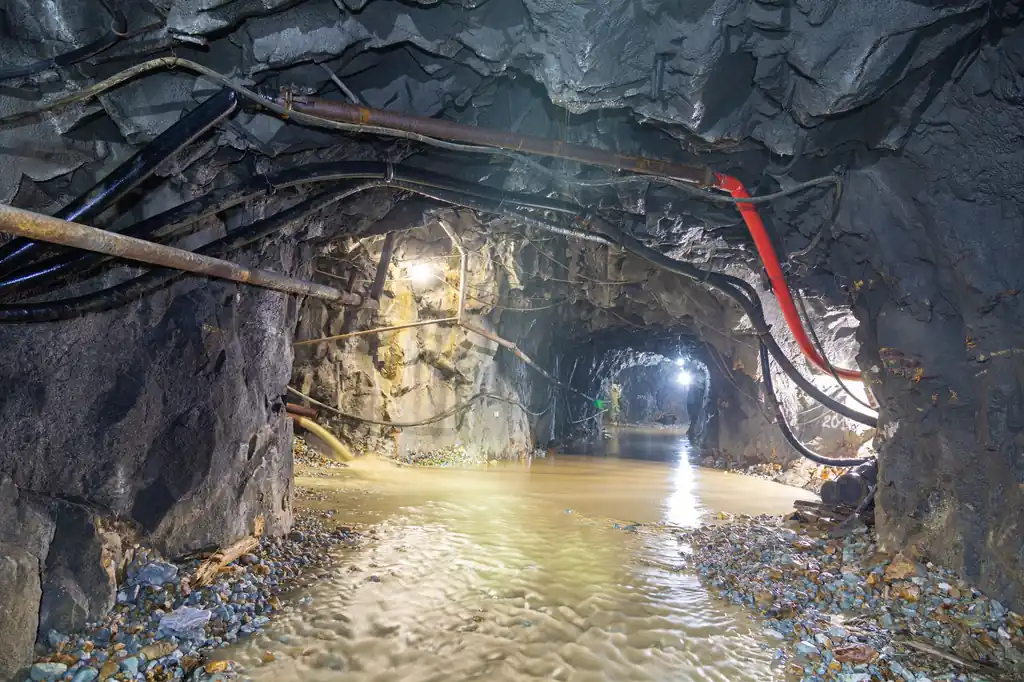
Crawl space flooding rarely stays in the crawl space. Our 24/7 restoration service handles the full chain, from extraction to structural drying to repairs, so your whole home gets back to normal.
View service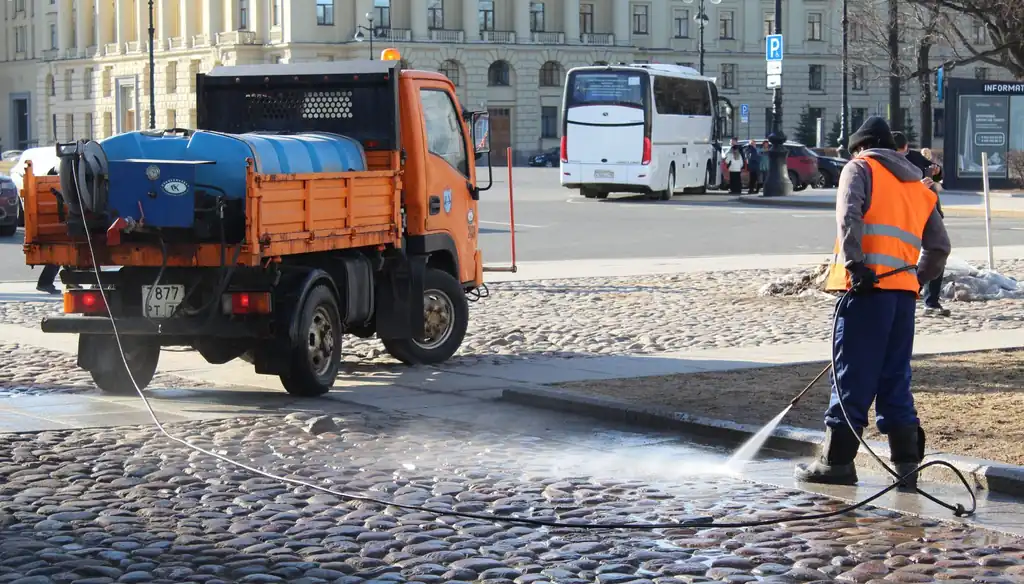
A flooded basement and a flooded crawl space often share the same cause, like a failed sump pump or foundation drain. We handle both spaces in one visit when water has moved between them.
View service
Storm damage flooding and pipe bursts do not wait. Our emergency water removal crews stage equipment across Rocky Mount so we can start extraction within hours of your call.
View service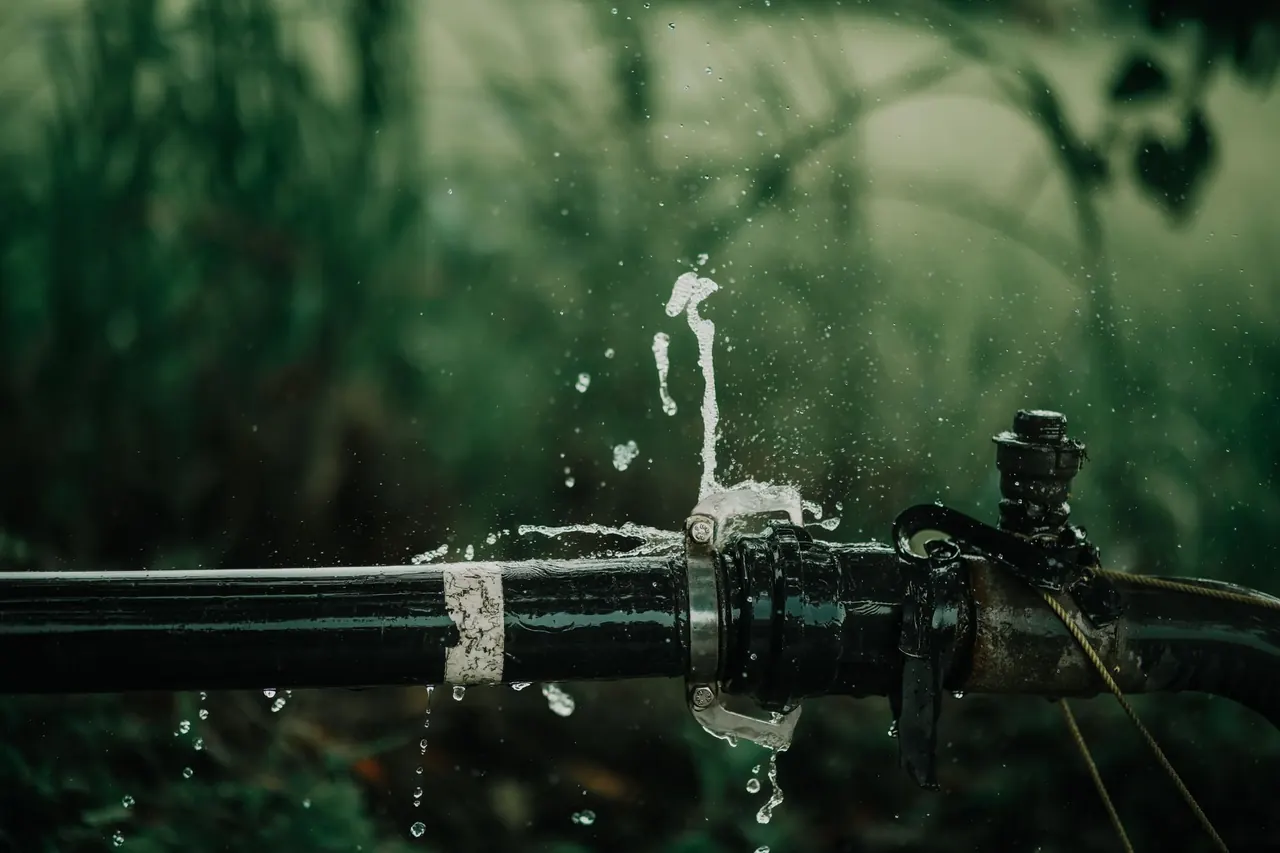
Our line is answered 24/7, and we dispatch crews day and night across Rocky Mount and Nash County. Call and we will ask a few questions about the source and the rooms affected, then give you a real arrival window. If you are not sure whether you need extraction, call anyway - we will tell you straight.