Focused arrival windows
Useful updates and clear arrival timing.
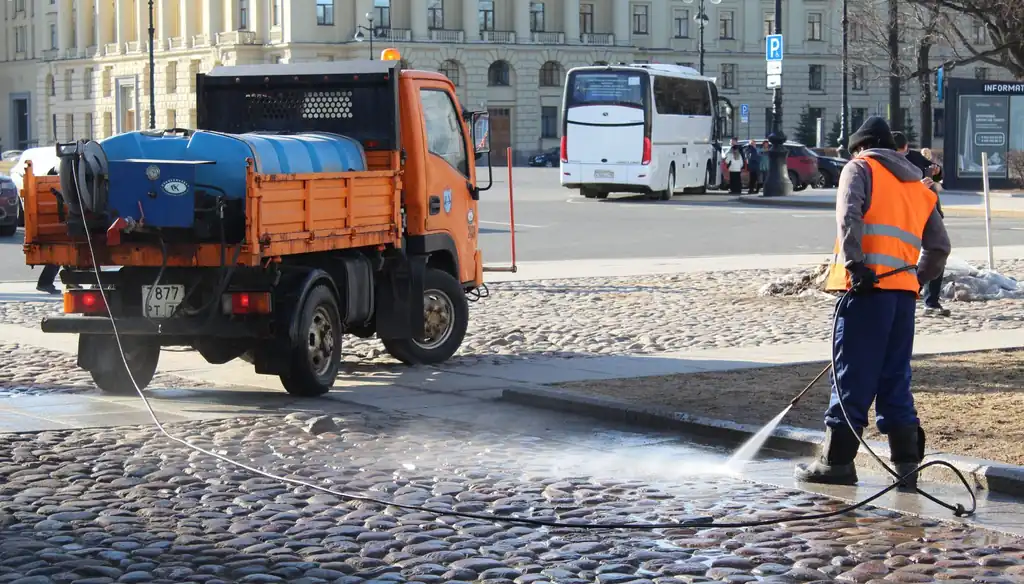
When your air handler or condensate line lets go, HVAC Leak Water Extraction Rocky Mount NC from Water Recovery Network gets the standing water out of your floors, walls, and crawl space before mold sets in. We handle homes and businesses across Rocky Mount, North Carolina, and our crews are on call 24/7 for same-day HVAC leak water removal Rocky Mount emergencies. You get a dry floor, a moisture reading that proves it, and a written scope before we start.
Useful updates and clear arrival timing.
Review the approach and price before deciding.
Equipped vehicles and respectful cleanup.
Neighbors serving neighbors with follow-through.
Every HVAC leak job starts with the same core package: source control, water extraction, moisture mapping, and monitored drying. What changes is the scope, which depends on how far the water traveled and what materials it soaked. Here is what is included on a standard call, and what we handle as an add-on when the damage goes deeper.
We shut off power to the air handler, clear the clogged condensate line, and set a temporary catch pan if the drain pan is cracked. Stopping the water is step one; nothing else works until the source is controlled. We note what your HVAC contractor needs to repair.
Truck-mounted extractors and submersible pumps remove standing water from carpet, hardwood, tile, and concrete. We use a weighted extraction tool on carpet and floor drying mats on hardwood. A typical room takes 45 to 90 minutes to extract.
Thermal imaging and pin-type moisture meters map exactly how far the water traveled, including inside wall cavities and under flooring. You get a diagram of wet zones with readings. This is what separates a real extraction from a shop-vac job.
We apply an antimicrobial solution to affected framing, subfloor, and wall cavities to stop mold before it starts. North Carolina humidity gives mold a head start, so treatment happens the same day as extraction, not days later.
Air movers and LGR dehumidifiers run for three to five days, with moisture readings logged twice daily. We pull equipment only when the structure hits a dry standard. If readings are still high, the equipment stays at no extra charge.
Photos, moisture logs, equipment placement records, and an Xactimate-formatted scope go to your adjuster. We bill most major carriers directly. You get a copy of the full file, which is also useful if you sell the home later.
Share what is happening and receive a clear next step from the local team.
HVAC Leak Water Extraction Rocky Mount NC is the process of removing standing water and saturated moisture caused by a leaking air conditioner, heat pump, or furnace, then drying the structure so it stays dry. It starts with shutting off the unit and the water feed, then finding the source: a clogged condensate drain, a cracked drain pan, a frozen evaporator coil that thawed overnight, or a failed condensate pump. From there we extract with a truck-mounted water extractor, check wall cavities with a thermal imaging camera, and set drying equipment until your moisture meter reads normal.
In Rocky Mount, most HVAC leak calls come from condensate lines that clog with algae during our long humid summers, or from drain pans that crack after 15-plus years of service. When a unit sits in an attic or a second-floor closet, water travels down through the ceiling and into the walls before you ever see it. That is why we treat every HVAC leak water damage extraction Rocky Mount job as a hidden-moisture problem first and a wet-floor problem second.
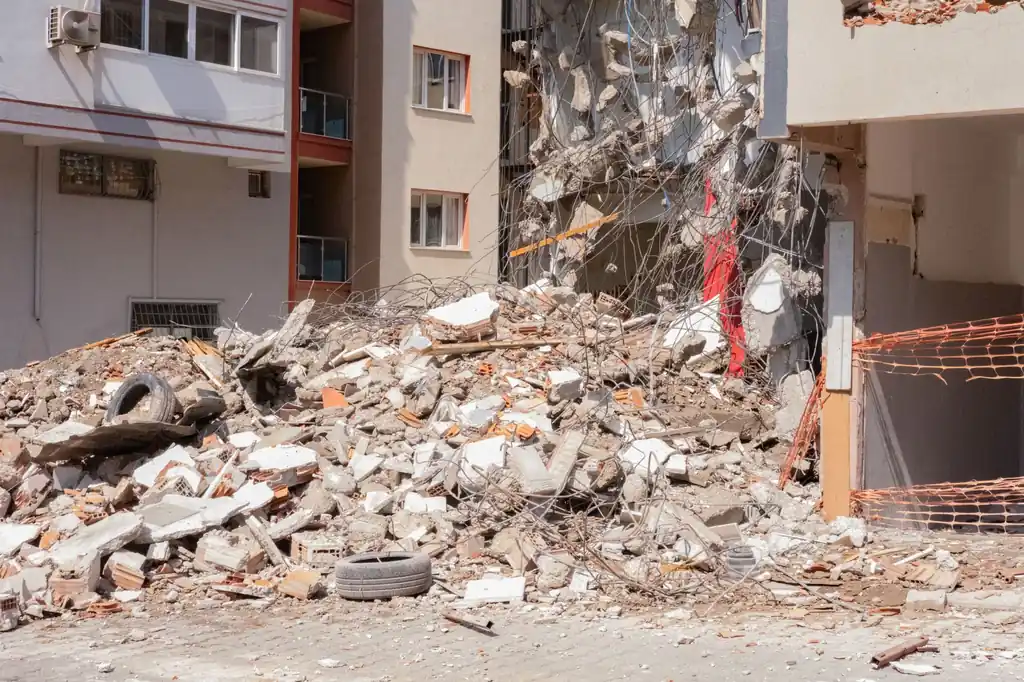
You call +1 (252) 385-6067 and describe what you are seeing. We ask three questions: where is the unit, is the water still running, and is the ceiling sagging. That tells us what equipment to load. A crew is dispatched within the hour for active leaks, and you get a text with the technician's name and ETA.
First thing on site, we kill power to the air handler and shut the condensate line or water feed. If the drain pan is overflowing, we clear the clog with a wet/dry vacuum and check the trap. If the pan itself is cracked, we note it for your HVAC tech and set a temporary catch pan so the drying can continue.
We pull standing water with a truck-mounted water extractor and a submersible pump for anything over an inch deep. Carpet gets a weighted extraction tool pass, and hardwood gets floor drying mats. A typical room takes 45 to 90 minutes to extract, depending on how far the water spread under the flooring.
We set air movers and dehumidifiers sized to the cubic footage of the affected area. A standard bedroom needs three to four air movers and one LGR dehumidifier. We monitor with a hygrometer and infrared thermometer twice a day until the readings match a dry standard, which usually takes three to five days.
Before we pull equipment, we take final moisture readings at every point we logged on day one. You get a written drying report with the numbers, photos, and a note on what your HVAC contractor needs to fix. If any reading is still high, the equipment stays at no extra charge until it is dry.
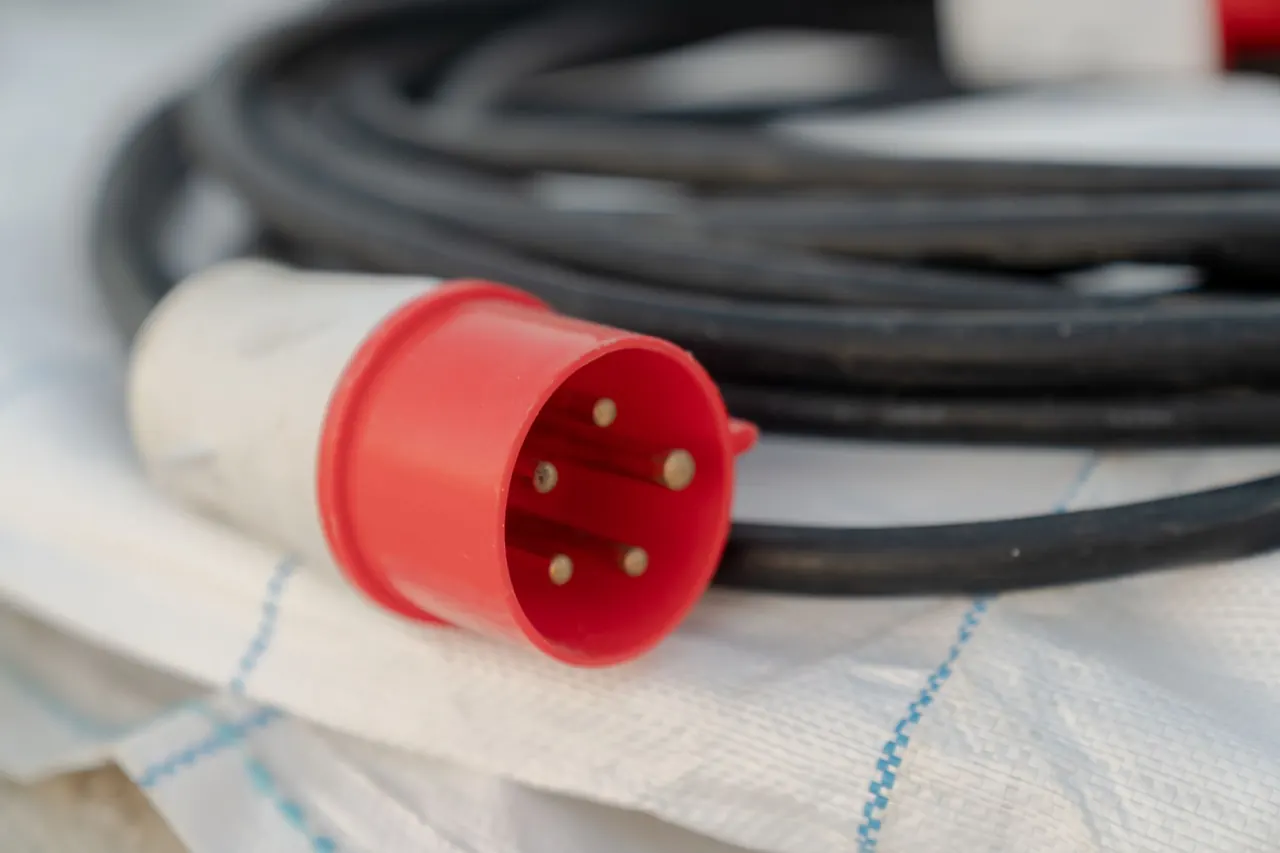
Pulls large volumes of standing water from carpet and hard surfaces fast. This is the workhorse on every HVAC leak job and handles most residential extractions in a single pass.
Finds hidden moisture behind walls, under floors, and in ceiling cavities without tearing anything open. Essential for tracing how far an HVAC leak traveled from the unit.
Gives exact moisture content readings in drywall, framing, and subfloor. We log readings daily and compare them to a dry standard to decide when drying is complete.
Pulls moisture out of the air so wet materials can release their water. Sized to the affected cubic footage, usually one unit per 1,000 to 1,200 square feet of wet area.
Create high-velocity airflow across wet surfaces to speed evaporation. A standard bedroom needs three to four units positioned to sweep the floor, walls, and ceiling.
Rides on top of carpet to push water out of the pad and backing. A wet vac cannot reach that deep, which is why carpet needs this tool after an HVAC leak.
Draws moisture out of hardwood through the boards without damaging the finish. Used when an HVAC leak soaks hardwood floors and replacement is avoidable.
The industry standard for water damage restoration. It governs how we classify the water, how much drying equipment we set, and when a job is truly dry. Every HVAC leak job we run follows it.
We map wet zones on day one and log readings twice daily until the structure hits a dry standard. The log goes to your insurance adjuster and stays with the property record. No guessing, no early equipment pull.
We treat affected framing, subfloor, and wall cavities with an antimicrobial solution on the day of extraction. In North Carolina humidity, this is what stops mold from colonizing while the structure dries.
Our damage scopes are built in Xactimate, the estimating platform most insurance carriers use. That means line items your adjuster recognizes, fewer questions, and faster claim approval on your HVAC leak water removal Rocky Mount claim.

We trace the stain to the unit, stop the leak, and extract from the attic deck. Saturated insulation comes out, and we dry the ceiling structure from both sides. Thermal imaging confirms whether the wall below is also wet. The ceiling dries without sagging, and you avoid a full ceiling replacement. You get moisture readings proving the cavity is dry.
We pull the carpet back, extract the pad and subfloor, and set air movers. If the pad is saturated, we remove and replace it. The condensate line gets cleared and tested before we leave. Carpet and subfloor dry in three to four days, and the musty smell is gone. You avoid replacing the whole closet floor.
We respond after hours, extract from the ceiling grid and floor, and set drying equipment so you can open on time. Documentation is formatted for a commercial property claim. You reopen the next morning with equipment running quietly in the background. The claim file is ready for your adjuster.
We pump the standing water, remove saturated insulation, and dry the joists and subfloor. The HVAC drain gets cleared, and we check the vapor barrier for damage. The crawl space dries out, and the musty odor stops rising into the living space. We note any barrier repairs you need.
Rocky Mount sits in Nash County, where summers run hot and humid and HVAC systems work hard from May through September. That workload is why condensate clogs and drain pan failures are our most common calls. The building stock matters too: older homes in Mill Village and Five Points often have attic air handlers and original hardwood floors, while newer construction in Stoneybrook and Cobblestone tends toward closet units and carpet. Both setups leak differently. Attic units send water down through ceilings and wall cavities; closet units flood carpet and subfloor. We adjust our extraction and drying approach to the home, not the other way around. For emergency water removal from HVAC leak Rocky Mount calls, we prioritize stopping the source first, because every minute the unit drips is another square foot of wet drywall. We also follow North Carolina code requirements for moisture barriers and structural drying documentation, and we coordinate with your HVAC contractor so the repair and the drying happen in the right order.
Older homes with attic air handlers and original hardwood. Leaks here tend to travel down wall cavities, so thermal imaging is essential before we call the job dry.
Newer construction with closet units and carpeted hallways. Condensate overflows here usually soak carpet and pad, which need weighted extraction and pad replacement.
Commercial buildings with rooftop units. A leak can soak ceiling grid and retail flooring overnight, so we run after-hours extraction to keep businesses open.
Crawl space units are common, and the local water table stays high. An HVAC drip down there compounds existing moisture, so we check the vapor barrier on every call.
Condensate lines clog with algae faster, and mold can start on wet materials in as little as 24 hours. We treat every summer HVAC leak with antimicrobial on the day of extraction.
Water travels down through ceilings and wall cavities before it shows. We use thermal imaging on every attic-unit call to find the hidden wet zone, not just the visible stain.
Power blips can leave a condensate pump off while the unit keeps dripping. We check the pump and the pan on every storm-season call, even when the visible leak is elsewhere.
An attic air handler overflowed for two days before the homeowner noticed a ceiling stain. The visible wet area was about 40 square feet, but thermal imaging showed saturated insulation and a wet wall cavity covering roughly 180 square feet.
We extracted from the attic deck, removed the wet insulation, and dried the ceiling and wall cavity over four days. Final moisture readings were below 16 percent at every logged point. The ceiling needed paint, not replacement.
Maintenance: Have your HVAC contractor clear the condensate line every spring and check the drain pan for cracks. A $150 service visit prevents a $3,000 ceiling repair.
A clogged condensate line flooded a hallway closet and soaked about 200 square feet of carpet and pad. The homeowner had already shop-vacced the surface water, but the pad was still saturated and the subfloor read 28 percent moisture.
We pulled the carpet back, removed the saturated pad, extracted the subfloor, and set air movers and a dehumidifier for three days. The subfloor dried to 11 percent, and new pad was installed under the existing carpet.
Maintenance: Pour a cup of vinegar down the condensate trap monthly during cooling season. It keeps algae from forming and costs almost nothing.
A rooftop HVAC unit leaked overnight into a retail ceiling, soaking ceiling tiles and about 300 square feet of carpet. The store was scheduled to open at 9 a.m., and the ceiling was dripping when the manager arrived at 7.
We extracted the carpet, removed the sagging ceiling tiles, and set drying equipment before opening. The store opened on time with air movers running. The claim file was in Xactimate format and sent to the adjuster the same day.
Maintenance: Schedule rooftop unit inspections twice a year, before cooling season and before heating season. Most rooftop leaks start at the drain pan or the condensate line, both easy to check.
An HVAC leak is rarely just a wet floor. It is a chain reaction: water spreads, materials swell, mold starts, and the damage bill climbs. These are the problems we see most often and how we stop them.
Water pools in the drain pan, overflows into the ceiling or closet floor, and soaks drywall and insulation within hours. In Rocky Mount's humidity, mold can start in 24 to 48 hours. We clear the condensate line with a wet/dry vacuum, extract the overflow, and dry the affected ceiling or floor. We also check the trap and the pan for cracks so the same clog does not flood you again next summer.
A slow pan leak hides under the unit and rots the platform, subfloor, and nearby framing. By the time you smell mildew, the damage is often behind the wall. We extract standing water, use thermal imaging to find the hidden wet zone, and dry the platform and surrounding structure. The pan gets flagged for replacement, and we document the hidden damage for your claim.
A frozen evaporator coil can dump a gallon or more of water when it thaws. In an attic unit, that water runs down through insulation and ceiling drywall, staining and sagging the ceiling below. We relieve the ceiling, extract from the attic deck, remove saturated insulation, and dry the ceiling structure from above and below. If the drywall has sagged, we remove the affected section and document it for repair.
Water that shows up as a ceiling stain has usually traveled down inside a wall cavity first. Drywall paper and insulation stay wet, and mold grows where you cannot see it. We map the wall cavity with a thermal imaging camera and moisture meter, make a small access cut if needed, and dry the cavity with directed airflow. Final readings confirm the wall is dry before we close up.
$350 - $1,200 for most residential jobs; commercial and multi-room jobs run higher
Typical 2026 pricing for HVAC leak water extraction in Rocky Mount runs $350 to $1,200 for residential jobs, and higher for commercial or multi-room damage. The range depends on how much water there is, what materials it soaked, and how long drying takes. We give you a written scope before we start, and if you file an insurance claim, we bill your carrier directly so you are usually out only your deductible. No hidden fees, no surprise equipment charges.
The cost of extraction and drying is a fraction of what mold remediation or structural repair runs. Getting the water out in the first 24 hours is the single best way to keep an HVAC leak from turning into a five-figure project.
A small condensate overflow that stayed in the drain pan is a quick job. Water that spread across a room, under carpet, or down a wall takes longer to extract and more equipment to dry. Volume is the single biggest cost driver.
Carpet and pad extract fast but often need pad replacement. Hardwood needs floor drying mats and takes longer. Drywall and insulation in a wall cavity require access cuts and directed drying. The more material types involved, the higher the cost.
A single closet or bathroom is straightforward. Water that traveled into a hallway, an adjoining bedroom, or down to a lower floor multiplies the square footage, the equipment count, and the drying days.
Most jobs dry in three to five days. If materials are dense, if the home stays humid, or if the leak ran for weeks before discovery, drying can stretch to seven days. We do not charge extra for equipment that stays longer to finish the job.
If mold has already started, the job shifts from extraction to remediation, which adds containment, removal of affected materials, and antimicrobial treatment. Catching an HVAC leak early is the cheapest path.
Most homeowner policies cover sudden HVAC leak damage, though not the unit repair itself. We document the damage in Xactimate format and bill your carrier directly, which usually reduces your out-of-pocket to the deductible.
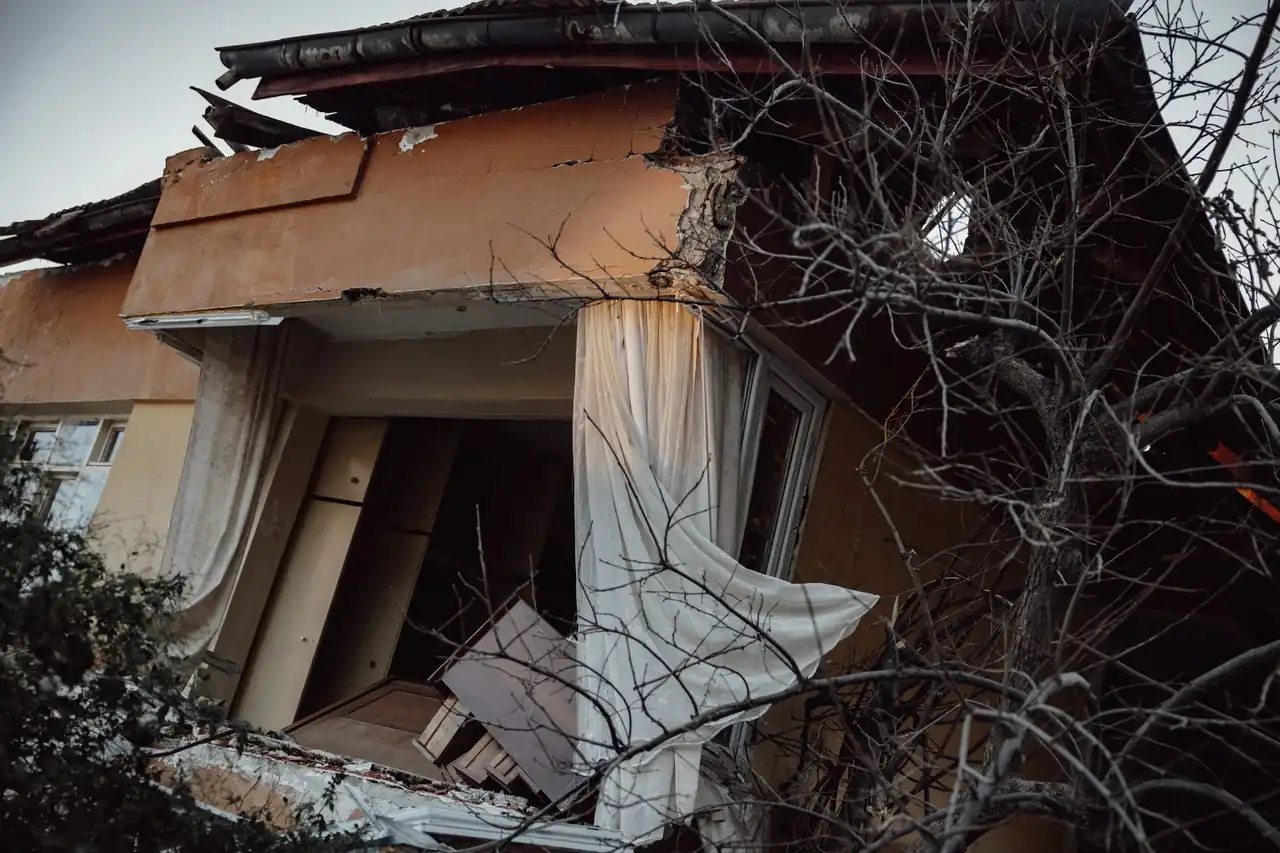
Water Recovery Network technicians hold IICRC WRT (Water Restoration Technician) and IICRC ASD (Applied Structural Drying) certifications, and we follow the ANSI/IICRC S500 Standard on every job. That standard governs how we classify water, how much drying equipment we set, and when a job is actually done. We also carry OSHA 10 training and use EPA Lead-Safe practices on pre-1978 homes, which matters in Rocky Mount's older neighborhoods. Our local experience covers hundreds of HVAC leak calls, from single-family homes in Mill Village to commercial rooftop units downtown.

Our upstairs air handler overflowed on a Sunday and water was dripping through the ceiling by Monday morning. Water Recovery Network had a crew out by 9 a.m. They pulled the water, cut a small access hole to dry the wall cavity, and set equipment for four days. The moisture readings at the end matched what they showed us on day one. No mold, no ceiling replacement.
A rooftop unit leaked into one of our retail suites and soaked about 300 square feet of carpet. The crew extracted that afternoon, documented everything in Xactimate, and dealt with our adjuster directly. We were back open the next morning with air movers running. That kind of turnaround matters when you have a tenant.
I thought the stain on my ceiling was a roof leak. Their technician used a thermal camera and found the real source: a clogged condensate line from the attic unit. They cleared it, extracted the water, and dried the ceiling over three days. They also told me exactly what to have my HVAC company fix. Honest and thorough.
Most residential HVAC leak jobs in Rocky Mount run $350 to $1,200 for extraction and drying, with typical 2026 pricing. A single-room condensate overflow with carpet is usually on the low end; a second-floor leak that soaked a ceiling and two walls runs higher. If you file an insurance claim, your out-of-pocket is often just the deductible. We give you a written scope before any work starts.
The three most common causes are a clogged condensate drain line, a rusted or cracked drain pan, and a frozen evaporator coil that thawed and overflowed. In Rocky Mount, algae growth in condensate lines is the number one culprit during our humid summers. If the leak is in an attic unit, water often travels along the ceiling joists before it drips, so the visible stain can be several feet from the actual leak.
Extraction itself takes two to four hours for a typical residential job. Drying the structure after extraction takes three to five days with air movers and dehumidifiers running. We check moisture readings twice daily and pull equipment only when the affected materials hit a dry standard. If your home has hardwood or a crawl space involved, plan on the longer end of that range.
Water Recovery Network answers 24/7 at +1 (252) 385-6067 and dispatches crews across Rocky Mount, North Carolina, including Downtown, West Haven, Englewood, and South Rocky Mount. We handle active leaks, standing water, and hidden moisture in walls and ceilings. Same-day service is standard for emergency calls, and we bill most major insurance carriers directly.
Not seeing your question? Our local team can help you understand urgency, scheduling and what to expect.
Ask the local team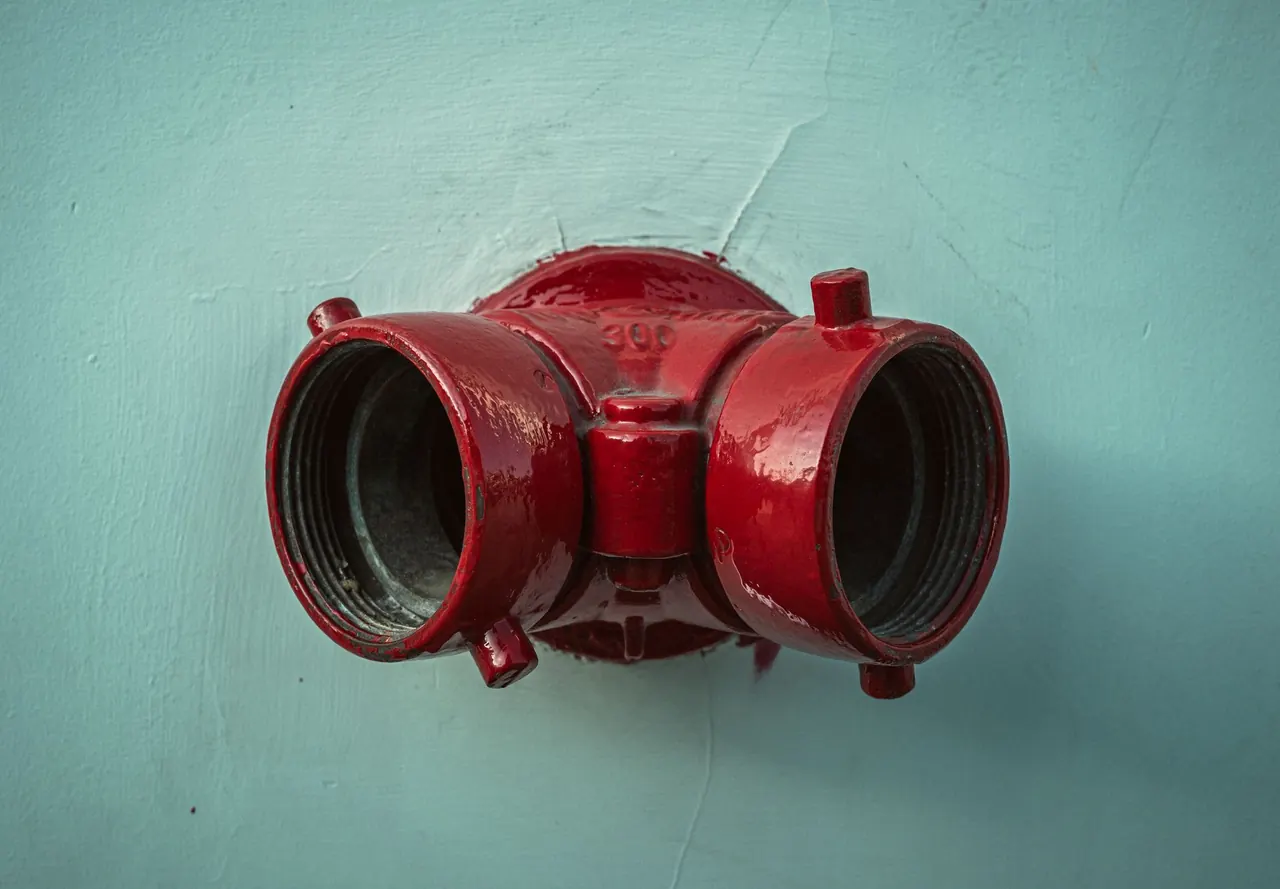
When an HVAC leak dumps water fast, emergency extraction is the first step. We pull standing water from floors and carpet before it spreads to adjoining rooms, then transition into structural drying. This is the core service behind every HVAC leak call we run in Rocky Mount.
View service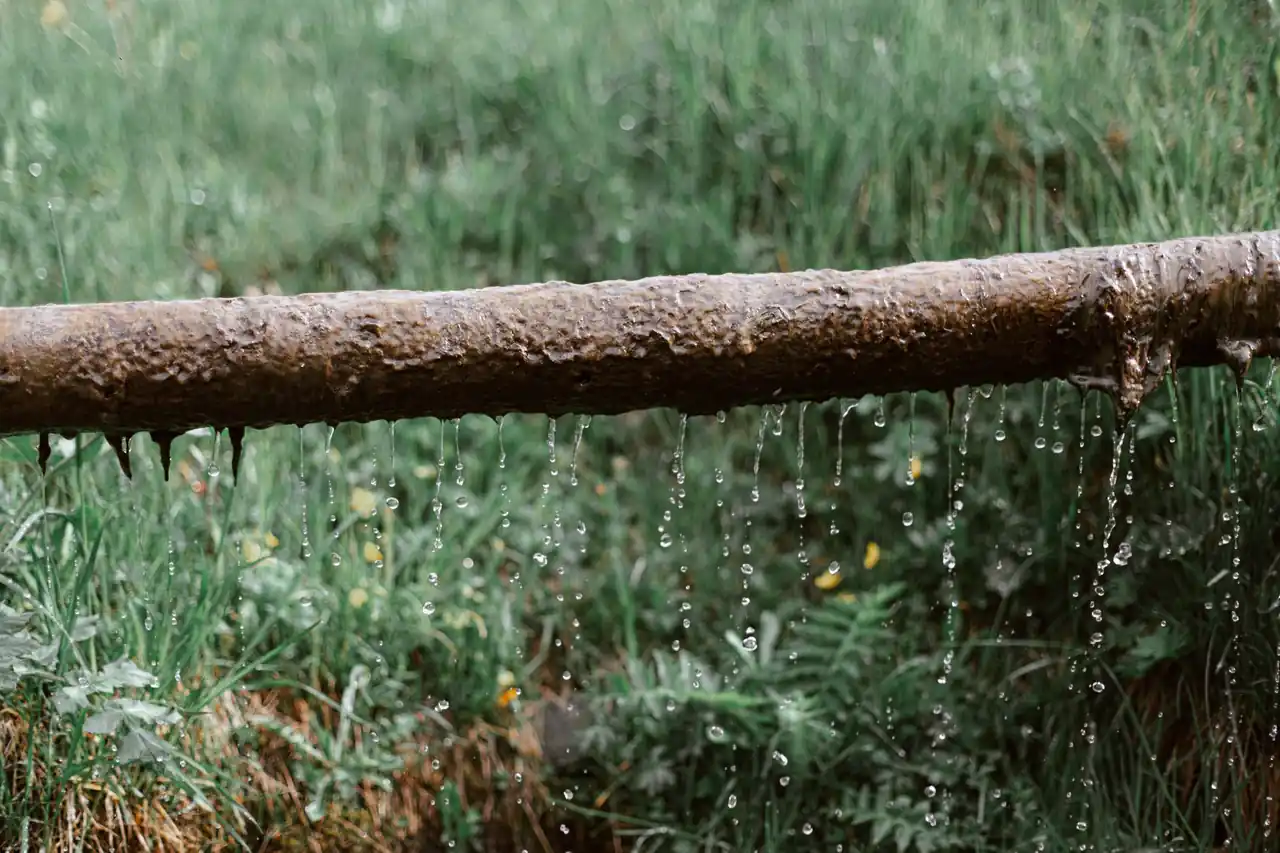
HVAC leaks do not keep business hours. Our 24/7 restoration service covers the full cycle from emergency extraction through repairs, so a 2 a.m. condensate overflow does not turn into a week-long project. We answer the phone around the clock in Rocky Mount.
View service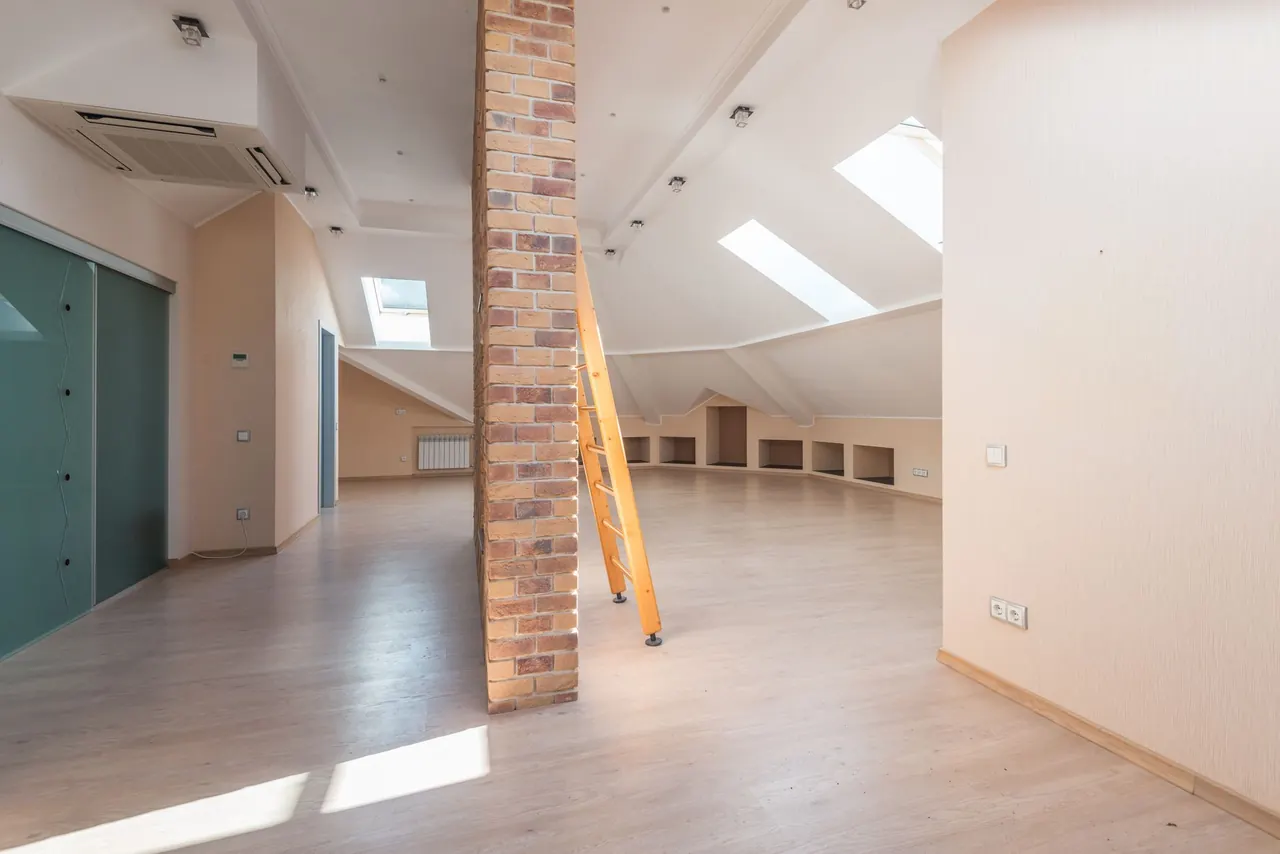
When an HVAC unit sits in the basement and the drain pan overflows, you get a flooded basement fast. We pump, extract, and dry basement slabs, block walls, and stored belongings. Sump pump failures and condensate overflows often happen together, so we check both.
View service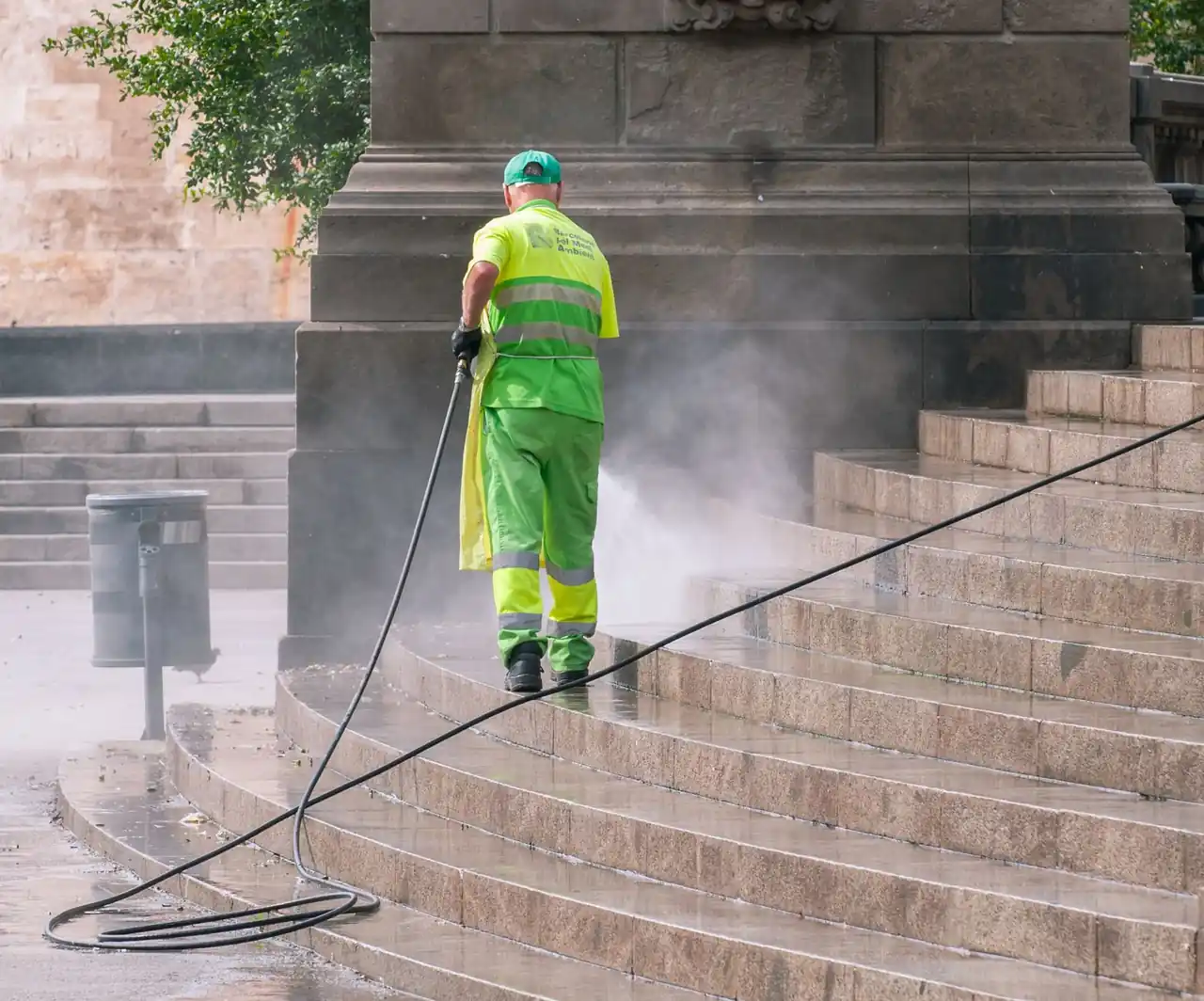
Emergency water removal is for active leaks and standing water that cannot wait. If your HVAC leak is still dripping or the pan is overflowing, we stop the source, extract the water, and set drying equipment the same visit. Call +1 (252) 385-6067 any time.
View service
Our line is answered 24/7, and we dispatch crews day and night across Rocky Mount and Nash County. Call and we will ask a few questions about the source and the rooms affected, then give you a real arrival window. If you are not sure whether you need extraction, call anyway - we will tell you straight.