Focused arrival windows
Useful updates and clear arrival timing.
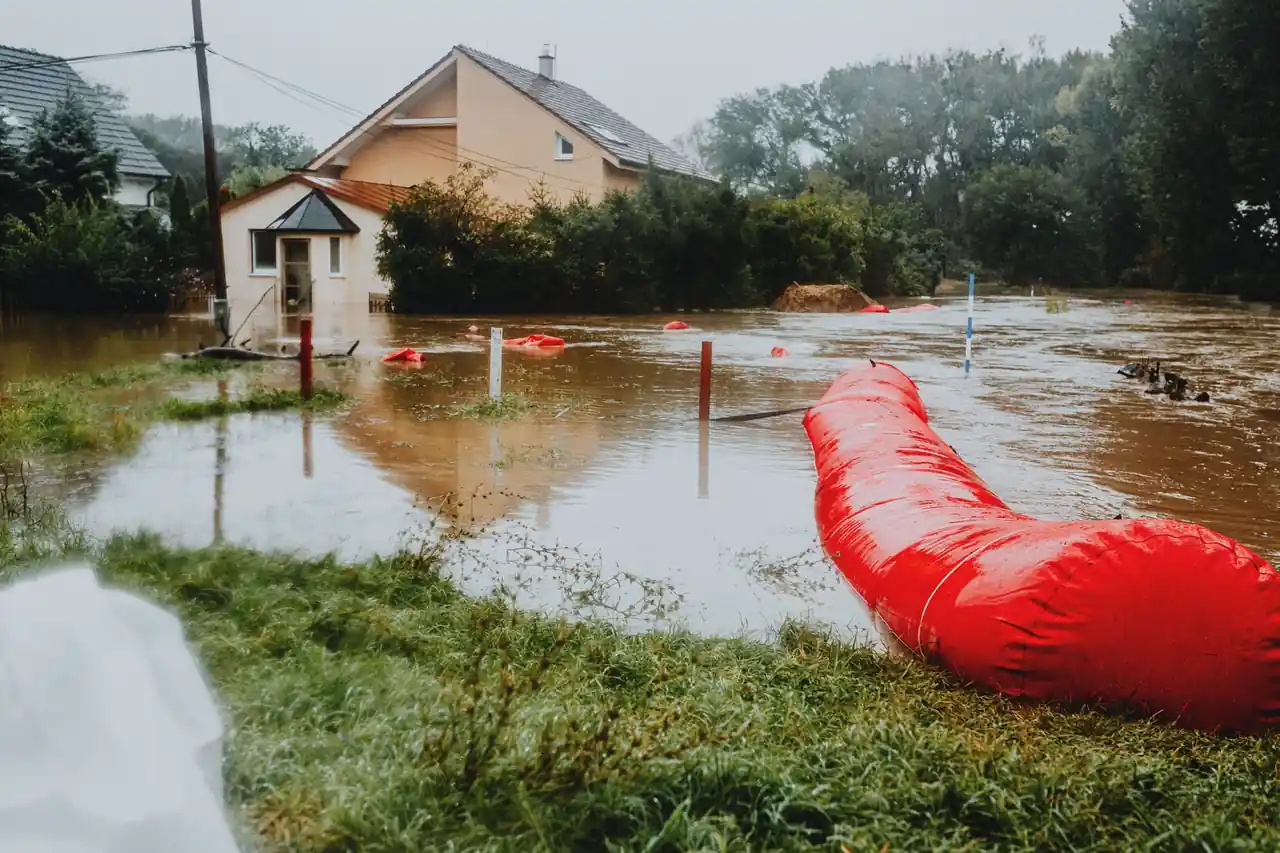
When a pipe lets go in your Rocky Mount home, every minute soaks deeper into floors, walls, and subfloors. Our team provides Pipe Burst Water Extraction Rocky Mount NC homeowners can count on - 24/7, with truck-mounted extractors and drying equipment on site fast. We handle emergency water removal from burst pipe Rocky Mount calls for flooded basements, crawl spaces, and ceiling leaks, then dry the structure to IICRC S500 standards. Call +1 252-385-6067.
Useful updates and clear arrival timing.
Review the approach and price before deciding.
Equipped vehicles and respectful cleanup.
Neighbors serving neighbors with follow-through.
Every burst pipe job is different, but the core scope covers extraction, drying, and documentation. Here is what is included when you hire us for Pipe Burst Water Extraction Rocky Mount NC.
We remove standing water from floors, carpet, crawl spaces, and anywhere else it pooled. Truck-mounted extractors and submersible pumps handle the volume, and weighted extraction tools pull water from carpet and pad. This is the first and most important step.
We use moisture meters, thermal imaging cameras, and hygrometers to find water you cannot see - behind walls, under floors, inside ceiling cavities. The map we build guides the drying setup and gives your insurance adjuster a clear picture of the affected area.
Air movers and dehumidifiers go in based on room size and moisture load. We calibrate the equipment to the ANSI/IICRC S500 standard and adjust as readings change. Drying typically runs three to five days, and we monitor daily until the structure hits dry standard.
After extraction, we apply antimicrobial solution to affected surfaces to stop mold from taking hold. This is standard on every burst pipe job, and it is especially important when water sat for more than a day before we arrived. It is included, not an upsell.
We photograph affected areas, log moisture readings, and prepare an Xactimate-compatible scope for your claim. You get a copy of everything. Our documentation is built to answer the questions adjusters ask, so your claim does not stall while they request more information.
Before we remove equipment, we verify the structure is dry using moisture meters and infrared thermometers. You get a final drying log showing the readings. If any area is still holding moisture, the equipment stays until it is dry - no exceptions.
Share what is happening and receive a clear next step from the local team.
Pipe Burst Water Extraction Rocky Mount NC is the process of removing standing water and saturated moisture from a home or business after a supply line, drain line, or plumbing fixture fails - then drying the structure so mold does not take hold. It is not a mop-and-bucket job. We use truck-mounted water extractors, submersible pumps, and wet/dry vacuums to pull water out of carpet, hardwood, tile, and concrete, then place air movers and dehumidifiers to dry what the extraction cannot reach.
Most Rocky Mount calls come from three scenarios: a frozen copper or PEX line that splits during a winter cold snap, a corroded galvanized pipe in an older home near Downtown Rocky Mount or Mill Village, or a failed washing machine supply line in a newer build out near Cobblestone. Water from a burst pipe can travel through wall cavities and under subfloors in minutes. If you are searching for pipe burst water extraction in Rocky Mount NC near me at 2 a.m., we answer the phone and dispatch.
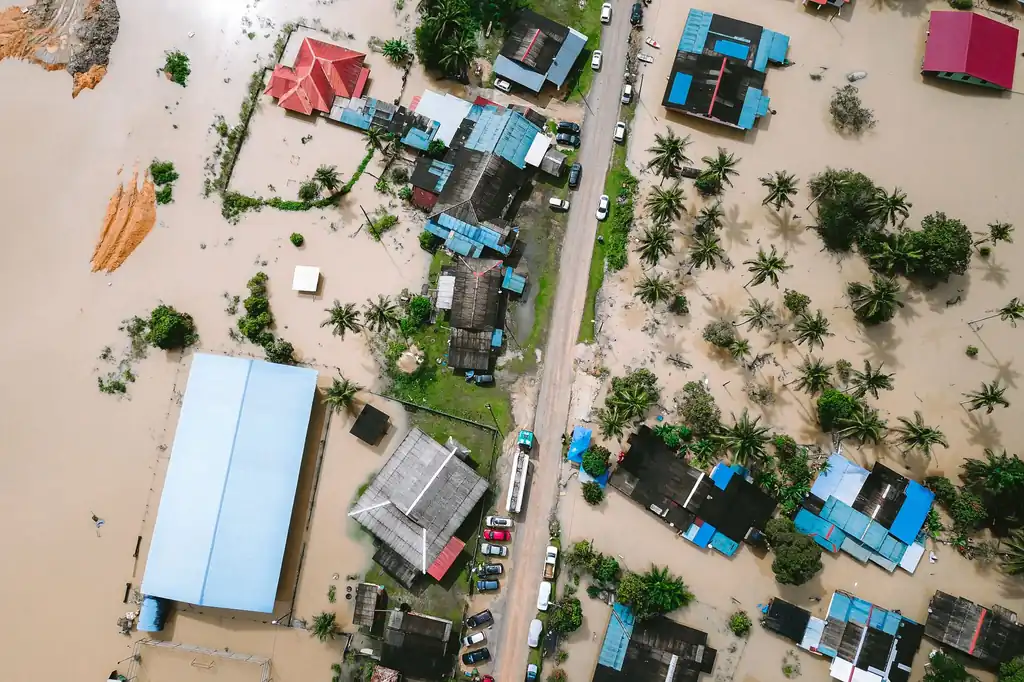
You call +1 252-385-6067 and speak to a real person, not a voicemail. We ask where the water is, whether the main is shut off, and whether any electrical panels are affected. Within minutes we dispatch a crew with extraction equipment. For most Rocky Mount addresses, we are on site within 60 to 90 minutes.
Our lead technician walks the property with a moisture meter and thermal imaging camera to map the water's path. We confirm the main is off, check for hidden wall water damage behind baseboards, and identify any safety hazards. You get a plain-English rundown of what we found before we start pulling water.
We start with the deepest water first - usually the lowest level of the home. Truck-mounted extractors and submersible pumps pull standing water fast, then we switch to weighted extraction tools for carpet and drying mats for hardwood. Absorbent pads go down in crawl spaces and tight corners where hoses cannot reach.
Air movers and dehumidifiers go in based on room size and moisture readings. We set a drying goal using the ANSI/IICRC S500 standard and return daily to check progress with hygrometers and infrared thermometers. You will see the numbers move. Most homes are dry in three to five days.
When readings hit dry standard, we remove equipment and do a final walkthrough with you. We document the completed drying log, photograph the dry areas, and hand over a summary you can send to your insurance company. If any repair work is needed - drywall, flooring, paint - we can schedule it before we leave.
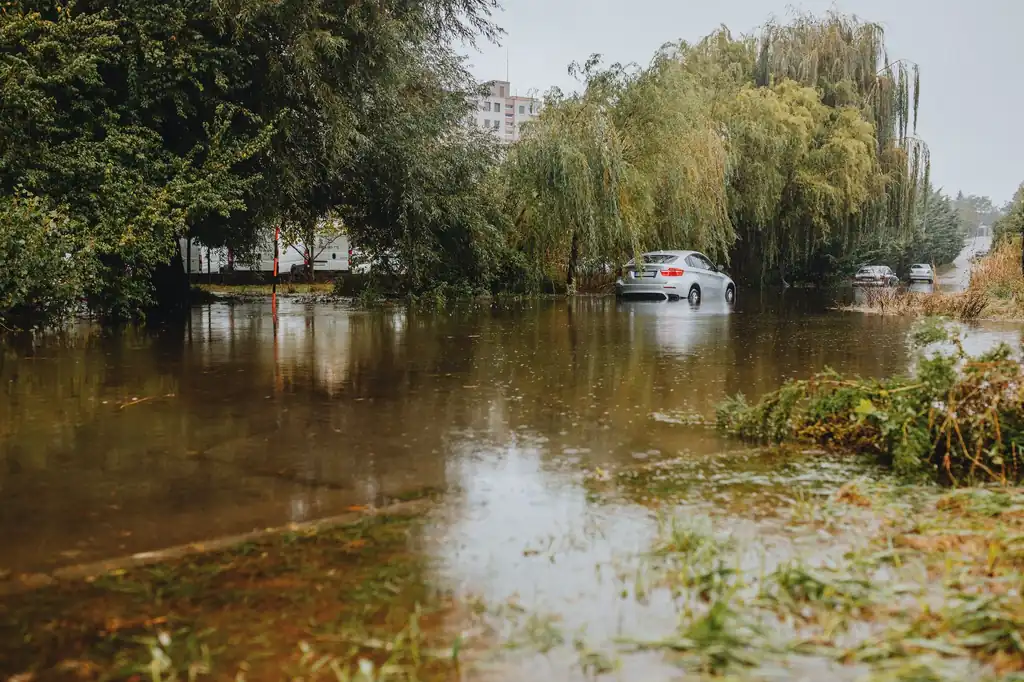
Pulls hundreds of gallons per hour from flooded floors and carpets. This is the workhorse on every burst pipe job - it removes the bulk of the water before we switch to specialty drying equipment.
Used for deep standing water in basements and crawl spaces where a standard extractor cannot reach. It pumps water out fast so we can start drying the structure sooner.
Finds hidden water behind walls, under floors, and inside ceiling cavities. It shows temperature differences caused by moisture, so we know exactly where to focus extraction and drying.
Measures moisture content in building materials and relative humidity in the air. We use these daily to track drying progress and confirm when the structure hits dry standard.
Air movers circulate air across wet surfaces to speed evaporation. Dehumidifiers pull moisture from the air so it does not re-settle into materials. Together they dry the structure in three to five days.
Pulls water from carpet and pad by applying weight and suction at the same time. It removes far more water than a standard vacuum, which improves the odds of saving the carpet.
Forces dry air directly into hardwood floors to pull moisture from the wood. It is the best option for saving cupping hardwood after a burst pipe without replacing the floor.
The industry standard for water damage restoration. It defines how we classify water, set drying goals, and verify that the structure is dry. We follow it on every job, and we document our readings against it so your insurance claim has a defensible baseline.
We map the affected area with moisture meters and thermal imaging before we start extraction. The map guides equipment placement and gives us a baseline to measure drying progress against. It also shows your adjuster exactly what was wet and what is now dry.
We return every day to check moisture readings with hygrometers and infrared thermometers. If an area is drying slower than expected, we adjust equipment placement or add more units. We do not pull equipment until the readings confirm dry standard.
After extraction, we apply antimicrobial solution to affected surfaces. This stops mold from colonizing wet materials during the drying phase. It is standard on every burst pipe job, and it is especially important when water sat for more than 24 hours.

We shut off the water, extract from the flooded rooms, and set up drying equipment. We check the walls and ceiling with thermal imaging for hidden moisture, then monitor daily until dry. We also document the loss for your insurance claim. The home is dry in four days, the hardwood floor is saved, and the insurance claim is approved without delays.
We extract water from the kitchen, hallway, and adjoining rooms, then pull moisture from the cabinet base and subfloor. Antimicrobial solution goes down after extraction. We set air movers and a dehumidifier sized for the space. The kitchen floor dries in three days, the cabinets are saved, and no mold develops behind the baseboards.
We extract water from the laundry room, hallway, and carpeted living area. The carpet pad is saturated, so we lift the carpet, replace the pad, and dry the subfloor. Drying equipment runs for three days with daily monitoring. The carpet is saved, the subfloor is dry, and the family is back to normal within a week.
We extract from both floors, remove the saturated ceiling drywall, and dry the joists and basement framing. Thermal imaging confirms no hidden moisture remains. We document the multi-room loss for the insurance claim. Both floors dry in five days, the ceiling is repaired, and the basement is back in use without mold issues.
Rocky Mount sits in Nash County, and the building stock here tells you a lot about where pipes fail. Older homes near Downtown Rocky Mount and Mill Village often still have galvanized supply lines that corrode from the inside out. Newer construction out near Cobblestone and Stoneybrook uses PEX and copper, which fail more often from freezing during a hard cold snap. We see both. Winter is our busiest season - when temperatures drop into the teens, pipes in crawl spaces and exterior walls split. But burst pipes happen year-round from washing machine supply lines, water heater failures, and corroded fittings. If you need emergency water removal from burst pipe Rocky Mount, we are set up for the local housing stock. We know how water travels through a pier-and-beam foundation versus a slab, and we know which neighborhoods have crawl spaces that need extra drying attention. We serve ZIP codes 27801, 27803, and 27804, and we work with most major insurance carriers.
Older mill houses with galvanized plumbing and pier-and-beam foundations. Burst pipes here often soak the crawl space, so we check underneath the house as well as inside.
A mix of historic commercial buildings and older homes. We see a lot of corroded supply lines and water heater failures. Access can be tight, so we bring portable extraction units.
Newer construction with PEX plumbing. Freeze events are the main cause of burst pipes here. The homes are tight, so we use thermal imaging to find hidden moisture in walls.
Established residential neighborhood with a mix of plumbing ages. Washing machine supply line failures and water heater leaks are common calls. Most homes have crawl spaces that need drying.
Larger lots with some homes on well water and longer supply runs. When a pipe bursts here, the water volume can be significant. We bring truck-mounted extractors for the volume.
Rocky Mount sees enough hard freezes to burst pipes every winter. Crawl space pipes are the most vulnerable. We extract fast and dry the crawl space with equipment sized for the space.
Galvanized lines corrode and fail without warning. When they go, the water is often rusty and the leak is hidden inside a wall. We use thermal imaging to find the source and extract from the cavity.
A burst pipe in a low-lying area can be compounded by groundwater. We pump out standing water and run dehumidifiers longer to account for the ambient moisture.
Water from a burst pipe drains into the crawl space and soaks the joists. We extract from the crawl space, remove saturated insulation, and dry the framing to prevent rot.
A supply line in the crawl space froze and split overnight in January. By morning, water had soaked the insulation and was wicking up into the subfloor of the hallway. The homeowner noticed a soft spot in the floor and called us.
We extracted 40 gallons of standing water from the crawl space, removed the saturated insulation, and dried the joists and subfloor over four days. Moisture readings returned to dry standard. The floor was saved, and no mold developed.
Maintenance: Insulate crawl space pipes and leave cabinet doors open during hard freezes. Check under the house after any winter cold snap. A $20 pipe insulation sleeve is cheaper than a $2,000 extraction.
A braided stainless supply line failed while the family was at work. Water ran for nearly two hours, flooding the laundry room, hallway, and part of the living room carpet. The pad was saturated and the carpet was floating.
We extracted the standing water, lifted the carpet, replaced the saturated pad, and dried the subfloor and carpet over three days. The carpet was saved. Total extraction and drying cost was under $1,800, and the insurance claim was approved.
Maintenance: Replace rubber or braided supply lines every five years. Use a metal-braided line with a shutoff valve. If you leave for work, know where your main shutoff is and show everyone in the house.
A pipe in the upstairs bathroom burst at 2 a.m. Water ran through the ceiling into the finished basement below. The ceiling drywall was sagging, and the basement carpet was soaked. The homeowner called us after discovering the mess at 6 a.m.
We extracted from both floors, removed the saturated ceiling drywall, and dried the joists and basement framing over five days. Thermal imaging confirmed no hidden moisture remained. The ceiling was repaired, and the basement was back in use within two weeks.
Maintenance: Know where your main shutoff is and turn it off if you leave for more than a day in winter. Install a water alarm near the water heater and washing machine. Early detection cuts the damage in half.
A burst pipe creates a chain reaction - water spreads, materials soak, mold starts, and your insurance claim gets complicated. Here are the problems we solve on every job.
Water travels inside wall cavities and ceiling joists, so the damage is often worse than it looks. By the time you see a ceiling stain, the framing above may already be saturated and at risk of mold. We use thermal imaging cameras and moisture meters to trace the water path, then extract from wall cavities and ceiling spaces with specialty tools. If drywall is saturated, we remove the affected section so the framing can dry. This stops the spread and prevents hidden mold growth.
Carpet holds water and keeps it against the subfloor. If extraction does not start within a day or two, the pad delaminates and the carpet backing separates, forcing a full replacement. We use weighted extraction tools and truck-mounted extractors to pull water from carpet and pad fast. If the pad is saturated, we lift the carpet, replace the pad, and dry the subfloor. In many Rocky Mount jobs, we save the carpet - but speed is everything.
Hardwood absorbs water through the seams and swells. Cupping starts within hours, and if the moisture is not pulled out, the boards buckle and need replacement. We extract surface water, then use floor drying mat systems to pull moisture from the wood without causing further damage. We monitor with moisture meters daily. The faster we start, the better the chance your hardwood survives the burst pipe.
Mold can start growing within 24 to 48 hours of a water event. A burst pipe that goes unnoticed overnight can leave mold colonies behind baseboards and under flooring before you even call. We apply antimicrobial solution to affected surfaces after extraction, then dry the structure to the ANSI/IICRC S500 standard. Our technicians hold IICRC AMRT certification for microbial remediation. If mold is already present, we can handle the cleanup as part of the job.
Adjusters need moisture readings, photos, and a clear scope to approve a burst pipe claim. Without proper documentation, claims get delayed or line items get denied, leaving you to cover the difference. We document every affected area with photos, moisture maps, and an Xactimate-compatible scope. You get a copy of everything we send to your carrier. Our documentation is built to answer adjuster questions on the first pass, so your claim moves forward.
$500 - $2,500 for most residential jobs; larger losses can exceed $3,500
Typical 2026 pricing for Pipe Burst Water Extraction Rocky Mount NC ranges from $500 to $2,500 for most residential jobs, with larger losses running higher. The final cost depends on how much water escaped, how far it traveled, and how many days of drying are needed. We give you a written range before we start, and we document everything for your insurance claim. If your policy covers the loss, you may only be responsible for your deductible. We work with most major carriers and can bill them directly.
The cost of extraction and drying is almost always less than the cost of replacing floors, subfloors, and drywall after mold sets in. Fast extraction protects your home and your wallet.
A single-room supply line break with quick shutoff might involve 20 to 30 gallons. A pipe that runs for hours can release hundreds of gallons and spread through multiple rooms. More water means more extraction time, more equipment, and higher cost.
The more floor area that got wet, the more extraction and drying equipment is needed. A 200-square-foot bathroom is a smaller job than an 800-square-foot open floor plan. We measure the affected area during inspection and price accordingly.
Most jobs dry in three to five days. Hardwood floors, crawl spaces, and dense materials like concrete can take longer. Each additional day of drying means equipment rental and monitoring time, which adds to the total.
Clean water from a supply line is Category 1. Water from a drain line or sewage backup is Category 2 or 3 and requires antimicrobial treatment and possibly removal of contaminated materials. Contaminated water jobs cost more because the cleanup scope is larger.
Crawl spaces, attics, and tight wall cavities take longer to extract and dry. If we have to move furniture, pull carpet, or remove baseboards to access wet areas, that adds labor. We factor access into the estimate upfront.
Most homeowner policies cover sudden burst pipe damage. If your claim is approved, you typically pay your deductible and the insurance covers the rest. We document the loss thoroughly so your claim has the best chance of approval.
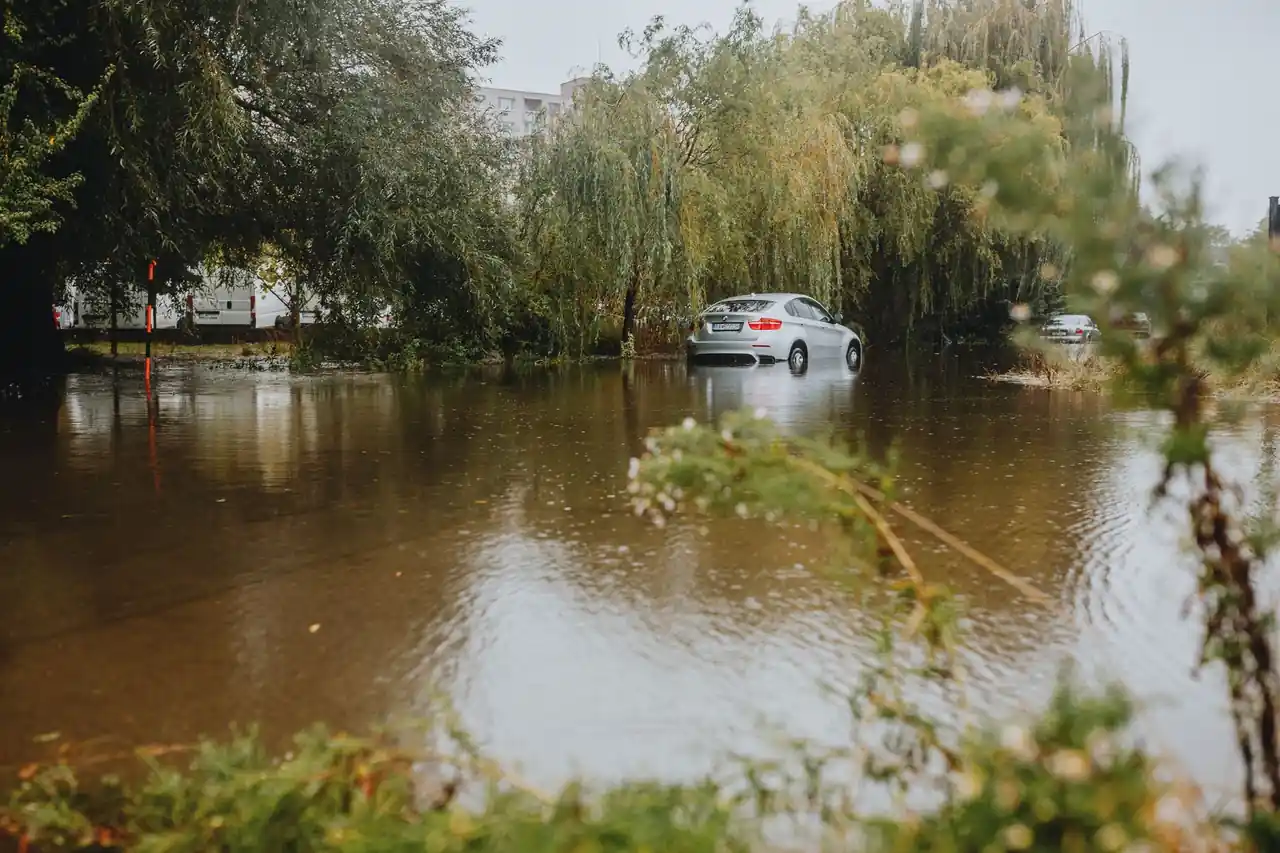
Our technicians are trained to the IICRC standard for water damage restoration, with additional certification in applied structural drying and microbial remediation. That matters when a burst pipe soaks into a wall cavity or under a hardwood floor. We carry North Carolina licensing where the work requires it, and we follow the ANSI/IICRC S500 standard on every job - not just the ones that get inspected. We have dried everything from single-room appliance leaks to whole-house pipe failures in Rocky Mount, and we bring that same process to your property.
A pipe froze and burst in our upstairs bathroom at 3 a.m. Water was coming through the ceiling into the kitchen. Water Recovery Network had a crew here in about an hour. They pulled the water out, set up dryers, and checked the moisture every day for four days. Our insurance adjuster said the documentation was the best he had seen. No mold, no ceiling replacement needed.
Our washing machine supply line broke and flooded the laundry room, hallway, and part of the living room carpet. They extracted the water the same day I called and saved the carpet. The drying equipment ran for three days. They were upfront about the cost and explained everything before they started. I would call them again without hesitation.
We manage several rental properties near Downtown Rocky Mount, and burst pipes are a recurring headache in the older buildings. Water Recovery Network has handled four jobs for us now. They are fast, they document everything for the insurance claims, and they do not leave until the moisture readings are dry. That reliability is why we keep calling.
Most residential jobs run $500 to $2,500 depending on how much water escaped and how far it traveled. A single-room supply line break with quick shutoff might land near the low end. A second-floor pipe that rains through a ceiling into a finished basement can push past $3,000. We give you a written range before we start, and we document everything for your insurance claim.
Shut off the main water valve first - usually near the street or in a utility closet. Then kill power to any flooded rooms at the breaker panel if it is safe to reach. Call us at +1 252-385-6067. Do not run a shop vac in standing water near outlets, and do not wait until morning. Water wicks into drywall and subfloor within hours, and mold can start in 24 to 48 hours.
Extraction itself usually takes two to four hours for an average Rocky Mount home. Drying is the longer phase - typically three to five days with air movers and dehumidifiers running. We monitor daily with moisture meters and will not pull equipment until readings hit dry standard. If your home has hardwood or a crawl space, expect the drying phase to run closer to five days.
Our team provides 24/7 emergency burst pipe water removal in Rocky Mount and across Nash County, including ZIP codes 27801, 27803, and 27804. We answer the phone around the clock and dispatch extraction crews with truck-mounted equipment. If you are in Downtown Rocky Mount, West Haven, or out near Bunn Road, we can be on site within 60 to 90 minutes.
Not seeing your question? Our local team can help you understand urgency, scheduling and what to expect.
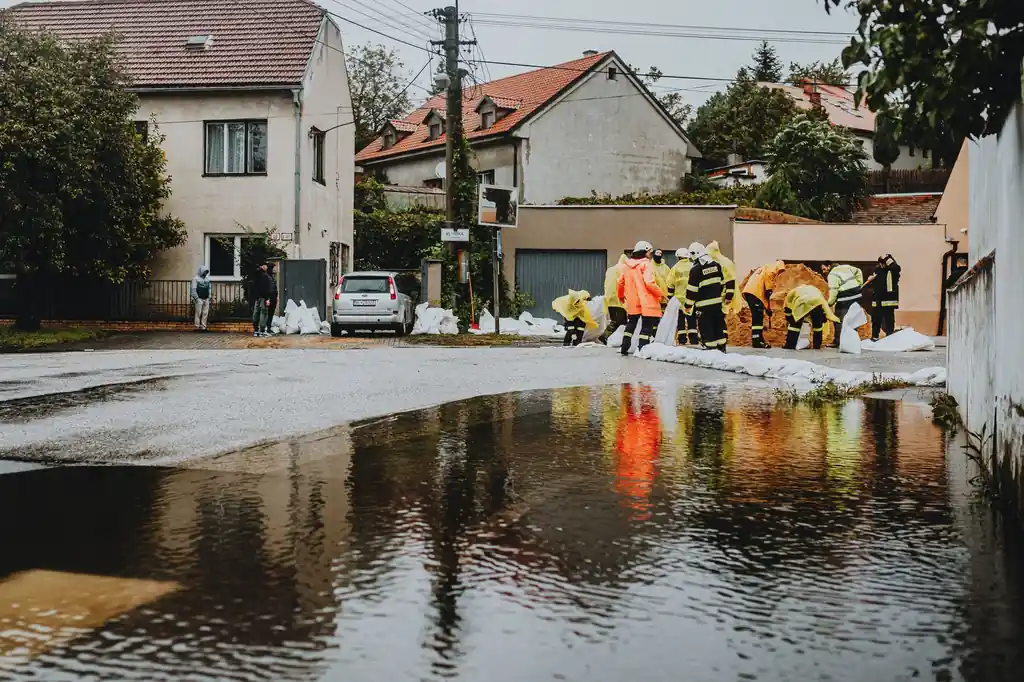
Ask the local teamWhen a pipe bursts, emergency water extraction is the first step. We pull standing water from floors, carpet, and crawl spaces using truck-mounted units, then set up drying equipment. This is the core service that stops a burst pipe from becoming a mold problem in your Rocky Mount home.
View serviceA burst pipe rarely happens during business hours. Our 24/7 water damage restoration crews handle the full scope - extraction, drying, repairs, and documentation - so you are not coordinating three different contractors. One call covers the whole job, day or night, anywhere in Nash County.
View service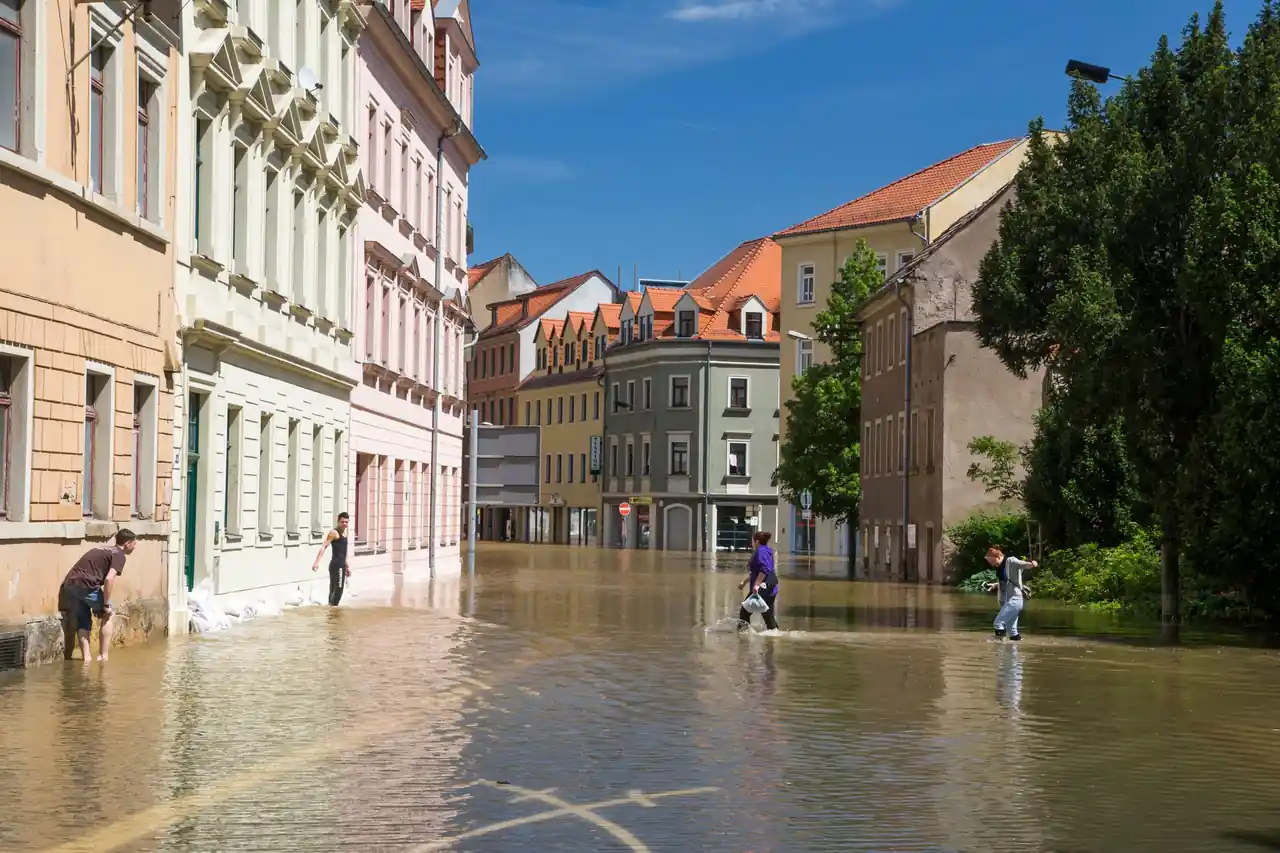
Burst pipes on upper floors often drain straight into the basement. We use submersible pumps and truck-mounted extractors to remove standing water fast, then dry concrete walls and floors with dehumidifiers and air movers. If your Rocky Mount basement floods from a burst pipe, we can usually extract the same day.
View service
Emergency water removal is what we do when water is actively spreading. Whether it is a burst pipe, a failed supply line, or a sump pump failure, we arrive with extraction equipment and stop the damage from getting worse. Fast removal is the difference between drying and replacing.
View service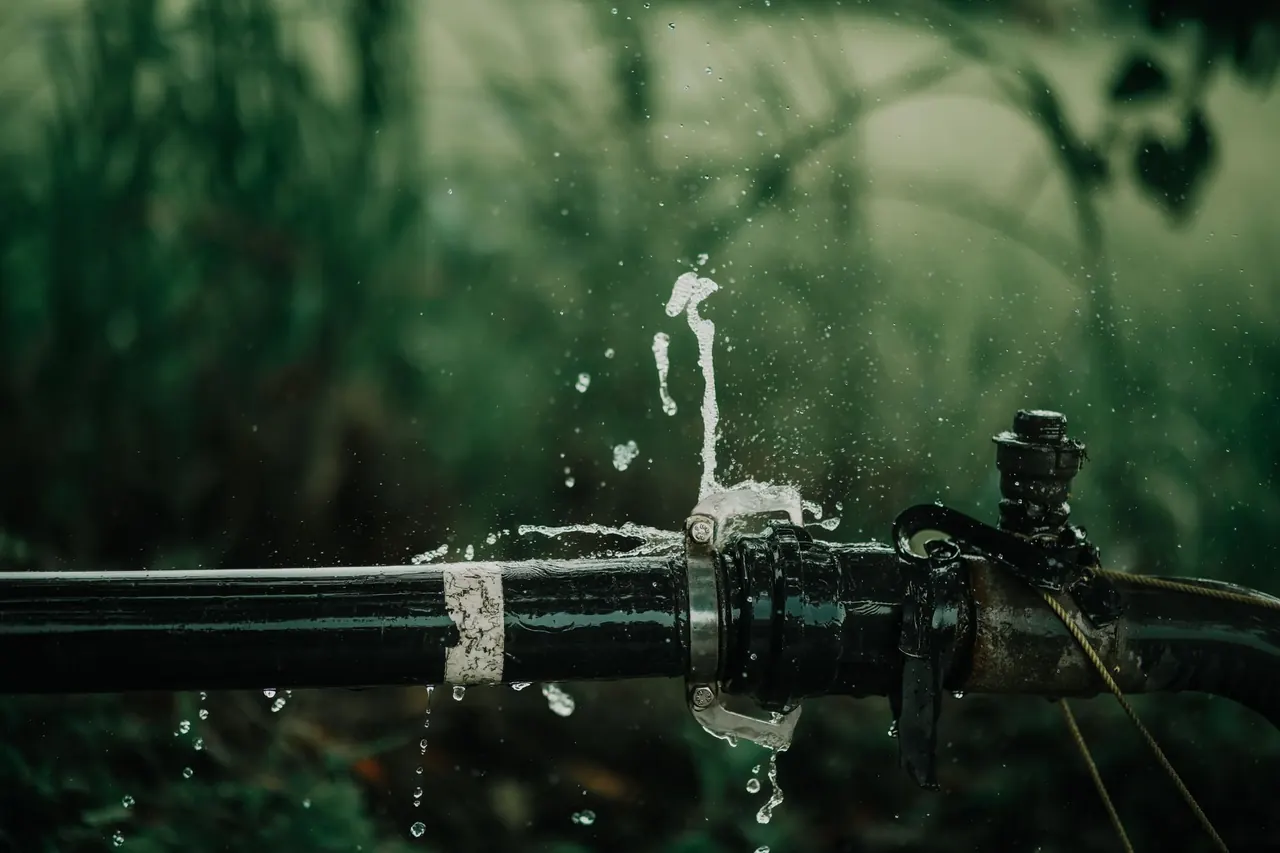
Our line is answered 24/7, and we dispatch crews day and night across Rocky Mount and Nash County. Call and we will ask a few questions about the source and the rooms affected, then give you a real arrival window. If you are not sure whether you need extraction, call anyway - we will tell you straight.