Focused arrival windows
Useful updates and clear arrival timing.
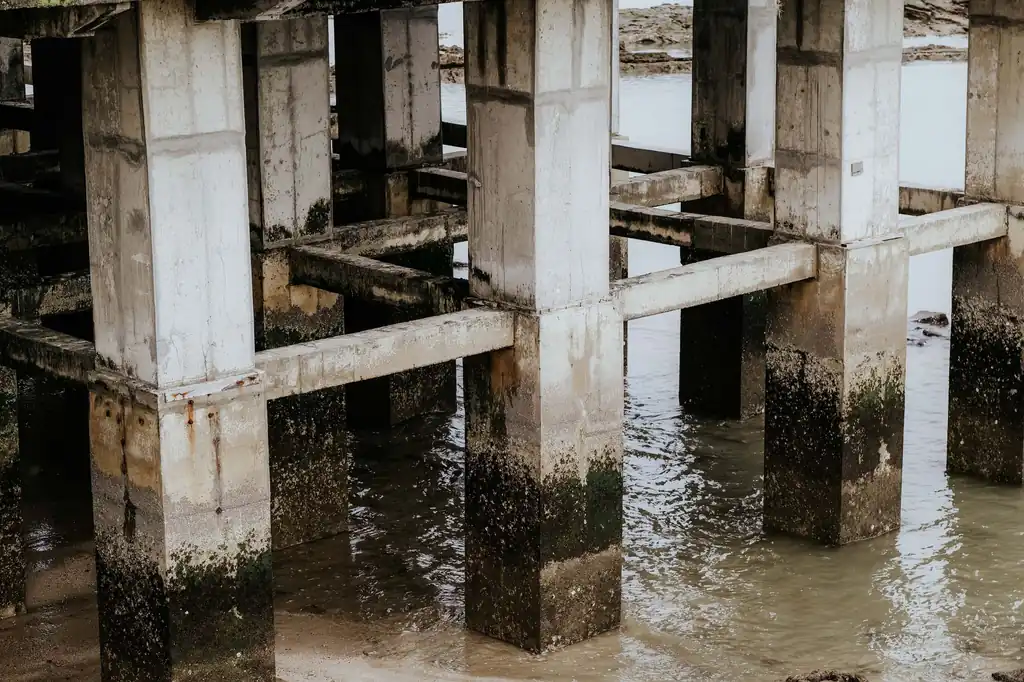
Roof Leak Water Extraction Rocky Mount NC starts with a phone call and ends with a dry ceiling, dry insulation, and a moisture meter reading that proves it. We handle roof leak water removal in Rocky Mount for homeowners in Nash County whose shingles failed during a storm, whose flashing rusted through, or whose attic has been quietly soaking a joist for weeks. We extract standing water, dry the structure, and document everything your insurance adjuster needs.
Useful updates and clear arrival timing.
Review the approach and price before deciding.
Equipped vehicles and respectful cleanup.
Neighbors serving neighbors with follow-through.
Every roof leak water extraction job includes the core services below. If your situation needs something extra, like attic insulation replacement or drywall repair, we will tell you upfront and quote it separately so there are no surprises.
We use a thermal imaging camera, moisture meter, and hygrometer to map every wet surface, including hidden moisture inside walls and ceilings. You get a clear picture of the damage before we start extracting.
We pull standing water with a truck-mounted water extractor, submersible pump, and wet/dry vacuum. Extraction hoses reach into attics, wall cavities, and crawl spaces where water hides after a roof leak.
We apply antimicrobial solution to every wet cavity, joist, and insulation surface. This stops mold and bacteria from colonizing while the structure dries, which protects your indoor air quality and your family's health.
We place air movers and dehumidifiers to dry ceilings, walls, and floors. A floor drying mat system handles hardwood and tile. We monitor daily with a moisture meter and do not stop until the structure meets the dry standard.
We photograph moisture readings, log equipment placement, and build an Xactimate scope that matches what your adjuster expects. This shortens the claims process and helps you get reimbursed faster.
Before we leave, we verify every reading against a dry standard and give you a completion report. You will know exactly what was wet, what we did, and what the final moisture levels are.
Share what is happening and receive a clear next step from the local team.
Roof Leak Water Extraction Rocky Mount NC is the process of removing trapped water from ceilings, attics, wall cavities, and insulation after a roof failure, then drying the structure to prevent mold and rot. Water from a roof leak does not stay where it lands. It follows rafters, soaks into blown-in insulation, drips down through top plates, and pools inside your wall cavity where you cannot see it. A truck-mounted water extractor pulls the bulk water, but the real work is finding every wet surface with a thermal imaging camera and a moisture meter before mold colonizes in 24 to 48 hours.
In Rocky Mount, roof leaks spike after summer thunderstorms and fall nor'easters. Homes in Mill Village and Riverside often have original 1950s sheathing that holds water like a sponge. If you have seen a brown ring spread across your ceiling or heard a drip inside a wall at 2 a.m., you need emergency water removal from roof leak Rocky Mount before that moisture reaches your HVAC system or your electrical boxes. We respond 24/7 and can be on-site in most of Nash County within the hour.

You call, we answer. We ask where the water is showing up, how long it has been leaking, and whether the ceiling is bulging. That tells us what equipment to load. We give you an arrival window and stay on the line to walk you through shutting off power to affected rooms if needed.
On arrival, we run a thermal imaging camera across ceilings and walls to find hidden moisture, then confirm readings with a moisture meter and hygrometer. We map the full extent of the leak, including where water traveled inside the wall cavity, before we touch a single hose.
We pull standing water with a truck-mounted water extractor and use a submersible pump for deep pockets in attics or crawl spaces. A wet/dry vacuum and extraction hoses handle the edges. This step usually takes one to three hours depending on how much water the structure is holding.
We place air movers and dehumidifiers to dry the ceiling, walls, and insulation. A floor drying mat system pulls moisture from hardwood or tile, and we check progress daily with a moisture meter. Most Rocky Mount roof leak jobs dry in three to five days.
We do not pack up until every reading matches a dry standard. We document the final moisture levels, photograph the dry structure, and hand you a completion report for your insurance file. If any material cannot be saved, we tell you exactly what needs replacement before we leave.

Pulls large volumes of standing water from ceilings, floors, and carpet. It is the workhorse on every roof leak job and can remove hundreds of gallons in a single visit.
Reveals hidden moisture behind walls and above ceilings by reading temperature differences. It lets us find water that a visual inspection would miss entirely.
Confirms exactly how wet a material is and tracks drying progress day by day. We use these readings to decide when the structure is truly dry.
Removes deep standing water from attics, crawl spaces, and basements where a standard extractor cannot reach. It handles the pockets that would otherwise stay wet.
Dry the structure after extraction. We use Dri-Eaz and Phoenix Restoration Equipment units sized to the room, and we monitor them daily until moisture readings hit the dry standard.
Pulls moisture out of hardwood, tile, and subfloor without causing warping. It is the gentlest way to dry a floor that has taken on roof leak water.
Presses water out of carpet and pad after a roof leak. It removes far more water than a standard vacuum and speeds up the drying timeline.
This is the industry standard for water damage restoration. It tells us how to classify the water, how much drying equipment to place, and when the structure is dry. We follow it on every job and document our readings against it.
We scan ceilings, walls, and floors with a thermal imaging camera, then confirm every anomaly with a moisture meter. This method finds water that has traveled far from the leak source, which is common in Rocky Mount's older homes.
After extraction, we apply antimicrobial solution to every wet cavity and surface. This stops mold and bacteria from growing while the structure dries, which is critical in North Carolina's humid climate.
We check moisture readings every day and adjust equipment placement as needed. This prevents us from pulling equipment too early, which is the most common cause of mold returning after a roof leak.
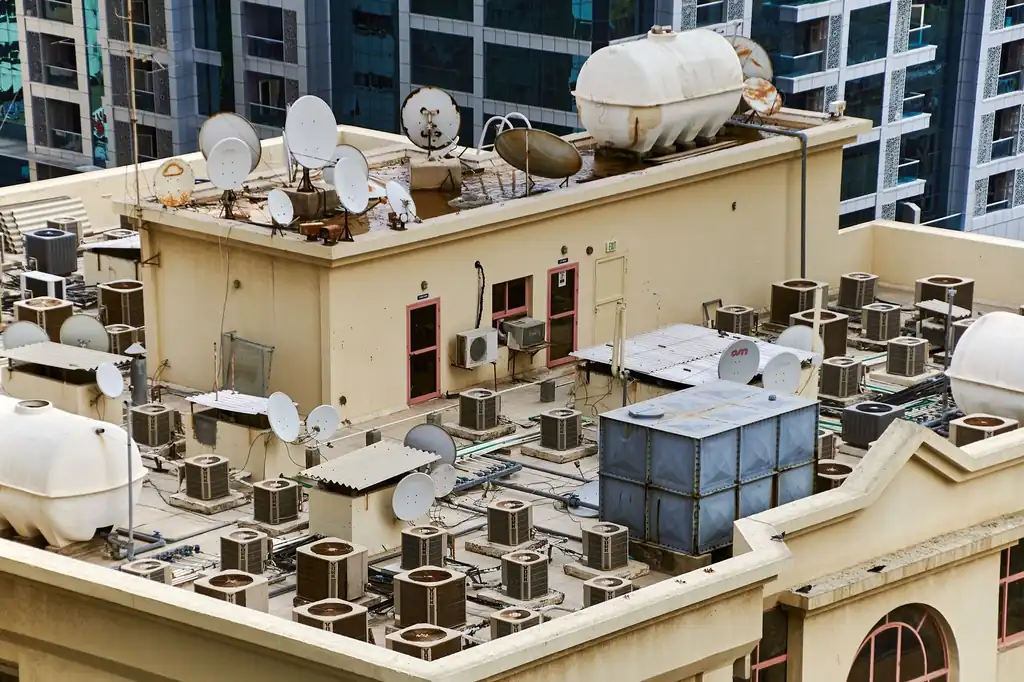
We extract the water from the attic insulation and ceiling, set drying equipment, and document the damage for insurance. We also check the flashing and vent boots for the next storm. The ceiling dries without sagging, the insulation is replaced, and the homeowner has a clean claim file for repairs.
We use a thermal imaging camera to find every wet cavity, extract with a truck-mounted unit, and dry slowly to protect the historic plaster and framing from cracking. The building dries without damaging the original plaster, and the owner avoids a mold problem in the wall cavities.
We respond the same day, extract the trapped water, treat the cavity with antimicrobial solution, and run dehumidifiers until the moisture meter reads dry. The ceiling stain stops spreading, no mold develops, and the repair is limited to a patch and paint instead of a full ceiling replacement.
We dispatch a crew with a submersible pump and commercial extractors, remove the standing water, and dry the space fast enough to reopen the unit. The tenant is back in the space within three days, and the owner has documentation for the insurance claim.
Rocky Mount sits in Nash County, where summer humidity regularly tops 80 percent and fall nor'easters drive rain sideways into roof valleys. That combination means roof leak water does not dry on its own. Homes in Mill Village and Riverside often have original sheathing and plaster that hold moisture longer than modern materials, so we extend drying times and monitor readings closely. Newer subdivisions like Cobblestone and Stoneybrook use engineered lumber and blown-in insulation, which wick water fast and need immediate extraction. We follow the ANSI/IICRC S500 Standard on every job and document moisture readings for your insurance claim. If you need roof leak water removal Rocky Mount NC homeowners can count on after a storm, we are set up to respond across ZIP codes 27801, 27803, and 27804. We also coordinate with local roofers and North Carolina General Contractor License holders when the leak source needs repair before the next rain.
Many homes here date to the 1920s and have original wood sheathing and plaster walls. Water travels farther inside these walls, so we map moisture carefully before we start drying.
Riverside sits close to the Tar River, where storm-driven rain and high humidity slow drying. We run dehumidifiers longer here to pull moisture out of the air as well as the structure.
Newer construction in Cobblestone uses engineered lumber and blown-in insulation. These materials soak up water quickly, so fast extraction matters more than extended drying.
Downtown buildings often have flat or low-slope roofs where water pools and finds seams. We see more ceiling leaks here than in any other part of the city.
High humidity slows evaporation and keeps wet materials damp longer. We size dehumidifiers larger and run them longer to compensate.
Sideways rain pushes water into flashing, vent boots, and roof valleys. These leaks often show up inside walls rather than on the ceiling, so thermal imaging is essential.
Original wood sheathing and plaster absorb water slowly and release it slowly. We extend drying timelines and verify with moisture meters before removing equipment.
After a roof leak, water can travel down and pool near the foundation. We check basements and crawl spaces for secondary moisture before we finish the job.
A storm pushed water through worn shingles, and a brown stain spread across the living room ceiling. The drywall was soft to the touch, and a moisture meter read 28 percent in the joists above.
We extracted the trapped water, dried the joists and drywall over four days, and brought the moisture reading down to 11 percent. The stain stopped spreading, and the homeowner only needed a patch and paint.
Maintenance: Have the roof flashing and shingles inspected before the next storm season. Keep the attic ventilated so humidity does not build up and slow future drying.
A fall nor'easter drove rain into the roof valley, soaking the attic insulation and dripping onto the ceiling below. The insulation was compressed and the ceiling showed a growing stain.
We removed the saturated insulation, extracted water from the sheathing and joists, and dried the attic over five days. New insulation restored the R-value, and the ceiling dried without sagging.
Maintenance: Check roof valleys and flashing each fall before storm season. Replace any insulation that gets wet again, because compressed insulation loses its thermal value.
A weekend roof leak left standing water across a commercial unit floor. The tenant could not open Monday morning, and the carpet was saturated through the pad.
We extracted the standing water with a submersible pump and truck-mounted unit, removed the ruined pad, and dried the concrete and carpet over three days. The tenant reopened by Wednesday.
Maintenance: Schedule a roof inspection twice a year and keep gutters clear. If the flat roof ponds after rain, have a roofer check the drainage before the next storm.
Roof leaks show up in different ways depending on the age of your home and the storm that caused them. Here are the most common problems we solve for Rocky Mount homeowners.
A stain means water is pooling above the drywall. Left alone, the drywall sags, the joists soften, and mold starts growing in the insulation within 48 hours. We extract the water from above the ceiling, relieve any bulge safely, and dry the drywall and joists. If the drywall is too damaged to save, we remove and replace it after the structure is dry.
Hidden wall moisture rots framing, ruins insulation, and can reach electrical outlets. You often do not notice until you smell mildew or see paint bubbling. We use a thermal imaging camera to locate the moisture, extract through small access points, and dry the cavity with directed air movers. We treat the framing with antimicrobial solution before closing it up.
Wet insulation loses its R-value and compresses, which raises your energy bills. It also keeps the ceiling below it wet, feeding mold growth long after the leak stops. We remove saturated insulation, extract water from the sheathing and joists, dry the attic, and replace the insulation once the structure is dry. This restores your home's thermal performance.
Roof leak water follows gravity through top plates and floor cavities. A leak in the attic can show up as a stain on a first-floor ceiling, which makes the source hard to find. We trace the water path with moisture meters and thermal imaging, extract from every affected level, and dry the full path. This stops the leak from reappearing after the next rain.
$350 - $1,800 depending on scope
Typical 2026 pricing for roof leak water extraction in Rocky Mount runs $350 to $1,800, with most jobs landing around $850. The final number depends on how much water is trapped, how many rooms are affected, and how many days of drying are needed. We give you a written range before we start, and we document everything for your insurance claim. If your policy covers the leak, you usually pay your deductible and nothing more. We do not add surprise fees after the job.
The cost of extraction and drying is a fraction of what mold remediation or structural repair costs later. Getting the water out fast protects your home and your insurance claim.
A small ceiling leak that soaked one room costs less than a leak that filled an attic and ran down two floors. More water means more extraction time and more drying equipment.
Each additional room needs its own air movers, dehumidifiers, and monitoring. A single-room job might take three days to dry, while a multi-room job can take five or more.
Carpet and pad dry faster than hardwood or plaster. If water reached hardwood floors or original plaster walls, drying takes longer and may require a floor drying mat system.
If mold has already started, we add antimicrobial treatment and possibly remove affected materials. Catching the leak early usually avoids this cost entirely.
Most sudden roof leak damage is covered by homeowners insurance in North Carolina. We document the scope in Xactimate so your adjuster can process the claim, which often means you pay only your deductible.
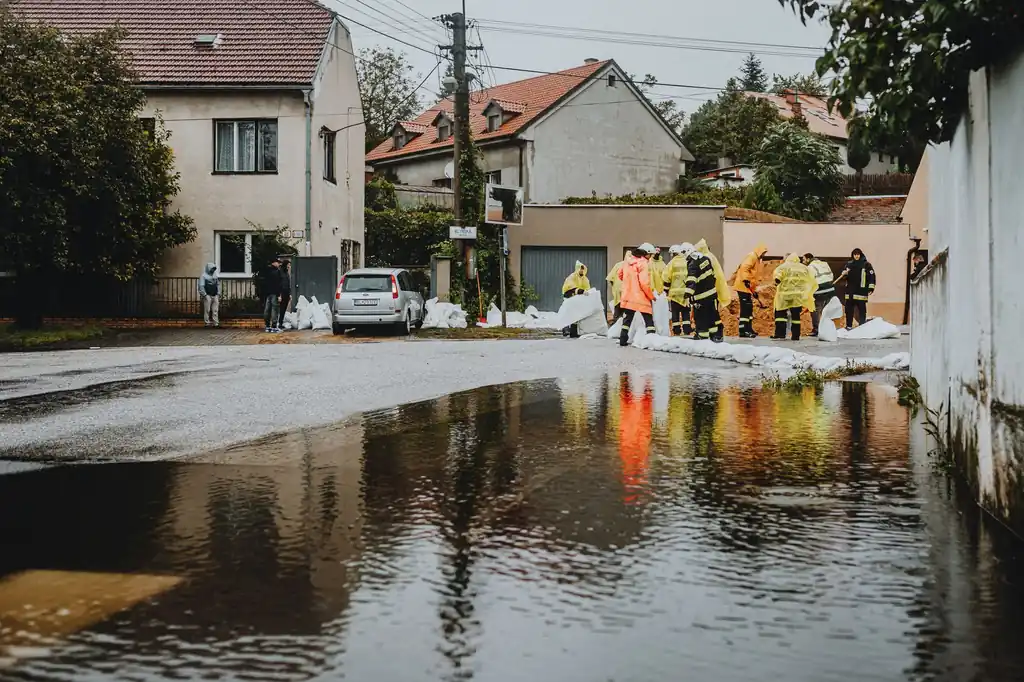
Our technicians hold IICRC WRT (Water Restoration Technician) and IICRC ASD (Applied Structural Drying) certifications, and we follow the ANSI/IICRC S500 Standard on every job. We also carry OSHA 10 and EPA Lead-Safe Certification, which matters in Rocky Mount's older housing stock where lead paint is still present in homes built before 1978. We work with North Carolina General Contractor License holders and NC Plumbing License holders when a roof leak ties into a plumbing vent or a failed pipe boot. We know Nash County building stock, from 1920s mill houses to 1990s subdivisions, and we know how each one dries.

A storm pushed water through my roof and I had a brown stain spreading across the ceiling by morning. Water Recovery Network had a crew out in under an hour. They found water inside the wall with a thermal camera, extracted it, and set up drying equipment. Five days later the moisture meter read dry. Insurance covered most of it.
I heard dripping inside my wall for two days before I called. They found the leak source, extracted the water, and treated the cavity with antimicrobial solution. The technician showed me the moisture readings before and after, which made the insurance claim easy. No mold, no smell, no drama.
We manage several older buildings downtown and roof leaks are a constant battle. Water Recovery Network has handled three calls for us this year. They document everything in Xactimate, communicate clearly, and dry the units fast enough that we do not lose rental income. That is why we keep calling.
Most roof leak water extraction jobs in Rocky Mount run $350 to $1,800, with the average around $850. Cost depends on how much water is trapped, how many rooms are affected, and how many days of drying are needed. If your insurance covers the leak, you typically pay your deductible only. We give you a written range before we start.
Yes, most homeowners policies in North Carolina cover sudden roof leak water damage, including extraction and drying, when the leak is from a storm or accidental damage. Wear-and-tear leaks that developed over months are often excluded. We document the cause and scope in Xactimate so your adjuster can process the claim quickly.
Extraction usually takes two to four hours. Drying takes three to five days on average, depending on humidity and how deeply water soaked into insulation or subfloor. We check moisture readings daily and do not remove equipment until the structure meets the dry standard under ANSI/IICRC S500.
Water Recovery Network offers 24/7 emergency roof leak water removal in Rocky Mount and across Nash County. Call +1 (252) 385-6067 and we dispatch a crew with a truck-mounted water extractor, submersible pump, and drying equipment. Most calls in ZIP codes 27801, 27803, and 27804 get a technician on-site within 60 minutes.
Not seeing your question? Our local team can help you understand urgency, scheduling and what to expect.
Ask the local team
When a roof leak dumps water fast, emergency water extraction is the first step. We pull standing water from ceilings and floors before it spreads. This is the core service behind every roof leak call we run in Rocky Mount.
View service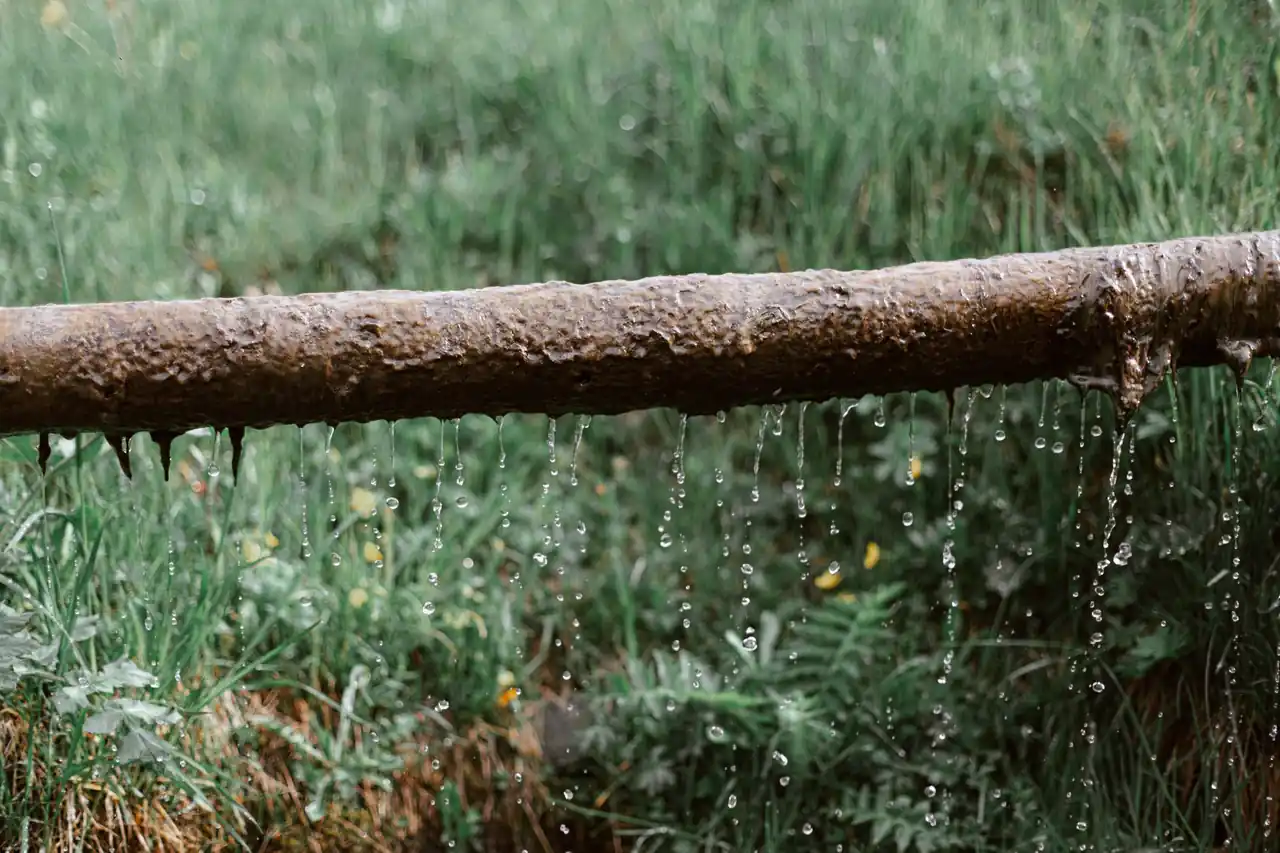
Roof leaks do not keep business hours. Our 24/7 water damage restoration crew handles overnight calls in Rocky Mount, from extraction through final drying, so a 2 a.m. ceiling leak does not become a morning mold problem.
View service
A roof leak can travel down wall cavities and pool in your basement. We remove that standing water with submersible pumps and extractors, then dry the space to prevent musty odors and foundation damage in Rocky Mount homes.
View service
Emergency water removal covers any sudden water intrusion, including roof leaks, pipe bursts, and appliance failures. We respond 24/7 across Rocky Mount with truck-mounted extractors and drying equipment ready to deploy.
View service
Our line is answered 24/7, and we dispatch crews day and night across Rocky Mount and Nash County. Call and we will ask a few questions about the source and the rooms affected, then give you a real arrival window. If you are not sure whether you need extraction, call anyway - we will tell you straight.