Focused arrival windows
Useful updates and clear arrival timing.
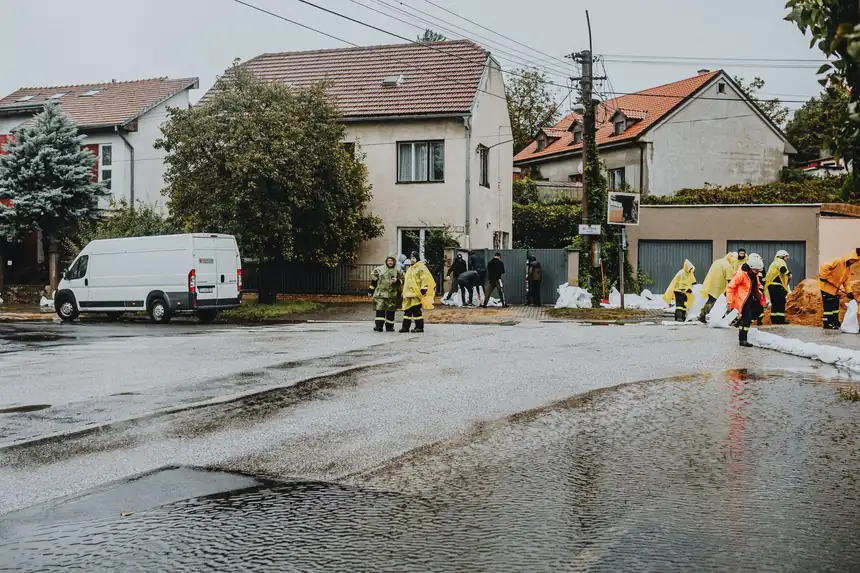
When a storm dumps water into your Rocky Mount home, every minute counts. Our team provides Storm Damage Water Extraction Rocky Mount NC with truck-mounted extractors, moisture meters, and IICRC-certified drying. We handle flooded basements, roof leaks, and storm-driven water intrusion across Nash County. Call now for same-day service and a clear plan to get your property dry.
Useful updates and clear arrival timing.
Review the approach and price before deciding.
Equipped vehicles and respectful cleanup.
Neighbors serving neighbors with follow-through.
Every storm water job is different, but our standard service covers the critical steps to remove water and dry your property. Here is what is included when you call us.
We answer calls around the clock and dispatch a crew with truck-mounted extractors and portable units. You get an arrival window and a direct contact for the technician. We prioritize storm damage because water spreads fast.
We use moisture meters, thermal imaging cameras, and hygrometers to find all affected areas. This includes hidden moisture in walls, ceilings, and crawl spaces. The inspection tells us exactly where to focus extraction and drying.
We remove standing water with submersible pumps and truck-mounted extractors. For carpets and upholstery, we use weighted extraction tools and wet/dry vacuums. We also remove saturated debris and dispose of it properly.
We set air movers, dehumidifiers, and floor drying mat systems to dry the structure. We monitor moisture daily and adjust equipment as needed. Drying typically takes three to five days, depending on materials and humidity.
Where water may have introduced bacteria or mold spores, we apply antimicrobial solution to affected surfaces. This includes areas affected by sewage backups or storm water that sat too long. It helps prevent microbial growth during and after drying.
We photograph affected areas, log moisture readings, and prepare Xactimate-compatible reports. This documentation supports your insurance claim and helps your adjuster process it faster. We can communicate directly with your adjuster if needed.
Share what is happening and receive a clear next step from the local team.
Storm Damage Water Extraction Rocky Mount NC is the process of removing standing water, saturated debris, and hidden moisture from a building after a storm. We use truck-mounted water extractors, submersible pumps, and wet/dry vacuums to pull water out of carpets, subfloors, crawl spaces, and wall cavities. Then we set air movers and dehumidifiers to dry the structure to IICRC S500 standards. It is not just about visible puddles; it is about stopping mold, warped floors, and structural rot before they start.
Rocky Mount sits in Nash County where heavy summer thunderstorms, tropical systems, and winter ice storms regularly push water through roofs, windows, and foundations. Older homes near Downtown Rocky Mount and Mill Village often have crawl spaces that flood fast when the ground saturates. If you search for storm damage water removal Rocky Mount after a big rain, you need a crew that knows how local soil, drainage, and building styles react. We have extracted water from flooded basements, pipe bursts, and roof leaks across the area, and we know what to check first.

You call our 24/7 line and describe the water you see. We ask about the source, the rooms affected, and whether power is safe. Within minutes we dispatch a crew with truck-mounted water extractors and portable units. You get an arrival window and a direct phone number for the technician heading your way.
On arrival we locate the water source and stop it if possible, whether that means shutting a valve, tarping a roof leak, or isolating a sewage backup. We use moisture meters, hygrometers, and infrared thermometers to map how far water has traveled. This inspection takes 20 to 40 minutes and tells us exactly what equipment you need.
We run extraction hoses from our truck-mounted unit or set up portable extractors for tight spaces. Submersible pumps handle deep standing water in basements and crawl spaces. Wet/dry vacuums and weighted extraction tools pull water from carpets and pads. Most residential jobs remove the bulk of standing water in two to four hours.
After extraction we place air movers, dehumidifiers, and floor drying mat systems to evaporate remaining moisture. We monitor with moisture meters and thermal imaging cameras each day. Typical drying takes three to five days depending on materials, humidity, and how long the water sat before you called.
We do not pack up until readings match dry standard for your building materials. We check walls, subfloors, and crawl spaces with a hygrometer and document the results. You get a summary of what was wet, what we did, and what to watch for. If any area is still above target, we keep drying.
Provides powerful suction to remove large volumes of water from carpets, floors, and basements quickly.
Reaches tight spaces like crawl spaces, closets, and upper floors where a truck-mounted unit cannot go.
Pumps out deep standing water from flooded basements and crawl spaces before extraction.
Detects hidden moisture behind walls and under floors without opening up surfaces.
Measures moisture content in building materials and monitors drying progress daily.
Dries the structure by circulating air and removing moisture from the air after extraction.
Pulls water from deep within carpet fibers and padding for faster drying.
We follow this standard for water damage restoration, which sets guidelines for extraction, drying, and moisture monitoring. It ensures we dry your property to the correct targets and document the process properly.
We use moisture meters and thermal imaging to map all affected areas. This tells us where water has traveled and helps us place drying equipment strategically.
We check moisture readings every day and adjust equipment as needed. This ensures drying stays on track and we do not remove equipment too early.
We apply antimicrobial solution to surfaces that may have been exposed to bacteria or mold spores. This is especially important for sewage backups and storm water that sat for more than 24 hours.
We dispatch a crew with truck-mounted extractors and submersible pumps. We remove the water, extract from floors and walls, and set drying equipment. We also check for sump pump failure and recommend fixes. Your basement is dry within four to five days, and you have documentation for your insurance claim.
We shut off the water, extract from ceilings and walls, and remove wet insulation. We dry the framing with air movers and dehumidifiers, and we tarp the roof if needed to stop further leaks. The ceiling and walls are dried without mold growth, and the repair scope is documented for insurance.
We inspect with moisture meters and thermal cameras, pump out standing water, and set dehumidifiers. We also check for pipe leaks and recommend a moisture barrier to prevent future intrusion. The crawl space is dry, the musty smell is gone, and you have a plan to keep it dry.
We extract the contaminated water with protective gear, sanitize surfaces with antimicrobial solution, and dispose of ruined materials. We dry the area and document everything for your insurance claim. The bathroom is clean and dry, and the health hazard is removed.
Rocky Mount's climate brings heavy summer thunderstorms, tropical systems, and occasional winter ice storms. The clay soil in Nash County drains slowly, so water pools around foundations and seeps into crawl spaces. Older homes in Downtown Rocky Mount and Mill Village often have original plumbing and crawl spaces that flood fast. Newer neighborhoods like Stoneybrook and Cobblestone have different drainage but still face storm water intrusion. When you call for storm damage water removal Rocky Mount NC, we know to check crawl spaces, basements, and wall cavities first. We also know local building codes and can document damage for insurance. If you need emergency water removal from storm damage Rocky Mount, we can be on site the same day.
Older commercial and residential buildings with basements that flood during heavy rain. We check for foundation seepage and pipe bursts.
Historic homes with crawl spaces and original plumbing. Storm water often intrudes through foundation vents and old pipes.
Residential area with slab-on-grade homes. Water from storms can seep under doors and through roof leaks.
Mix of residential and commercial properties. We respond to flooded basements and storm water intrusion in both.
Water pools around foundations and seeps into crawl spaces and basements, requiring fast extraction to prevent structural damage.
Intense rain overwhelms gutters and drainage, sending water into roofs, windows, and foundations.
Freezing temperatures cause pipe bursts, which can flood homes quickly and require emergency extraction.
Many homes have original plumbing and crawl spaces that are more vulnerable to water intrusion and damage.
A summer storm dumped three inches of rain in two hours, and a Downtown Rocky Mount homeowner found two inches of standing water in the basement. Cardboard boxes, old furniture, and the water heater were soaked. The homeowner called us at 6 a.m.
We arrived by 8 a.m., pumped out the water, and extracted from the concrete floor and walls. We set dehumidifiers and air movers and monitored for four days. The basement was dry, and we documented the damage for insurance. The homeowner replaced the water heater and stored items on shelves.
Maintenance: We recommended a sump pump with a battery backup and a moisture barrier on the walls. The homeowner also cleared gutters and extended downspouts to direct water away from the foundation.
An ice storm caused a pipe to burst in the attic of a Mill Village home, sending water through the ceiling and into two bedrooms. The ceiling was sagging, and insulation was soaked. The homeowner noticed water dripping at 2 a.m.
We shut off the water, extracted from the ceiling and walls, and removed wet insulation. We dried the framing with air movers for five days. The ceiling was repaired, and the homeowner filed an insurance claim with our documentation. The rooms were back to normal in two weeks.
Maintenance: We advised the homeowner to insulate exposed pipes in the attic and keep the attic temperature above freezing. They also scheduled an annual roof inspection before winter.
Three days of rain left four inches of water in a West Haven crawl space. The homeowner noticed a musty smell and high humidity in the living room. The crawl space had no moisture barrier, and the soil was saturated.
We pumped out the water, removed debris, and set dehumidifiers for three days. We installed a moisture barrier and checked for pipe leaks. The musty smell was gone, and humidity levels returned to normal. The homeowner saved the floor above from warping.
Maintenance: We recommended a yearly crawl space inspection and keeping gutters clean. The homeowner also installed a sump pump to handle future water intrusion.
Storm water creates a range of problems, from visible flooding to hidden moisture. Here are the most common issues we handle for Rocky Mount homeowners.
Standing water can ruin stored items, damage the foundation, and grow mold within 48 hours. It also creates a safety hazard if electrical panels or appliances are affected. We pump out the water with submersible pumps, extract from concrete and walls, and set dehumidifiers to dry the space. We also check for sump pump failure and recommend fixes to prevent repeat flooding.
Water from a roof leak can saturate insulation, stain ceilings, and weaken drywall. If ignored, it leads to mold growth and structural damage that is expensive to repair. We extract water from ceilings and walls, remove wet insulation, and dry the framing with air movers. We also tarp the roof if needed to stop further intrusion and document the leak for your insurance claim.
Water in a crawl space can rot floor joists, warp subfloors, and create a breeding ground for mold. It also raises humidity in the living space above. We pump out standing water, remove saturated debris, and set dehumidifiers to dry the crawl space. We check for pipe leaks and recommend moisture barriers to keep water out in the future.
Sewage-contaminated water is a health hazard and can cause serious illness. It also ruins flooring, drywall, and belongings, and leaves persistent odors. We extract the water with protective gear, sanitize surfaces with antimicrobial solution, and dispose of ruined materials safely. We document everything for your insurance claim and dry the area to prevent mold.
Water can wick up inside walls without visible signs, leading to mold growth and structural rot. By the time you notice, the damage is often extensive. We use thermal imaging cameras and moisture meters to find hidden water, then extract and dry the wall cavities. Early detection saves drywall and framing, and we document findings for your records.
$500 - $2,500 depending on scope
Most storm damage water extraction jobs in Rocky Mount range from $500 to $2,500, depending on the size of the affected area, the type of water, and how long drying takes. Typical 2026 pricing in this area reflects the equipment, labor, and monitoring required to dry your property to IICRC standards. We provide a clear range before we start and document everything for insurance. If you need storm damage water extraction services North Carolina homeowners rely on, we keep pricing transparent and fair.
Our pricing covers professional-grade equipment, certified technicians, daily monitoring, and insurance documentation. We dry your property to IICRC standards, which prevents mold and structural damage that would cost far more to fix later.
A single room with carpet takes less time and equipment than a flooded basement or multiple rooms. Larger areas require more extractors, air movers, and dehumidifiers, which increases the cost.
Clean water from a roof leak is simpler to handle than contaminated water from a sewage backup. Contaminated water requires protective gear, antimicrobial treatment, and disposal of ruined materials, which adds to the cost.
Most jobs dry in three to five days. If materials are dense or humidity is high, drying may take longer, requiring more equipment rental and monitoring visits.
Carpet, hardwood, and drywall respond differently to water. Hardwood and subfloor drying may require specialized mats and more time, while carpet and pad may need removal and replacement.
Crawl spaces and attics are harder to access and may require portable equipment and extra labor. Limited access can slow extraction and drying, affecting the overall cost.
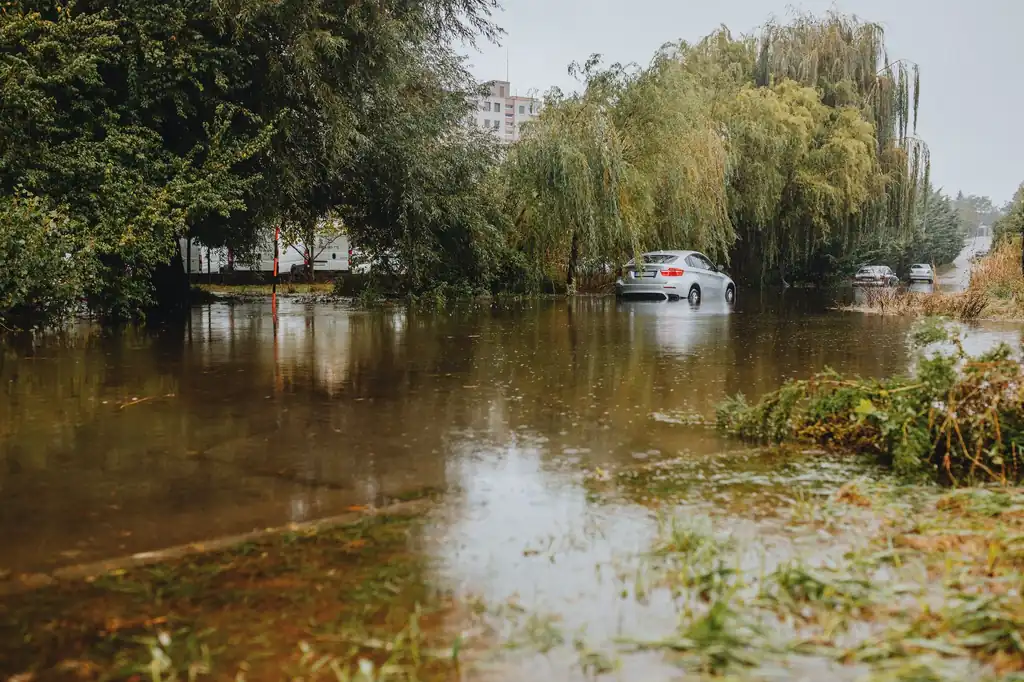
Our technicians hold IICRC WRT (Water Restoration Technician) and IICRC ASD (Applied Structural Drying) certifications, and we follow the ANSI/IICRC S500 Standard on every job. We have extracted water from flooded basements, burst pipes, sewage backups, and roof leaks across Rocky Mount and Nash County. We know how local homes are built, where water hides, and which materials dry fast versus which ones need replacement. When you need storm damage water extraction in Rocky Mount NC near me, you get a crew that has seen your exact situation before.
A summer storm pushed water through our roof and into the living room ceiling. Water Recovery Network arrived within two hours, extracted the water, and set up drying equipment. They checked moisture every day and showed me the readings. In four days everything was dry. They also helped document it for our insurance claim.
Our crawl space flooded after three days of rain. The crew pumped it out, dried the space, and recommended a moisture barrier. They were professional and explained everything. I appreciated that they did not try to sell me services I did not need. The crawl space has stayed dry since.
A burst pipe during a storm flooded two units in my building. Water Recovery Network extracted the water, dried both units, and worked with my insurance adjuster. They provided Xactimate reports and photos. The tenants were back in their units within a week. I will call them again for any water emergency.
Most residential storm water extraction jobs in Rocky Mount run $500 to $2,500 depending on how much water, which materials are wet, and how long drying takes. A single room with carpet and pad might be on the lower end, while a flooded basement with crawl space water pushes higher. We give you a clear range before we start, and we document everything for your insurance claim.
Yes, most homeowner policies cover sudden storm water damage, including extraction and drying. The key is documenting the source and the extent of moisture before it spreads. We photograph readings, log equipment, and prepare Xactimate-compatible reports your adjuster can use. Call your insurer to open a claim, and we will work alongside them to support it.
Extraction usually takes two to four hours for the bulk of standing water. Full drying with air movers and dehumidifiers typically runs three to five days, sometimes longer for crawl spaces or dense materials like hardwood. We check moisture daily and do not remove equipment until readings hit dry standard for your building materials.
Water Recovery Network provides 24/7 emergency storm damage water removal across Rocky Mount and Nash County. We answer calls around the clock and dispatch crews with truck-mounted extractors and portable units. Whether you are in Downtown Rocky Mount, West Haven, or South Rocky Mount, we can be on site the same day to stop the water and start drying.
Not seeing your question? Our local team can help you understand urgency, scheduling and what to expect.
Ask the local team
When storm water is still rising, emergency water extraction removes standing water fast before it spreads to more rooms. We use truck-mounted units and submersible pumps to pull water from basements, crawl spaces, and living areas, then set drying equipment to stop mold growth.
View serviceStorm damage often leads to full water damage restoration, including extraction, drying, and repairs. Our 24/7 team handles the entire process so you are not coordinating multiple contractors. We document everything for insurance and keep you updated until your home is dry and repaired.
View service
Basements flood fast during Rocky Mount storms, especially in older homes near Mill Village and Downtown. We pump out standing water, extract from concrete and subfloors, and set dehumidifiers to dry the space. We also check for sump pump failure and recommend fixes to prevent repeat flooding.
View serviceIf a storm leaves water in your home, emergency water removal gets it out before it causes mold or structural damage. We respond 24/7 with portable and truck-mounted extractors, then dry the area to IICRC standards. Call us as soon as you see water to minimize damage.
View service
Our line is answered 24/7, and we dispatch crews day and night across Rocky Mount and Nash County. Call and we will ask a few questions about the source and the rooms affected, then give you a real arrival window. If you are not sure whether you need extraction, call anyway - we will tell you straight.