Focused arrival windows
Useful updates and clear arrival timing.
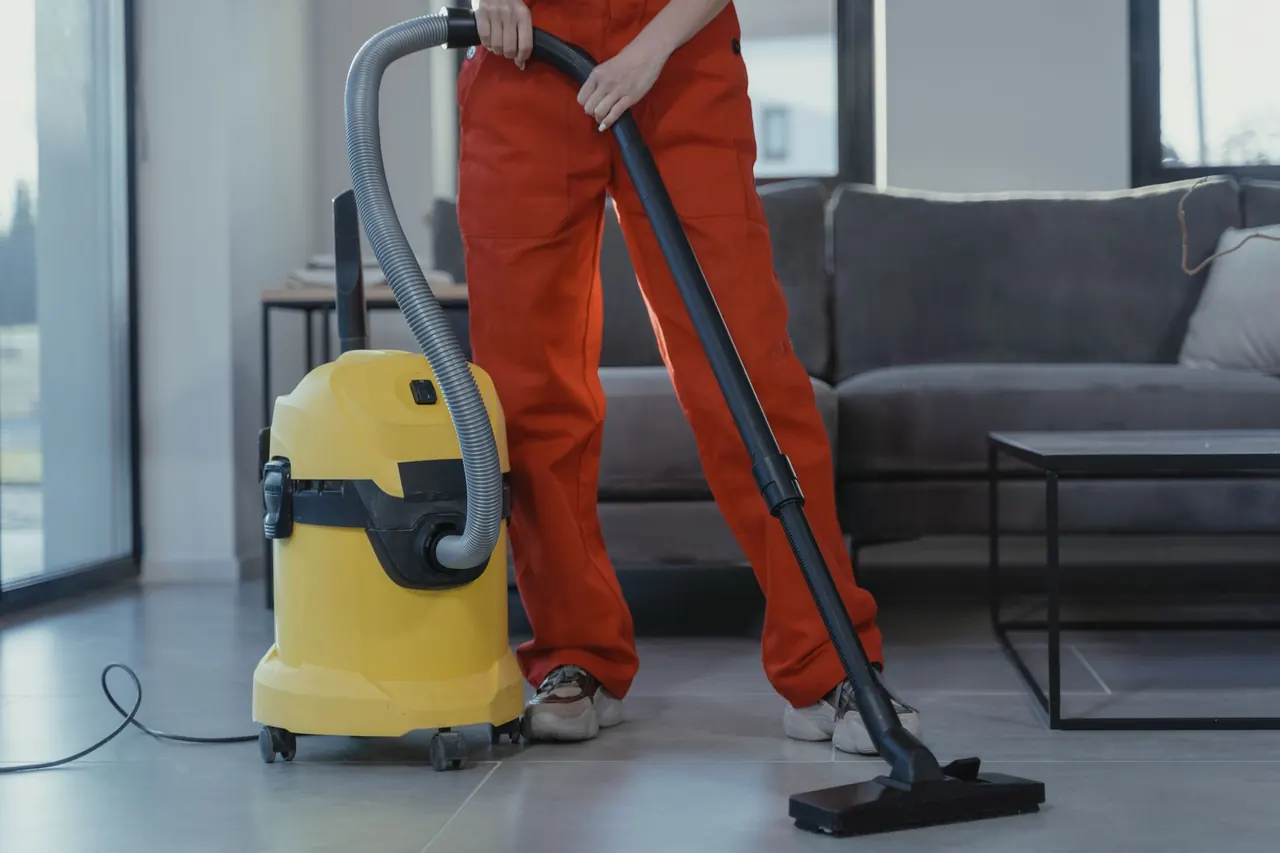
Subfloor Water Extraction Rocky Mount NC is what we do when water hides beneath your flooring and starts to rot the structure. Our crew handles subfloor water removal Rocky Mount homeowners call about after pipe bursts, toilet overflows, and storm flooding. We extract, dry, and verify with moisture meters so your floors and joists come back to normal. Call 24/7 and we roll out.
Useful updates and clear arrival timing.
Review the approach and price before deciding.
Equipped vehicles and respectful cleanup.
Neighbors serving neighbors with follow-through.
Every subfloor water extraction job includes inspection, extraction, drying setup, and final moisture verification. We tell you upfront what is covered and what is a separate repair, like replacing swollen subfloor panels or rebuilding a damaged wall.
We use a moisture meter, thermal imaging camera, and hygrometer to find every wet pocket in the subfloor, walls, and crawl space. You get a clear map of the wet zone before we pull any water.
Our truck-mounted water extractor pulls the bulk of the water fast. For tight spaces and deep pockets, we switch to a portable water extraction unit or submersible pump to reach water the truck cannot.
After extraction, we apply antimicrobial solution to the subfloor and surrounding framing. This stops mold and bacteria from taking hold while the structure dries over the next two to four days.
We place air movers, dehumidifiers, and floor drying mats to pull moisture out of the subfloor and the room air. We check readings every 24 hours and adjust placement until the structure is dry.
We do not remove equipment until the subfloor reads dry on a moisture meter and the room humidity matches the rest of the house. You get a written report with readings and equipment logs.
We photograph moisture readings, log equipment hours, and provide a report formatted for insurance adjusters. That keeps your claim moving and shows exactly what was wet and what we did.
Share what is happening and receive a clear next step from the local team.
Subfloor Water Extraction Rocky Mount NC means pulling standing and absorbed water out of the plywood, OSB, or plank layer that sits under your carpet, hardwood, tile, or vinyl. Water gets there through pipe burst failures, toilet overflow, appliance leak, roof leak, or storm damage flooding, and it does not evaporate on its own. We use a truck-mounted water extractor and portable water extraction unit to pull the bulk, then a submersible pump for deep pockets. A moisture meter and thermal imaging camera tell us where the wet zone ends before we set drying equipment.
Rocky Mount sits in Nash County, where summer humidity runs high and fall storms push water through crawl spaces and slab edges. Homes in Riverside, Englewood, and Mill Village often have older subfloor assemblies that soak up water like a sponge. If you search for subfloor water removal Rocky Mount NC after a flooded basement or sump pump failure, waiting even 24 hours can mean warped boards and a much bigger repair bill. We respond fast and document everything for your insurance claim.
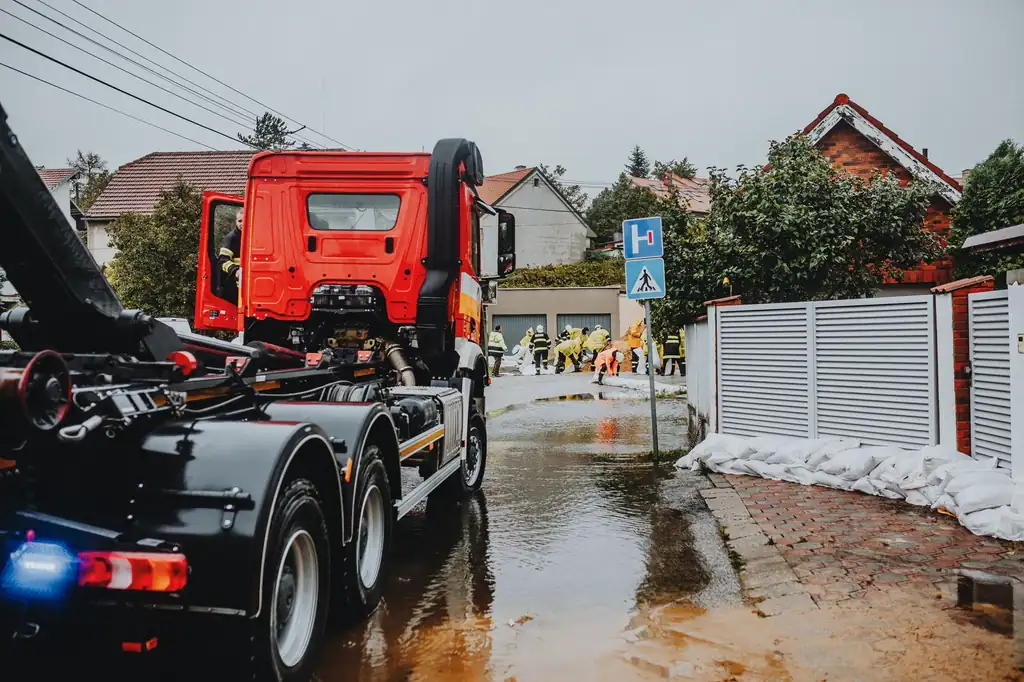
You call, we ask what happened, and we dispatch a crew. For emergency subfloor water extraction near me Rocky Mount calls, we aim to be on site within 60 to 90 minutes. We bring the truck-mounted extractor and drying gear on the first trip so we are not making two runs.
We walk the space with a moisture meter, thermal imaging camera, and hygrometer to find every wet pocket. We check the crawl space, wall cavities, and adjacent rooms. You get a clear picture of the wet zone before we start pulling water.
We start with the truck-mounted water extractor for volume, then switch to a portable unit and submersible pump for tight areas. A weighted extraction tool presses water out of carpet and pad. Most residential jobs take two to four hours of active extraction.
We set air movers, dehumidifiers, and floor drying mats to pull moisture out of the subfloor and the air. We apply antimicrobial solution where needed. Drying usually runs two to four days, and we check readings every 24 hours.
We do not pack up until the subfloor reads dry on a moisture meter and the room humidity matches the rest of the house. We photograph readings, log equipment hours, and give you a report you can hand to your insurance adjuster.
Pulls large volumes of water from carpet, pad, and subfloor fast. It is the first tool we bring in for any subfloor water extraction job.
Reaches tight spaces like closets, crawl spaces, and under cabinets where the truck-mounted unit cannot go.
Removes deep standing water from basements and crawl spaces before we extract from the subfloor.
Shows us where water has spread behind walls and under floors without cutting into the structure.
Measures moisture content in the subfloor and humidity in the air. We use these to decide when drying is complete.
Pulls moisture out of hardwood and subfloor assemblies from the surface down, without damaging the finish.
Move air across wet surfaces and pull humidity out of the room. We use Dri-Eaz, Phoenix Restoration Equipment, and B-Air units.
The industry standard for water damage restoration. It guides how we inspect, extract, dry, and verify moisture levels on every subfloor job.
We take readings at multiple points across the subfloor, walls, and crawl space to build a map of the wet zone. This tells us where to place equipment and when to stop drying.
For carpet and pad, we use a weighted extraction tool to press water out of the fibers and into the extractor. It removes more water than a standard pass.
After extraction, we apply antimicrobial solution to the subfloor and framing. This stops mold and bacteria from growing while the structure dries.
We shut off the water, extract from the subfloor with a truck-mounted extractor, and set drying equipment. We check the wall cavity and adjacent rooms for hidden moisture. The subfloor dries in two to four days, and you avoid a full floor replacement.
We pump the basement, extract water from the subfloor and joists, and remove soaked insulation. Air movers and dehumidifiers dry the structure. The basement is dry and the subfloor is stable, with documentation for your insurance claim.
We extract the water, apply antimicrobial solution, and dry the subfloor with floor drying mats and dehumidifiers. We check moisture daily. No mold, no odor, and the tenant stays in the unit while it dries.
We extract in the attic and the room below, trace the leak path, and dry every layer. We document the damage for your claim. The subfloor and ceiling dry without mold, and you have a clear record for repairs.
Rocky Mount's climate and building stock shape how we handle subfloor water extraction. Summers are humid, and fall storms push water into crawl spaces and under doors. Many homes in Riverside, Mill Village, and Belvedere have older crawl space construction with plywood subfloors that soak up water fast. Slab-on-grade homes in newer subdivisions dry differently than pier-and-beam houses, and we adjust equipment placement accordingly. We follow the ANSI/IICRC S500 Standard and North Carolina building codes when we assess whether subfloor panels can be saved. If you need subfloor water removal Rocky Mount NC after a storm or a pipe burst, we bring the right equipment for your home's construction. We also document moisture readings for Nash County insurance adjusters, which keeps claims moving. Whether it is a finished basement in Country Club or a crawl space in Kingsboro, we dry to a verified number, not a guess.
Older homes near the river are prone to crawl space water intrusion after heavy rain. We check the subfloor and joists from below before we set drying equipment.
Many homes here have original hardwood over plywood subfloor. We use floor drying mats to protect the finish while pulling moisture out.
Finished basements are common, and sump pump failures send water into the subfloor above. We pump, extract, and dry the whole assembly.
A mix of rentals and owner-occupied homes means we often work with property managers. We document everything for the owner and the tenant.
Humid air slows drying and can re-wet a subfloor if dehumidifiers are undersized. We size equipment to the room and check readings daily.
Storms push water under doors and into crawl spaces. We extract fast and check the entire perimeter, not just the visible wet area.
Plywood subfloors in older homes absorb water quickly and can delaminate. We inspect from below and dry the joists along with the subfloor.
Water on a slab has nowhere to drain, so it wicks into the subfloor above. We use dehumidifiers and air movers to pull moisture out of the slab and the floor.
A supply line burst behind the kitchen cabinets in an Englewood home and ran for three hours before the homeowner noticed. Water had spread under the hardwood and into the subfloor across 300 square feet.
We extracted the subfloor water, set floor drying mats and dehumidifiers, and dried the assembly in three days. Moisture readings dropped from 28 percent to 11 percent. Only two hardwood boards needed replacement.
Maintenance: Keep an eye on supply lines under sinks and replace braided hoses every five years. A moisture meter check after any leak catches hidden water early.
A sump pump failed during a fall storm and flooded a finished basement in South Rocky Mount. Water soaked the carpet, pad, and subfloor across 500 square feet, and the humidity in the room hit 85 percent.
We pumped the standing water, extracted from the carpet and subfloor, and removed the soaked pad. After four days of drying, the subfloor read 12 percent moisture content and the room humidity matched the rest of the house.
Maintenance: Test your sump pump every spring by pouring water into the pit. A battery backup keeps it running during the next power outage.
A toilet overflow ran into the bathroom and hallway of a Five Points rental, soaking the tile and the subfloor underneath. The tenant called the property manager, who called us within the hour.
We extracted the water, applied antimicrobial solution, and dried the subfloor with air movers and a dehumidifier. Moisture readings returned to normal in two days, and the tenant stayed in the unit.
Maintenance: Replace the toilet flapper every two to three years and check the supply line for cracks. A quick look after each flush catches a slow leak before it spreads.
Water under your floor does not fix itself. These are the problems we see most often when homeowners call for emergency water removal from subfloor Rocky Mount jobs.
Boards cup, buckle, and separate within days, and the subfloor underneath starts to rot if the moisture is not pulled out. We extract from the seams with a weighted extraction tool, then set floor drying mats and dehumidifiers. Most hardwood can be saved if we get to it within 24 to 48 hours.
Insulation stays wet, joists soften, and the floor above feels spongy. Mold can spread through the crawl space and into the living area. We pump and extract the crawl space, remove soaked insulation, and dry the joists and subfloor with air movers and dehumidifiers. We also identify the entry point so it does not repeat.
Category 3 water carries bacteria and pathogens. If it soaks the subfloor, the material often has to be removed and the cavity treated. We extract, remove affected subfloor sections, apply antimicrobial solution, and dry the framing. We follow ANSI/IICRC S500 guidance for contaminated water.
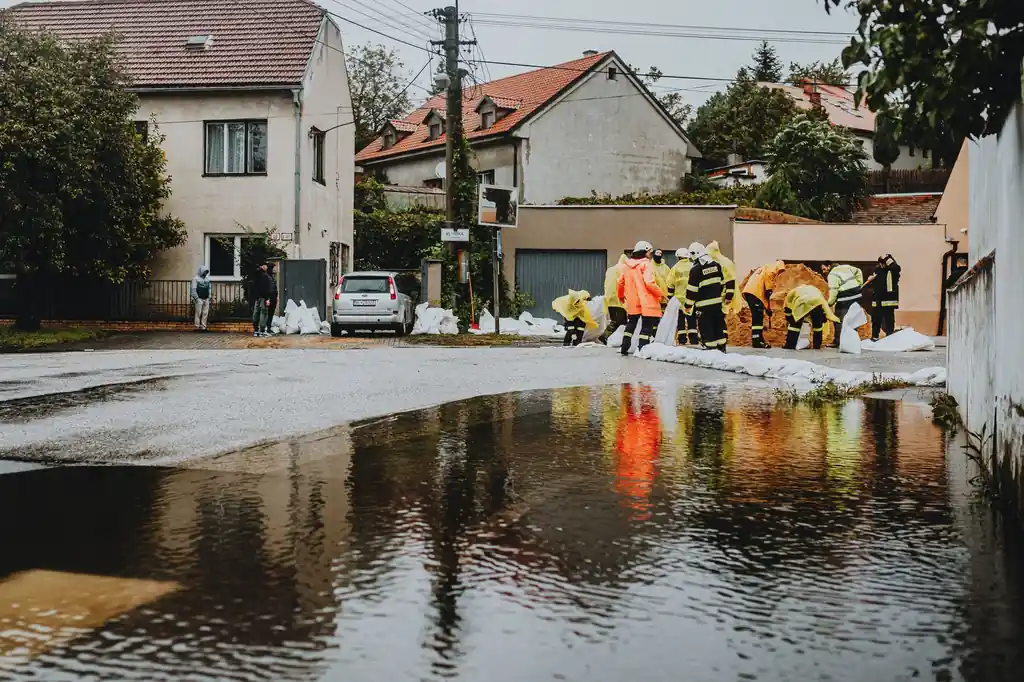
Water spreads farther than it looks, and the subfloor stays wet long after the surface dries. Warping and mold follow within a week. We extract the standing water, map the wet zone with a thermal imaging camera, and dry the subfloor and walls. We document everything for your storm damage claim.
$450 - $1,800 depending on scope
Most residential subfloor water extraction jobs in Rocky Mount run $450 to $1,800, with typical 2026 pricing around $900 for a single room plus drying. The final number depends on how much water is trapped, how far it spread, and how many days of drying you need. We give you a written range before we start, and we bill for the equipment we actually use. If you need subfloor water extraction services North Carolina homeowners rely on, we keep the pricing honest and the documentation clear.
Fast extraction protects your subfloor, joists, and walls from rot and mold. Spending a few hundred dollars now avoids a five-figure floor replacement later. We bill for what we use and document every reading.
A small toilet overflow in one bathroom costs less than a pipe burst that ran under 500 square feet of flooring. More water means more extraction time and more drying equipment.
Plywood and OSB absorb water differently. OSB swells faster and may need replacement, which adds cost. Hardwood over plywood usually dries without removal.
Most jobs dry in two to four days. If the subfloor is thick, the crawl space is wet, or the humidity is high, drying can run longer and add equipment days.
Sewage backup and storm water are contaminated, so we remove affected materials and apply antimicrobial solution. Clean water from a supply line costs less to remediate.
Crawl spaces, finished basements, and rooms packed with furniture slow us down. We move what we can and work around what we cannot, which affects labor time.
Most homeowner policies cover sudden water damage from a pipe burst or appliance leak. We document readings and equipment hours so your adjuster can process the claim.
Our technicians hold IICRC WRT (Water Restoration Technician) and IICRC ASD (Applied Structural Drying) certifications, and we follow the ANSI/IICRC S500 Standard on every job. We have pulled water from subfloors in Downtown Rocky Mount, West Haven, Northgreen, and South Rocky Mount, and we know how these homes are built. Older crawl space construction, slab-on-grade additions, and finished basements all behave differently when water gets in. We also carry OSHA 10 and EPA Lead-Safe Certification, which matters in pre-1978 homes. When we say we have seen it, we mean it.
A pipe burst under our kitchen sink and water ran under the hardwood for hours before we noticed. Water Recovery Network pulled the subfloor water the same afternoon and set drying equipment. Three days later the moisture meter read dry and we only had to replace two boards. They saved us thousands.
Our sump pump failed during a storm and the basement flooded. They pumped it out, then extracted water from the subfloor and joists. The crew was here within 90 minutes of my call. They documented everything for our insurance and the claim went through without a fight.
A toilet overflow in one of my rentals soaked the subfloor under the tile. Water Recovery Network extracted, dried, and treated the area with antimicrobial solution. No mold, no odor, and the tenant stayed in the unit. I have used them three times since.
Most residential subfloor water extraction jobs in Rocky Mount run $450 to $1,800, with typical 2026 pricing landing around $900 for a single room with drying equipment. Cost depends on how much water is trapped, how far it spread, and how many days of drying you need. We give you a written range before we start, and we bill for equipment actually used.
Yes, in most cases. Plywood and OSB subfloor can be dried and saved if water is extracted within 24 to 48 hours and the cavity is dried below 16 percent moisture content. If the subfloor has swelled, delaminated, or shows mold growth across a large area, we recommend replacing the affected sections. We check with a moisture meter and give you an honest call.
Active extraction usually takes two to four hours for a single room. Full drying runs two to four days depending on the water volume, the subfloor material, and the humidity. We check moisture readings every 24 hours and only remove equipment when the subfloor and the room air are both dry.
We do. Water Recovery Network runs 24/7 out of Rocky Mount and covers Nash County, including the 27801, 27803, and 27804 ZIP codes. Call +1 (252) 385-6067 and we will dispatch a crew, usually within 60 to 90 minutes. We bring extraction and drying equipment on the first trip.
Not seeing your question? Our local team can help you understand urgency, scheduling and what to expect.
Ask the local team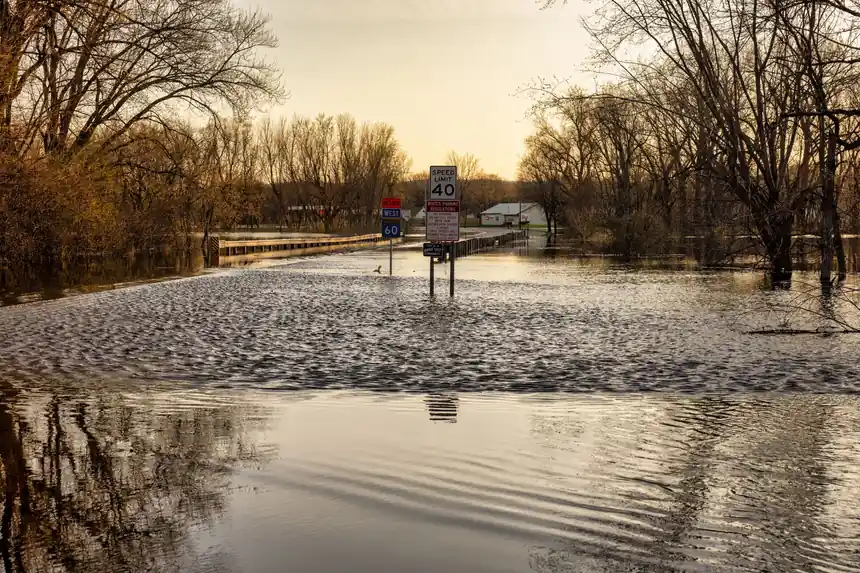
When water is still moving, emergency extraction stops the spread before it reaches the subfloor. We pull standing water fast, then check the subfloor and wall cavities for hidden moisture.
View service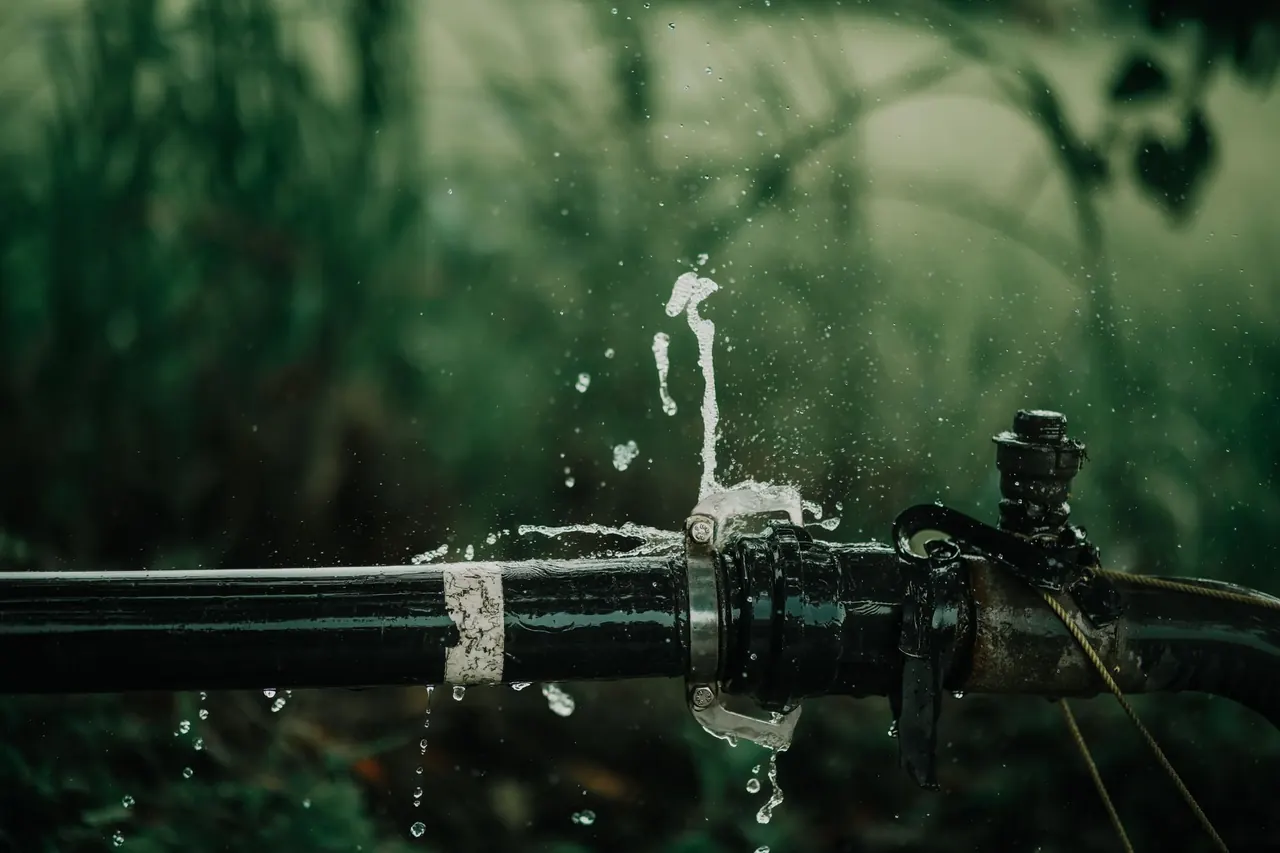
Subfloor water extraction is often the first step in a full restoration. We handle extraction, drying, and repairs under one crew, so you are not coordinating three different contractors.
View service
A flooded basement usually means water has already reached the subfloor above. We pump the basement, then extract and dry the subfloor and joists before mold gets a foothold.
View service
For pipe bursts and storm flooding, emergency water removal gets the bulk of the water out fast. That protects the subfloor from prolonged saturation and lowers your repair cost.
View serviceOur line is answered 24/7, and we dispatch crews day and night across Rocky Mount and Nash County. Call and we will ask a few questions about the source and the rooms affected, then give you a real arrival window. If you are not sure whether you need extraction, call anyway - we will tell you straight.