Focused arrival windows
Useful updates and clear arrival timing.
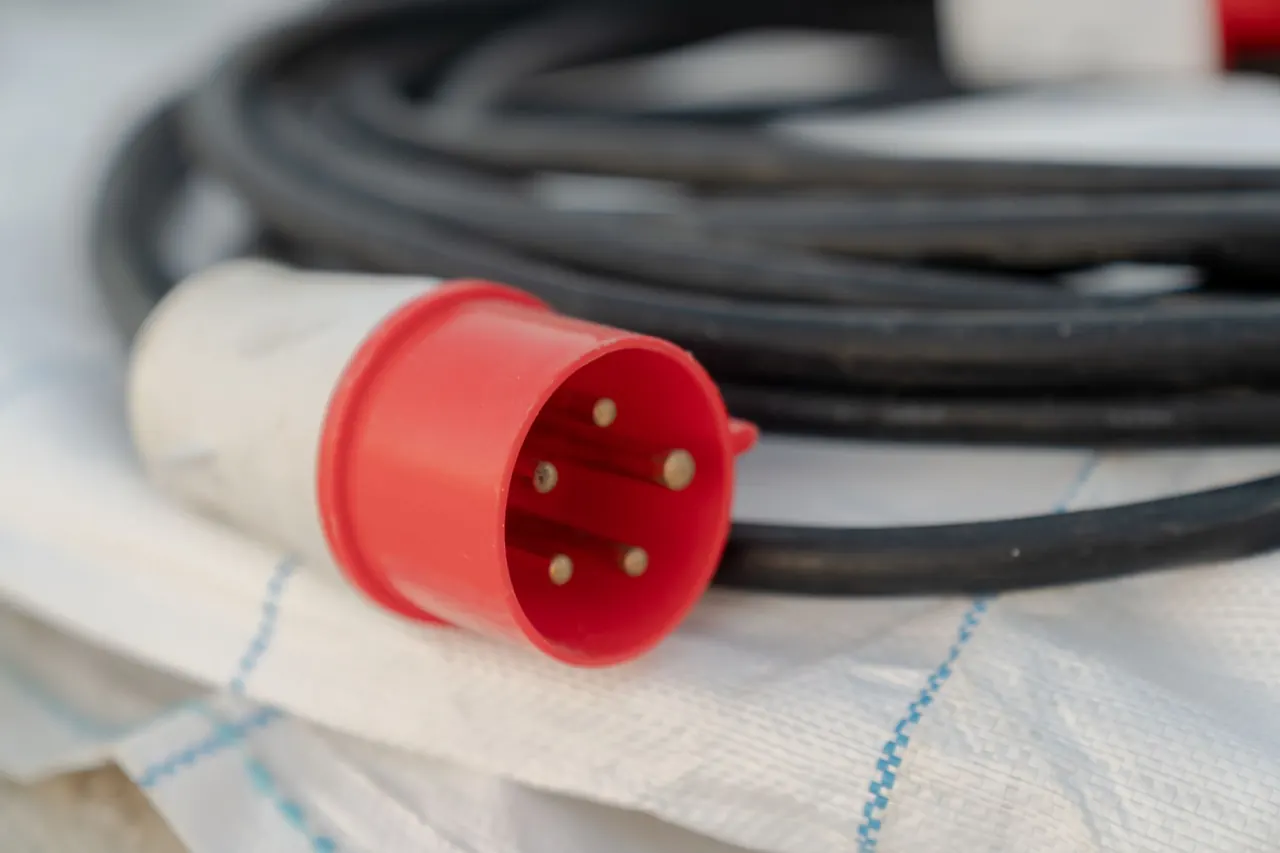
Toilet Overflow Water Extraction Rocky Mount NC is what we do when a clogged bowl turns your bathroom into a wading pool. We pull the standing water, treat the contamination, and dry the subfloor before it warps. Serving Rocky Mount, North Carolina and all of Nash County, our crew handles everything from a single flooded bathroom to a two-story sewage backup. Call +1 252-385-6067 and we roll.
Useful updates and clear arrival timing.
Review the approach and price before deciding.
Equipped vehicles and respectful cleanup.
Neighbors serving neighbors with follow-through.
Every toilet overflow water extraction job includes the core steps below. If the loss is larger than expected, we tell you before we add anything. You approve the work, and we get it done.
We answer 24/7, ask the right questions on the phone, and dispatch a crew with extraction equipment. On arrival we shut off the water, inspect with a moisture meter and thermal imaging camera, and show you what we found before we start.
A truck-mounted water extractor and wet/dry vacuum remove standing water from tile, grout, carpet, and concrete. For deeper pockets we use a submersible pump. We keep going until the extractor pulls air, not water.
Toilet overflow water is category 3. We remove contaminated absorbent pads and porous materials, then apply EPA-registered antimicrobial solution to every affected surface. Containment sheeting keeps the contamination from spreading to clean rooms.
We place air movers and dehumidifiers based on moisture meter readings. A typical Rocky Mount bathroom dries in 3 to 4 days. We check readings daily with a hygrometer and do not remove equipment until the room matches a dry standard.
We photograph the loss, log moisture readings, and prepare an Xactimate estimate your adjuster can process. You get a copy of everything. That documentation is often the difference between a smooth claim and a denied one.
Share what is happening and receive a clear next step from the local team.
Toilet Overflow Water Extraction Rocky Mount NC is the process of removing standing water, sewage, and contaminated moisture after a toilet backs up, then drying the structure so mold never gets a foothold. A wax ring fails, a supply line bursts, or a main-line clog sends water across the floor. We use a truck-mounted water extractor and submersible pumps to pull hundreds of gallons fast, then moisture meters and thermal imaging cameras to find what soaked into the subfloor, baseboards, and wall cavities.
Rocky Mount homes built before 1980 often have cast-iron drains and original subfloor boards that soak up water like a sponge. One overflow in a Mill Village bungalow can wick into three rooms before you notice. That is why we treat every toilet overflow water removal Rocky Mount call as a contamination job, not a mop-up. Sewage carries bacteria, so we apply antimicrobial solution and follow the ANSI/IICRC S500 Standard for category 3 water. If you need toilet overflow water extraction in Rocky Mount NC near me, we are already in the truck.

You call +1 252-385-6067 and describe the overflow. We ask about the water source, how far it spread, and whether the toilet is still running. Within minutes we dispatch a crew with extraction hoses, a wet/dry vacuum, and a portable water extraction unit. You get an arrival window, not a vague promise.
We shut off the supply valve, confirm the clog is cleared or isolated, and walk the affected area with a moisture meter and thermal imaging camera. This 15-minute inspection tells us whether water reached the subfloor, the wall cavity, or the ceiling below. We show you the readings before we touch a hose.
A truck-mounted water extractor pulls standing water from tile, grout, and carpet. For deeper pockets we use a submersible pump or weighted extraction tool. A typical bathroom holds 30 to 60 gallons after an overflow. We keep extracting until the wet/dry vacuum pulls nothing but air.
Sewage-contaminated surfaces get sprayed with antimicrobial solution and wiped down. Porous materials like baseboard, drywall, and absorbent pads that cannot be saved are bagged and hauled out. We set plastic sheeting to contain the work zone so contamination does not travel to clean rooms.
We place air movers and a dehumidifier, then check readings daily with a moisture meter and hygrometer. Most Rocky Mount bathrooms dry in 3 to 4 days. When the readings match a dry standard room, we remove equipment and give you a final moisture report for your records.
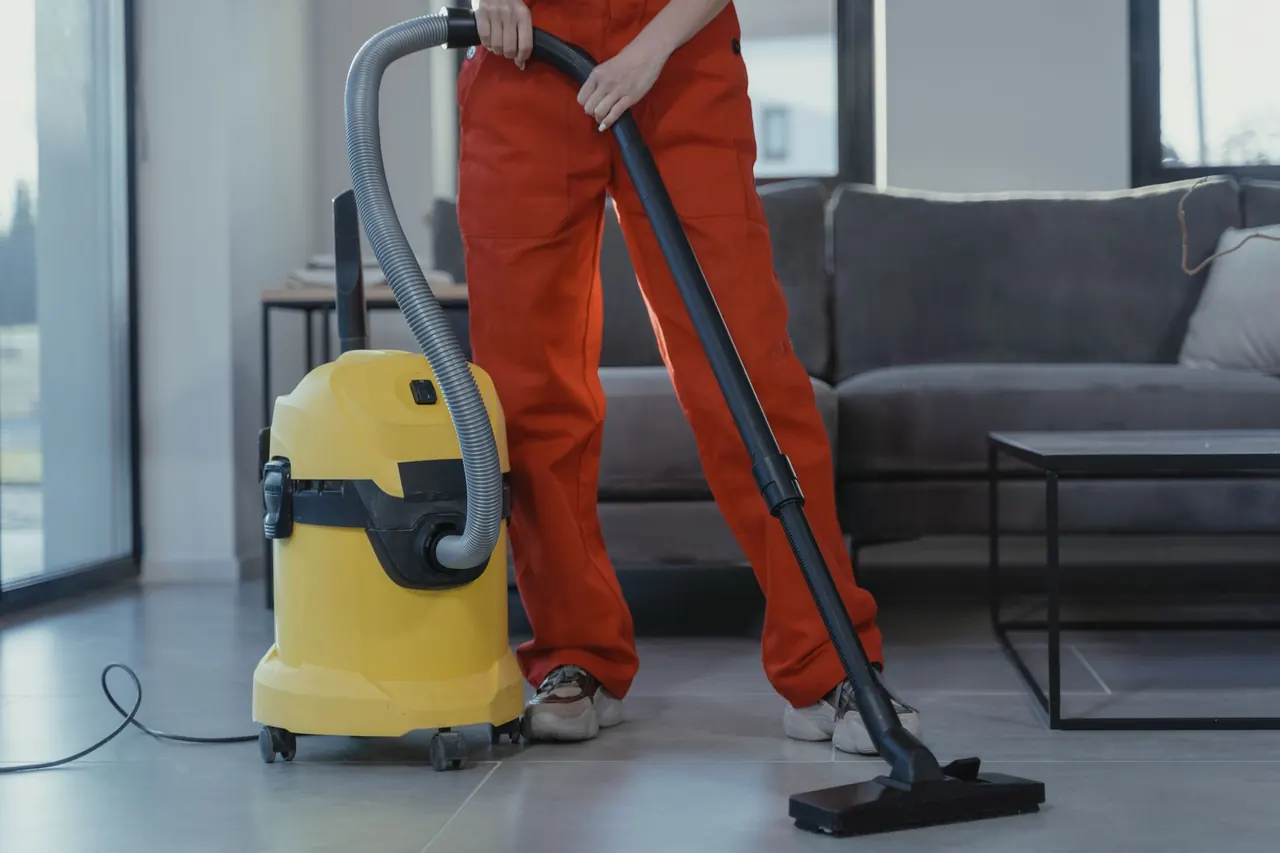
Pulls hundreds of gallons of standing water from carpet, tile, and concrete faster than any portable unit. It is the first piece of equipment off the truck on most Rocky Mount jobs.
Removes deep standing water from bathrooms, hallways, and crawl spaces before the extractor can reach it. Essential when a toilet overflow has been running for hours.
Measures moisture content in drywall, subfloor, and framing, and tracks relative humidity in the air. We log readings daily to confirm the structure is drying on schedule.
Finds hidden water behind walls and under floors by reading temperature differences. It tells us how far a toilet overflow actually traveled, not just where the floor looks wet.
We use Dri-Eaz, Phoenix, and B-Air units to move air across wet surfaces and pull moisture out of the room. A typical Rocky Mount bathroom needs 3 to 4 days of drying.
Presses water out of carpet and pad that a standard wand leaves behind. It is the difference between carpet that dries and carpet that stays damp and smells.
Pulls moisture out of hardwood and subfloor through a sealed mat and vacuum. Used on Mill Village and older Rocky Mount homes where original floors are worth saving.
The industry standard for water damage restoration. It defines water categories, drying goals, and documentation. We follow it on every toilet overflow job so the work is consistent and defensible for insurance.
Toilet overflow water is category 3 black water. We wear PPE, set containment, remove contaminated porous materials, and apply EPA-registered antimicrobial solution. This protocol is what makes the room safe again.
We check moisture meter and hygrometer readings every day of the drying cycle. If a room is not drying on schedule, we adjust equipment placement or add units. We do not guess and we do not pull equipment early.
We build the loss estimate in Xactimate, the same platform most insurance adjusters use. Photos, moisture logs, and line items are formatted so your claim moves through review without back-and-forth.
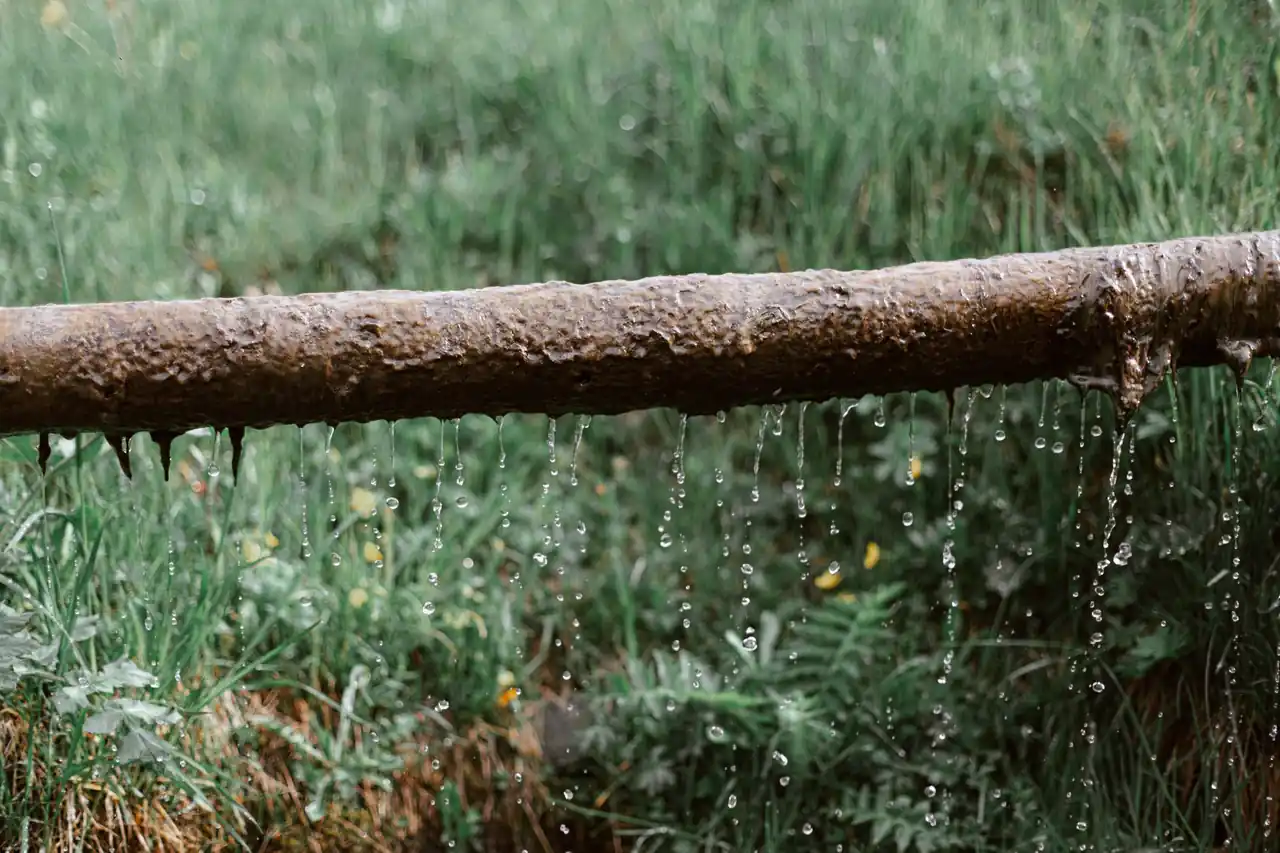
You wake up to standing water in the bathroom and hallway. Call us immediately. We dispatch a crew, extract the standing water, treat the contamination, and set drying equipment before the morning rush. Your floors are dry in 3 to 4 days and the subfloor never gets a chance to warp or grow mold.
We coordinate with the tenant, extract water from carpet and tile, remove contaminated pad, and document everything for the landlord and insurance. We handle the whole job without the owner needing to be on site. The unit is rentable again in about four days, with a moisture report and photo log for the claim.
We extract from the bathroom, open the ceiling cavity, and dry the framing and drywall with air movers and dehumidifiers. A thermal imaging camera confirms the wet zone is fully dry before we close up. The ceiling is saved, the stain does not return, and the upstairs bathroom floor is dry and stable.
We treat the loss as category 3, extract from the hardwood surface, and use drying mats to pull moisture from the boards. Contaminated baseboard and any unsalvageable flooring are removed and documented. The hardwood dries without cupping, and the contaminated materials are gone before mold can take hold.
Rocky Mount sits in Nash County, and its housing stock tells the story. Downtown and Mill Village have century-old homes with cast-iron drains and original subfloor boards that soak up water fast. Newer builds in Stoneybrook and Cobblestone use PVC and plywood subfloor, which dries quicker but still needs extraction within the first day. Summer humidity here runs high, so we run dehumidifiers longer than crews in drier climates would. Winter brings its own problem: a cold snap can crack a supply line behind a toilet, and that burst sends more water than the overflow itself. We handle both. If you search for emergency water removal from toilet overflow Rocky Mount, we are the local crew that knows which neighborhoods flood first and which drains back up during a storm. We serve ZIP codes 27803, 27804, and 27801 and follow North Carolina code requirements for sewage-contaminated material disposal.
Older bungalows with original hardwood and cast-iron drains. Toilet overflows here often wick into subfloor boards that need drying mats, not just air movers.
Newer construction with PVC drains and plywood subfloor. Water spreads fast across open floor plans, so extraction needs to start within hours.
Mixed residential and commercial buildings. A toilet overflow in a second-floor apartment can reach the business below, so we check ceilings with a thermal imaging camera.
Rental-heavy neighborhood. We coordinate with tenants and landlords, document everything for the property owner, and get units dry and rentable fast.
Wet drywall and subfloor dry slower, so we run dehumidifiers longer and check hygrometer readings daily. Skipping that step in a Rocky Mount summer is how mold starts.
A frozen line behind a toilet can burst and send water across the floor for hours. We treat it like any other sudden water loss: shut off, extract, dry, document.
Cast iron scales and clogs, which is a common cause of toilet backups in Mill Village and Downtown. When the overflow is sewage, we follow category 3 protocol.
Heavy rain can overwhelm Rocky Mount sewer lines and push water back through the lowest toilet in the house. We extract, treat, and dry the same way we handle any sewage backup.
A toilet clogged at 1 a.m. and ran until morning. Standing water covered the bathroom tile and soaked the hallway carpet. The subfloor read 28 percent moisture on our meter, well above the dry standard.
We extracted 45 gallons, removed the contaminated carpet pad, treated the tile and subfloor with antimicrobial solution, and ran air movers and a dehumidifier for four days. Final subfloor reading was 11 percent, matching a dry room.
Maintenance: Keep a plunger within reach and check the supply valve behind the toilet twice a year. If the bowl refills slowly, clear the clog before it becomes an overflow.
A wax ring failed on a second-floor toilet and water dripped through the ceiling below for two hours. The ceiling showed a brown stain, and the thermal imaging camera found wet framing in a 4-foot section.
We extracted from the bathroom floor, opened the ceiling cavity, and dried the framing with air movers and a desiccant dehumidifier. Five days later the framing read dry and the ceiling was patched and painted.
Maintenance: Replace wax rings every 10 to 15 years, or any time you pull a toilet for flooring work. A $10 ring prevents a $2,000 ceiling repair.
A main-line clog pushed sewage out of a downstairs toilet and across 200 square feet of carpet and tile. The tenant called us at 7 a.m. Contaminated pad and baseboard had to come out.
We removed the pad and baseboard, extracted the carpet, treated every surface with antimicrobial solution, and dried the unit in four days. The landlord had photos and moisture logs for the insurance claim.
Maintenance: Have the main drain snaked annually in older rentals. A camera inspection every few years catches root intrusion before it becomes a backup.
A toilet overflow is never just water on the floor. It is contamination, damaged materials, and a clock ticking toward mold. Here are the problems we see most often on Rocky Mount calls.
Bacteria and viruses soak into grout, baseboard, and subfloor. A mop and household cleaner will not remove them. Left alone, the contamination spreads every time someone walks through the room. We treat the loss as category 3 water, wear PPE, remove contaminated porous materials, and apply EPA-registered antimicrobial solution to every affected surface. We set containment so the rest of your Rocky Mount home stays clean.
Subfloor boards and drywall soak up water you cannot see. Within 24 to 48 hours, mold can start growing inside the wall. By the time you smell it, the repair is much bigger. We use a moisture meter and thermal imaging camera to map the wet zone, then dry it with air movers, dehumidifiers, and floor drying mat systems. We check readings daily until the structure matches a dry standard.
Water travels through floor penetrations and shows up as a brown stain on the ceiling below. If the framing stays wet, the drywall sags and the stain comes back after paint. We extract water from the ceiling surface, open the cavity when needed, and dry the framing with air movers. Catching it within the first day often saves the ceiling from full replacement.
Carpet acts like a sponge and holds sewage water against the pad and subfloor. Even after the surface feels dry, the pad stays wet and starts to smell within a day or two. We use a weighted extraction tool and truck-mounted extractor to pull water from carpet fibers and pad. Sewage-contaminated pad gets removed and replaced, and the subfloor underneath gets dried and treated.
$250 - $3,500 depending on scope and contamination level
Typical 2026 pricing for toilet overflow water extraction in Rocky Mount runs $250 to $900 for a single-bathroom loss, and $1,200 to $3,500 when water reaches multiple rooms, the subfloor, or the ceiling below. Sewage contamination adds cost because contaminated materials must be removed and disposed of properly. We give you a written number before we start, and when the loss is covered, we bill your insurance directly. You are paying for extraction, antimicrobial treatment, drying equipment, daily monitoring, and documentation, not just a vacuum pass.
The cost of extraction and drying is a fraction of what subfloor replacement, mold remediation, or a ceiling rebuild runs. Handling it in the first 24 hours is the cheapest decision you will make on this job.
A contained bathroom overflow costs less than water that reached a hallway, closet, or the floor below. Category 3 sewage water adds cost because contaminated porous materials must be removed and replaced, not dried in place.
Tile and concrete extract quickly. Carpet and pad hold water and often need pad replacement. Hardwood needs drying mats and more days of monitoring, which adds labor and equipment time.
Most Rocky Mount bathrooms dry in 3 to 4 days. Larger losses or homes with high humidity can take 5 to 6 days. Each extra day means another day of air mover and dehumidifier operation.
Baseboard, drywall, insulation, and pad that cannot be saved must be removed, bagged, and disposed of under North Carolina rules. The more material that comes out, the higher the labor and disposal cost.
We answer 24/7 and do not charge a premium just because it is 2 a.m. Emergency dispatch is part of the service, not an upsell. You pay for the work, not the hour on the clock.
Water Recovery Network is a Rocky Mount-based water damage crew, not a franchise call center. Our technicians hold IICRC WRT (Water Restoration Technician) and IICRC ASD (Applied Structural Drying) certifications, and we follow the ANSI/IICRC S500 Standard on every job. We carry OSHA 10 training and use EPA-registered antimicrobials. Because we live and work in Nash County, we know which neighborhoods have cast-iron drains, which crawl spaces flood first, and how fast a Rocky Mount summer humidity spike can turn a wet subfloor into a mold job.
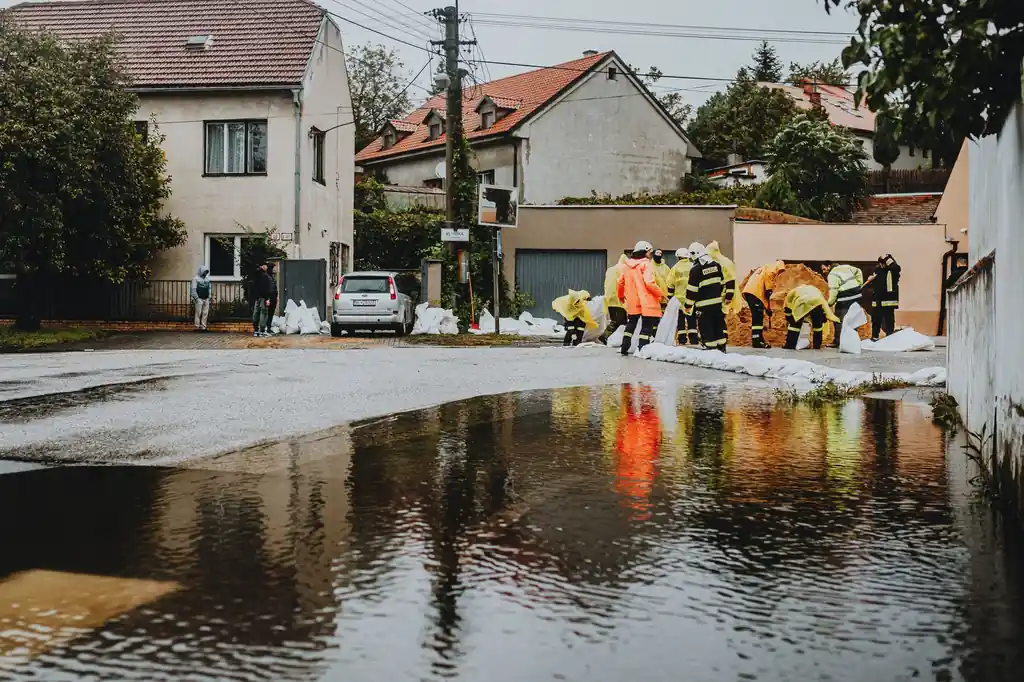
Our upstairs toilet overflowed at 11 p.m. and water was dripping through the ceiling by midnight. Water Recovery Network answered on the first ring and had a crew here in about an hour. They pulled water from the bathroom and the hallway carpet, set up air movers, and checked the ceiling below. Three days later everything read dry. The insurance paperwork they gave us was exactly what our adjuster wanted.
A tenant called about a toilet that would not stop running and flooded two rooms. I have used other crews before and they just vacuumed the surface. These guys pulled baseboard, checked the subfloor with a meter, and treated everything with antimicrobial. They showed me the moisture readings each day. Cost was fair and the unit was rentable again in four days.
The wax ring failed on our downstairs toilet and soaked the carpet and pad. I called three companies and Water Recovery Network was the only one that answered on a Sunday. They removed the contaminated pad, extracted the carpet, and dried the subfloor. No mold, no smell, no buckled floor. I would call them again without hesitation.
Most Rocky Mount toilet overflow jobs run $250 to $900 in 2026, depending on how far the water spread and whether sewage contaminated the materials. A single bathroom with tile floors usually lands at the low end. Water that reached carpet, subfloor, or the ceiling below pushes the price up. We give you the number before we start, and we bill insurance directly when the claim is covered.
Yes. Mold can begin growing within 24 to 48 hours when wet drywall, subfloor, or carpet stays damp. Rocky Mount summer humidity speeds that up. That is why we extract, treat with antimicrobial solution, and run dehumidifiers until moisture meter readings match a dry room. If we dry the structure in 3 to 4 days, mold rarely gets a chance to start.
Extraction itself takes 1 to 3 hours for a typical bathroom. Drying takes longer: 3 to 4 days with air movers and dehumidifiers running. Larger losses that reach a hallway, closet, or the floor below can take 5 to 6 days. We check moisture readings daily and tell you exactly where the drying stands.
Water Recovery Network offers 24/7 emergency toilet overflow water removal in Rocky Mount, North Carolina. We cover Downtown Rocky Mount, West Haven, Northgreen, Englewood, Belvedere, Mill Village, Five Points, and the surrounding Nash County area. Call +1 252-385-6067 any hour and we will dispatch a crew with extraction and drying equipment.
Not seeing your question? Our local team can help you understand urgency, scheduling and what to expect.
Ask the local team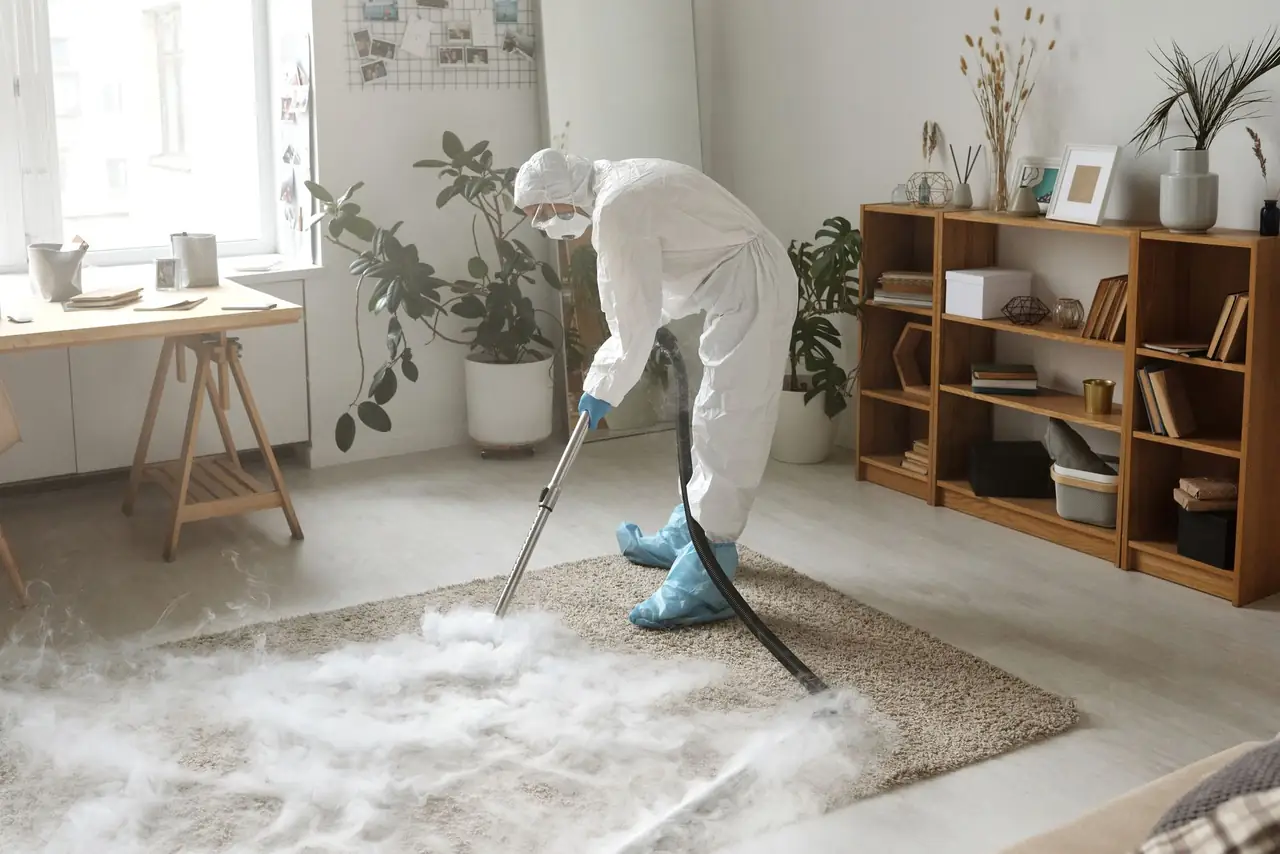
When a toilet overflow spreads beyond the bathroom, our emergency water extraction crew pulls standing water from hallways, closets, and adjacent rooms. We use the same truck-mounted extractor and moisture meters to stop the damage from traveling further into your Rocky Mount home.
View serviceA toilet overflow at midnight is still an emergency. Our 24/7 water damage restoration line dispatches Rocky Mount crews around the clock. We handle extraction, antimicrobial treatment, structural drying, and insurance documentation in one visit so you are not coordinating three different companies.
View service
If your toilet overflow is on the main floor, water can find its way into the basement through floor penetrations. We pump out flooded basements, extract from concrete and carpet, and dry the space with dehumidifiers sized for below-grade rooms common in older Rocky Mount homes.
View service
Toilet overflow is one of many sudden water events we handle. Our emergency water removal service covers burst supply lines, failed wax rings, and overflowing tanks. We shut off the source, extract the water, and start drying the same day you call.
View service
Our line is answered 24/7, and we dispatch crews day and night across Rocky Mount and Nash County. Call and we will ask a few questions about the source and the rooms affected, then give you a real arrival window. If you are not sure whether you need extraction, call anyway - we will tell you straight.